Victories for Kebaowek in nuclear waste fight

Chalk River Nuclear Plant. File Photo
The Kebaowek First Nation has marked a second win in court this week, after a judge ruled that a permit for a nuclear waste facility near the community must be reconsidered.
The ruling comes after an earlier win last month, when the Federal Court granted in part the nation’s application for judicial review, after representatives argued that the community was not adequately consulted about the site.
“This ruling is a major step forward, but for us, we don’t think the fight is over,” said Kebaowek First Nation chief Lance Haymond.
Kebaowek First Nation is a small Algonquin community around 500 KM northwest of Kahnawake. It’s home to approximately 1,000 registered members, around half of whom live off-reserve.
Back in January 2024, the Canadian Nuclear Laboratories (CNL) were given the green light to start building a radioactive waste dump at Chalk River, close to Kebaowek First Nation. The approval came from the Canadian Nuclear Safety Commission (CNSC), a federal regulatory body, which had deemed that CNL had appropriately consulted with Indigenous groups and concluded that the project “is not likely to cause significant adverse environmental effects.”

But Kebaowek First Nation and other Indigenous groups said that the dump could have devastating effects on protected species in the area, arguing that they did not give their “free, prior, and informed consent” as is deemed necessary in the United Nations Declaration on the Rights of Indigenous Peoples (UNDRIP).
In last week’s ruling, which focused on endangered species that could be harmed by the site, it was outlined that CNL should be found to have “considered all reasonable alternatives” in site selection before being given an approval by the federal minister of environment. The judge ruled that the minister wasn’t justified in concluding that the CNL’s site selection process adequately considered alternative sites, that could have lesser impacts on endangered species, including the Blanding’s Turtle and two bat species.
“It’s good to see that Canada is being held to follow its own laws that it’s passed for the protection of the species,” said Haymond.
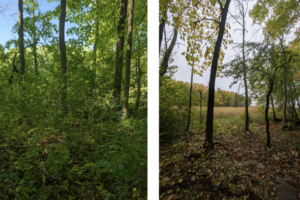
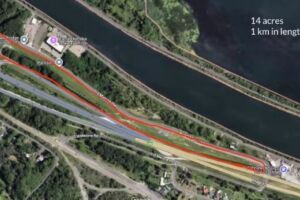
The project would result in clearing about 28 hectares of forest, which risks displacing bats and removing roosting trees, and turtles are at increased risk from construction traffic in the roads.
“This at the end of the day is a major win for the protection of species that have been labelled as endangered, and though we have legislation to protect them, that sometimes seems to go to the wayside when it comes to development projects on our territories,” Haymond said.


“The protection of these species at risk is very important to us, and to our culture.”
Last week’s ruling, along with February’s ruling concerning CNL’s failure to adequately consult with Indigenous groups, means that the process can’t proceed without community involvement. The CNL and the CNSC must now renew the consultation process with Kebaowek, and the government must reconsider the permit previously given to CNL to start work on the site.
Though it’s likely that there will be appeals against the rulings, Haymond said that it’s a step in the right direction to see the project halted, at least for now.
“It clearly is going to make it difficult for the proponent to continue to go forward, because it confirms what we’ve been saying all along - that the protection of the site and protection of species at risk is important,” he said.
“We’re committed to ensuring that this project does not proceed at Chalk River without the due process and full respect of our Indigenous rights and the environmental protections that currently exist.”
Sign up for email updates from The Eastern Door
Haymond said that he hopes the rulings will have an impact on how CNL proceeds in its interactions with Kebaowek going forward.
“We’re hoping now that the relationship will be a little more respectful. We found, at least up until the ruling, that our relationship with CNL and the proponents have been very obstructionist, and it’s been a very difficult situation to work within,” he said. “We’re hoping that this ruling will now force them to take us seriously.”
Kebaowek First Nation is now compiling submissions to be sent to Environment and Climate Change Canada as they prepare to reevaluate the permit process.