Push for border rights at Jay Treaty meeting

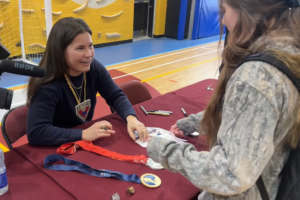
Cody Diabo speaks with attendees of the JTBA High Table at a meeting in Ottawa on Monday. Courtesy Cody Diabo
Mohawk Council of Kahnawake (MCK) grand chief Cody Diabo told federal leadership at the Jay Treaty Border Alliance (JTBA) High Table this week that he’s tired of the government “playing the Trump card,” when it comes to advocating for First Nations, arguing that the decisions of the American president can’t become a roadblock in furthering the rights of Indigenous communities.
“We can’t be scared to do anything because Donald Trump might do something,” said Diabo, co-chair of the JTBA. “Either stand up to him or don’t stand up to him. We stand up to everybody that infringes on us so we should work together on this. But they’re scared to talk anything border-related because of fear of what Donald Trump might say.”
Border rights were on the agenda at the meeting which was held in Ottawa on Monday, alongside legislative timelines, recommendations from technical tables, and structuring a path forward to ensure accountability in JTBA meetings.
JTBA co-chair Abram Benedict was also present for the meeting, alongside federal representatives Gary Anandasangaree, the minister of public safety, Rebecca Alty, the minister of Crown-Indigenous relations, and Lena Metlege Diab, the minister of immigration, refugees, and citizenship.

Also in attendance were representatives from the Canada Border Services Agency, Global Affairs Canada, Finance Canada, and the Royal Canadian Mounted Police.
Diabo said that the JTBA emphasized to federal representatives that they want progress made as quickly as possible to facilitate the ability for First Nations individuals to cross the US-Canada border. Right now, the US recognizes the right of Canadian-born First Nations people to cross their border, but Canada doesn’t formally recognize the Jay Treaty, making it more difficult for US-born First Nations individual to enter Canada.
“We understand the border issues of First Nations are not their priority, but I don’t like their whole talking point that it takes really long for legislation, because they got Bill C-5 done, they wanted it and they got it done in 30 days,” Diabo said.
“We’re trying to advocate right now, and that would be a step in the right direction for Canada. That’s what we’re hoping to accomplish from these conversations.”


He said that he’s hopeful that discussions of accountability can ensure some sort of timeline for long-term action from the government - representatives committed to meeting again in October.
“We’ll know more at that meeting if they follow through with it, but if they don’t then we’re going to have to take a different approach,” Diabo said. “We want to work collaboratively on things, but we’re frustrated on our end too.”
While he hopes October can serve as a deadline for the ministers, he said the JTBA had been optimistic that they could get commitment from the government representatives that they’d take the concerns of the Alliance to cabinet to get approval, something that didn’t happen at the meeting on Monday.
“I think they’re doing what politicians do, and they’re not promising too much,” Diabo said. “But this is something that’s been going on for many, many years, and at this point, we’re hoping for more.”
Sign up for email updates from The Eastern Door