Two-Dog Wampum Belt to be repatriated
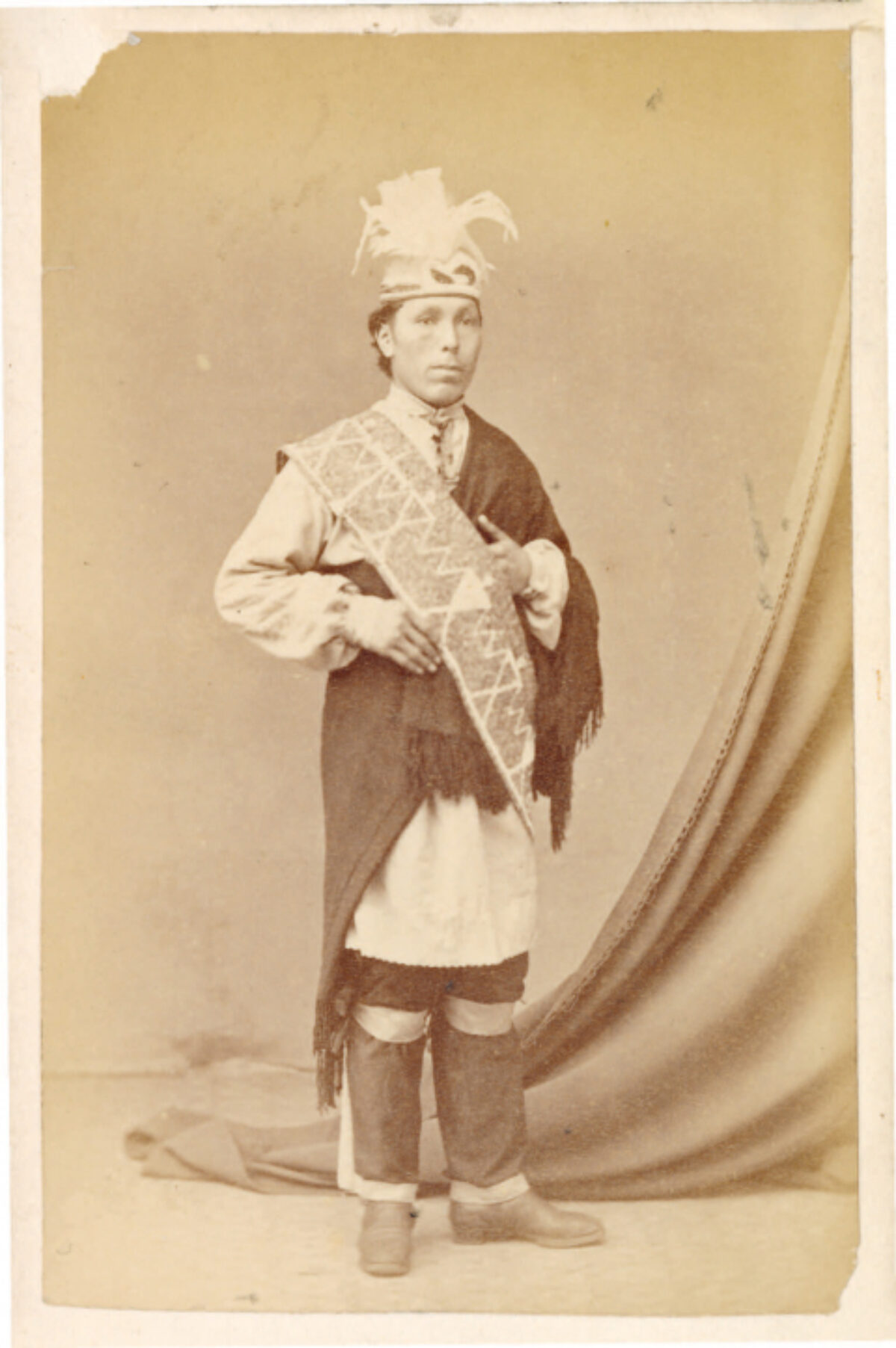
It’s among the most precious wampum belts out there, but for more than a century since one man sold it – without permission from the community to which it belongs – it has been in colonial hands. Now the Two-Dog Wampum Belt is coming home to Kanesatake.
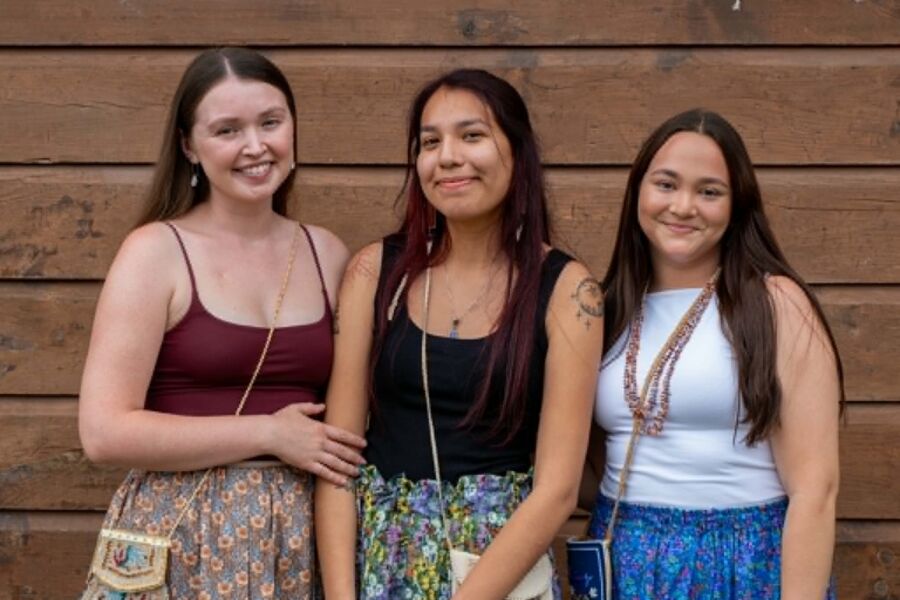
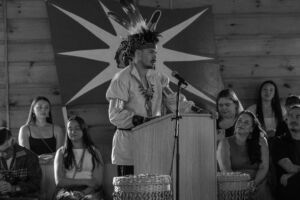
“I just want to express the happiness, the gratitude that this is happening,” said Hilda Nicholas, director of the Tsi Ronterihwanónhnha ne Kanien’kéha Language and Cultural Center, where the belt will be displayed. “It’s a historical moment, and it says a lot about our community that we all can work together and do this.”
There’s plenty of credit to go around for the repatriation of the Two-Dog Wampum Belt, which dates back to the 18th century and signifies the sanctity of Kanesatake’s traditional territory.
“We’ve been here a very long time. We weren’t just discovered in the 1600s or 1700s,” said Nicholas. “We’ve always been here.”
The language and cultural centre, Kanesatake community members, and the Mohawk Council of Kanesatake all had a hand in the feat of securing the return of the Two-Dog Wampum Belt to Kanesatake.
The belt is currently in the possession of the McCord Stewart Museum in Montreal, whose founder bought the belt in a private sale from David Swan, who was not authorized to sell it, in 1919.
The museum invited Kanesata’kehró:non to participate in a special exhibition of 40 wampum belts last year, “Wampum: Beads of Diplomacy,” which led to a request for the irreplaceable belt to be returned.
To Nicholas, it was an unforgettable experience to be in the presence of the Two-Dog Wampum Belt, one she looks forward to sharing with others when the belt is finally at home in the cultural centre.

“For me, it carries a lot of energy. Just being in front of the belt, it feels like a connection to the past, our ancestors who worked on that agreement. Ancestors who beaded the wampum belt,” said Nicholas.
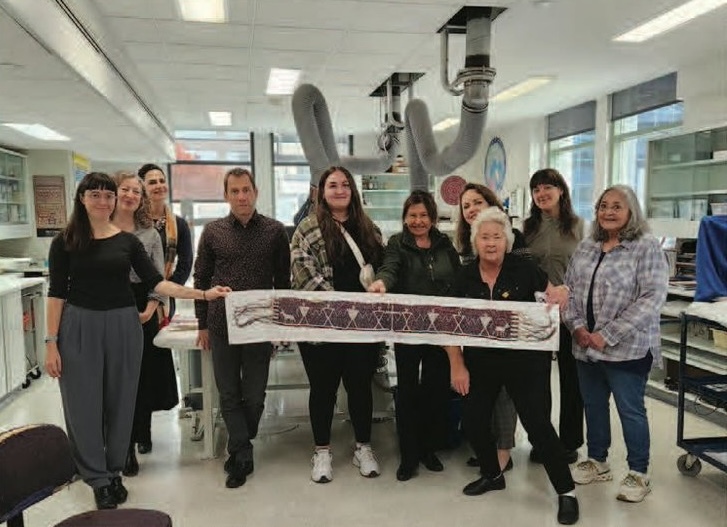
The McCord Stewart Museum is a willing participant in the repatriation, and while it still holds the wampum belt, it’s only because Kanesatake is still getting ready to receive it.
“This belt is so valuable in terms of, well, monetary value, but spiritual value, political value, historical value, cultural value, everything, that they realized their facility was not enough to actually preserve and make accessible in a secure manner the wampum,” said the curator of the McCord Museum’s Indigenous cultures collection, Jonathan Lainey.
He emphasized that this is not something the museum is imposing, and that there are no strings attached to the return.
Lainey, who is Huron-Wendat, said the decision to grant the request to return the Two-Dog Wampum Belt was an easy one in large part because the item is so well documented.




“We know what we’re doing is good because the research has been done and because the relationship has been maintained with Kanesatake,” he said. “I think it’s the perfect repatriation case.”
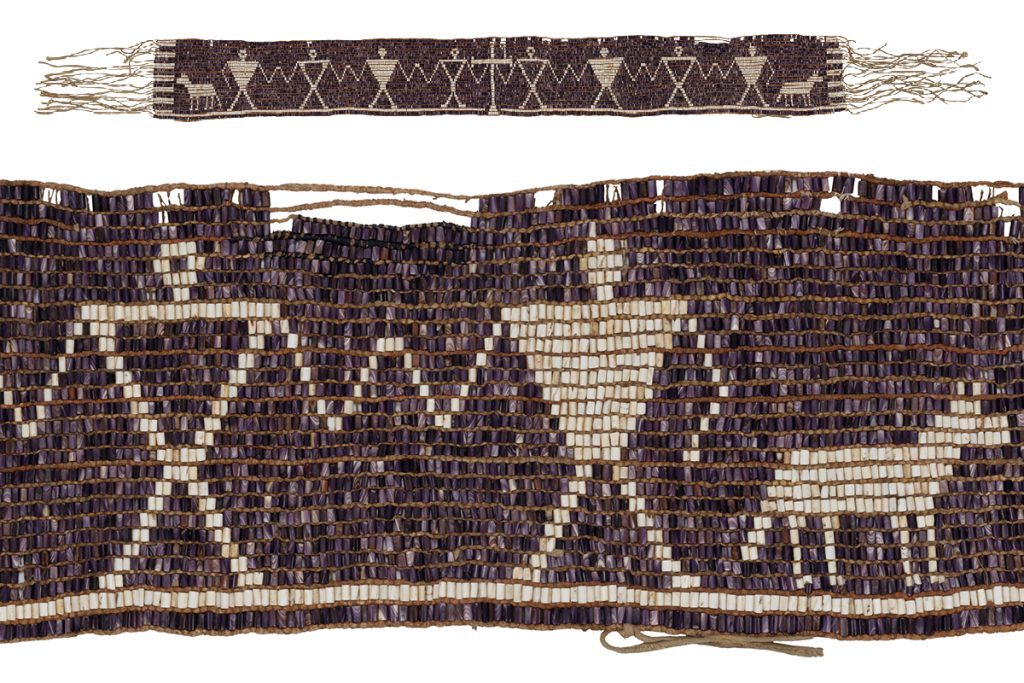
According to Lainey, a historian, the Two-Dog Wampum Belt was presented to colonial authorities by Kanesatake chiefs in 1781 and 1788 to highlight the community’s dominion over the territory.
“In the proceedings of the meeting, the chiefs explained that the dogs are there to actually bark if the land, which is the line at the feet of the people holding hands, when the land is threatened, the dogs have to bark to warn the people that there’s a threat on the territory,” said Lainey.
According to Anne Eschapasse, president and chief executive officer of the McCord Stewart Museum, a Kanesatake delegation visited the museum’s conservation team last week, and the museum is participating in helping Kanesatake prepare to take back the belt.
“There’s definitely a momentum around restitution,” said Eschapasse, who noted the museum’s return of sacred Hatowi masks to Kahnawake last year.
Eschapasse said a federal policy is needed to help facilitate restitutions. The museum considers requests on a case-by-case basis, but there’s strong momentum at the McCord for the repatriation of cultural artifacts, she said.
“The time is now,” said Eschapasse. “We feel quite compelled to be part of a movement and to contribute as much as we can to reconciliation.”
Sign up for email updates from The Eastern Door
Lainey has been researching wampum belts for over 20 years, and he first wrote about the Two-Dog Wampum Belt around 2007, he said, even producing a chapter on the belt.
“We know it’s a collective property item that was actually made as evidence of their rights on the territory of Kanesatake,” said Lainey.
“It’s obvious today that this belt, one could argue, should not be here (at the McCord). It should have stayed with them. It’s theirs and it was not supposed to be sold,” he said.
It’s a sentiment that resonates with the director of Kanesatake’s cultural centre.
“Finally, it’s going to come home,” said Nicholas. “It’s going to be home where it started, where it was made.”