Traffic agreement needs negotiating
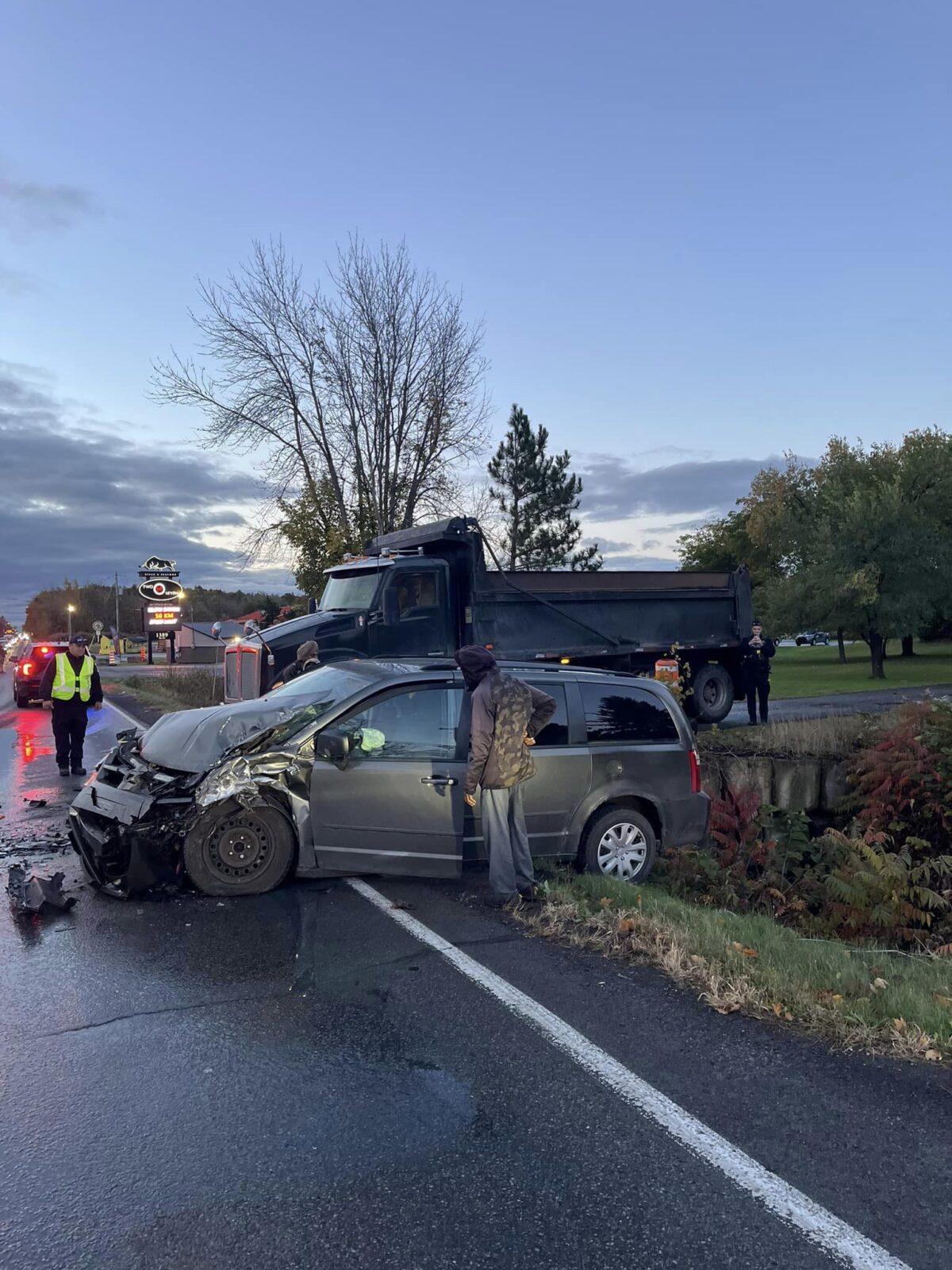
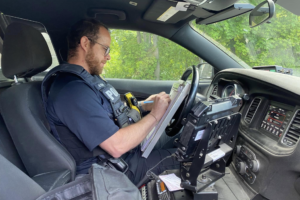
The patrol of local highways largely used by non-locals takes up a major chunk of the Kahnawake Peacekeepers’ resources. Accidents along Route 207 and Highway 138 happen on a weekly basis, and the work the police force has to dedicate to preventing fatalities isn’t being fairly compensated for by the province, according to many on the Council table.
The Mohawk Council of Kahnawake (MCK) has a transport agreement in place with Quebec to make up for the resources the force has to expend on policing these drivers, and has since 1999, but there haven’t been any modifications to it since 2000.
“We don’t receive enough from the transport user fees agreement to account for traffic growth and the growth in demographics on the South Shore, or the amount of truck traffic,” Council chief Paul Rice told The Eastern Door. “It takes quite a lot of resources on our end.”
The agreement brings in a set amount per year, one that goes up incrementally to reflect the consumer price index and interest rates set by banks. This year it brought in $2.6 million. Five years ago, it brought in $2.41 million.
There’s long been talk at the Council table over approaching Quebec to negotiate the agreement. That desire has been reignited since the election, with both Rice and MCK grand chief Cody Diabo repeating on numerous occasions the need to rewrite all existing infrastructure agreements the band council currently has with the province.

“You look at each of these agreements that need to be negotiated. You look at the different revenue opportunities for the community, and you prioritize them, which is what we're doing right now,” Rice said.
He said any extra money secured through a negotiated agreement would first and foremost go toward the policing and upkeep of the roadways, which include highways 30, 132, 138, and Route 207.
The transport agreement the MCK has with Quebec automatically renews every five years. The Council table has sat down with officials and negotiators from the province’s Indigenous affairs secretariat and transport ministry numerous times over the years about it – the most recent time being last year.
The province has since invited the MCK to submit a request outlining how it hopes to kickstart new negotiations over the agreement, something it’s still waiting to receive, according to a statement shared with the Eastern Door from Quebec’s transport ministry.
“We’re having a whole bunch of internal discussions about what we’re doing with traffic,” Diabo said, saying that agreement is very much part of those conversations. “The transport user fee agreement is very outdated. It doesn’t match the realities of today.”


Both he and Rice have also reiterated the need to renegotiate all other existing third-party funding agreements the band council has, such as those over the Seaway and rail lines that run through the territory.
That’s one means through which the MCK is hoping to increase its revenue from Quebec. The other option the table is seriously considering is pushing for the implementation of tolls on major routes.
A study has already been carried out revealing the MCK stands to bring in between $30 million to $50 million per year, depending on where the tolls are placed.
The desire for tolls has come up routinely at community meetings, Diabo said.
“We’re probably going to be coming back to the community relatively soon to discuss the social impacts of that,” the MCK grand chief said, saying it will be up to the community to decide what demand he’ll bring to the Quebec government. “I tried pushing it last term, but now I’m in a position where I can do more, definitely, and I think a lot of the Council feels the same way about it.”
Sign up for email updates from The Eastern Door
This article was originally published in print on January 3 in issue 34.01 of The Eastern Door.