The meaning of the Two Row
Megan Kanerahtenha:wi Whyte The Eastern Door
A number of Indigenous Members of Parliament (MPs) have been named to the federal cabinet this week, not the least of which was Mandy Gull-Masty, the former grand chief of the Grand Council of the Crees, who becomes the first Native person to lead Indigenous Services Canada.
She joins Rebecca Chartrand and Buckley Belanger as the trio of Onkwehón:we MPs appointed to key positions.
It’s no small feat, but she certainly has her detractors in Eeyou Istchee (Cree territory).
She represents a lot to so many – both good and bad.
Some were elated when she was named to cabinet, while others were not impressed, to say the least.
But no matter what you think of her, there is a deeper issue to look at here. One that’s a much larger issue which affects not just a small percentage of people, but all of us, Cree or not.
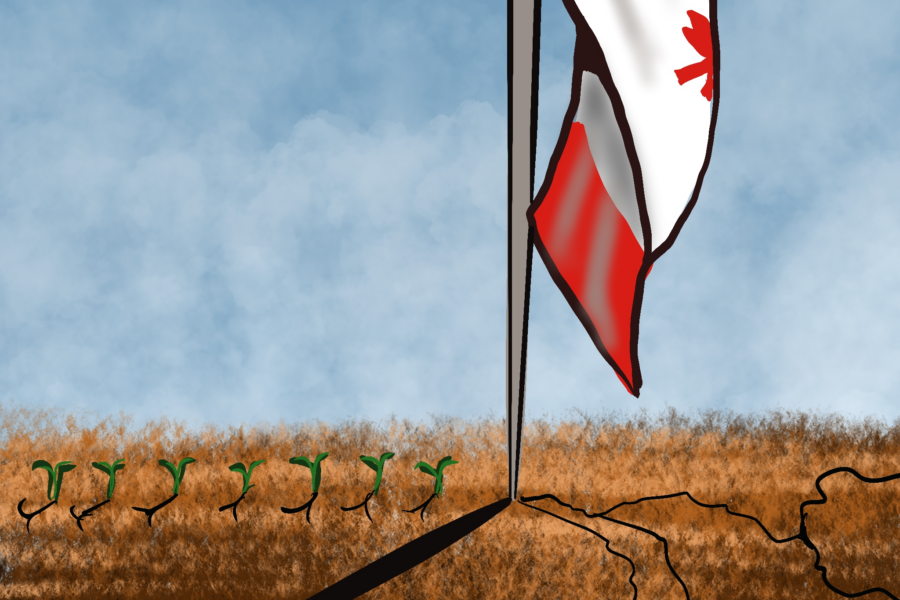
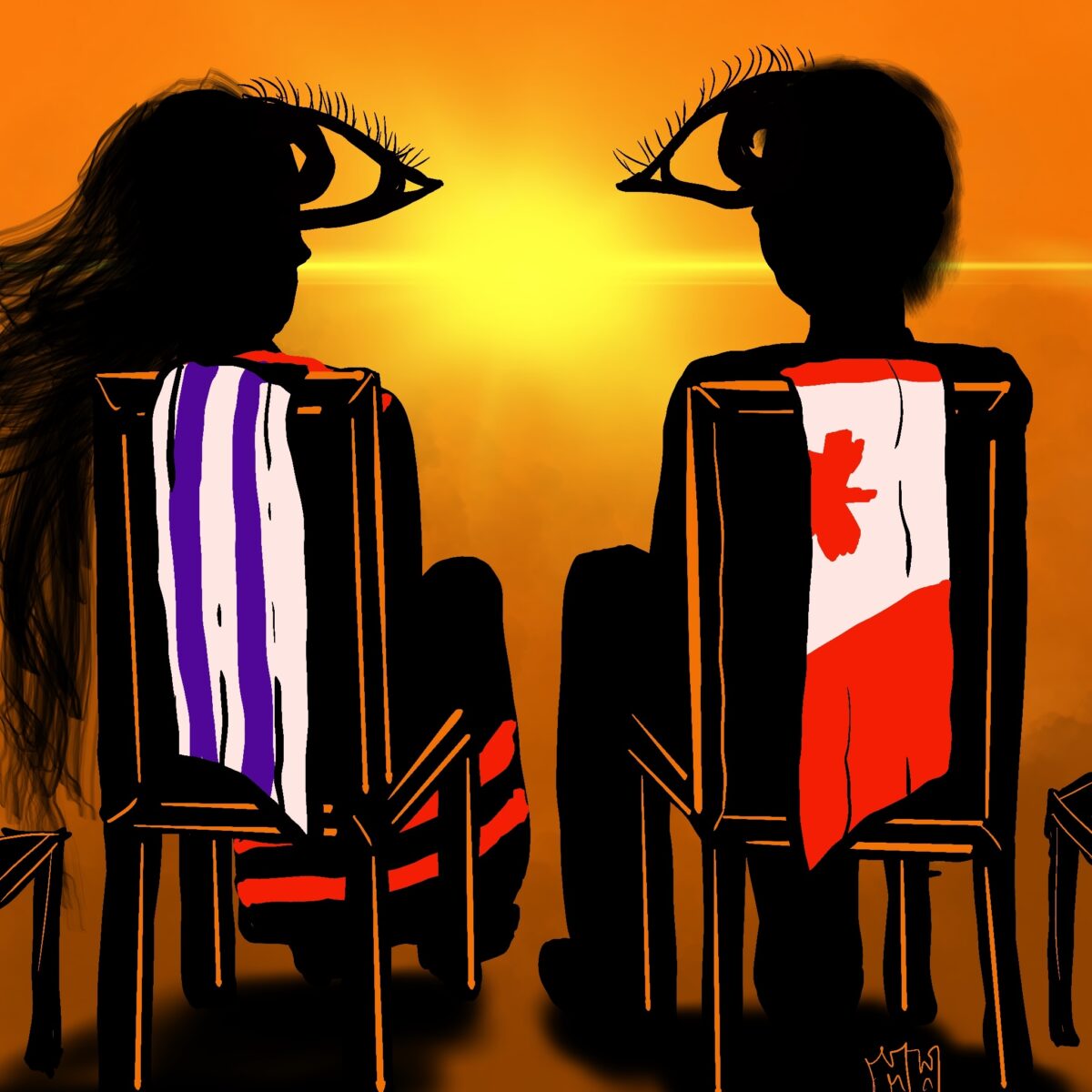
And she’s not alone in this issue, one of sovereignty and of the principles of the Two Row Wampum.

We, as Onkwehón:we, are supposed to stay in our canoes while the Europeans (or other non-Natives) stay in their vessels, side by side, for eternity.
We’ve heard it time and time again, and although there has been personal mixing of peoples for centuries - which will never change - it’s quite another thing when the political lines that divide are crossed.
How well would an Indigenous person serve in a government that is, for all intents and purposes, foreign, especially as head of Indigenous Services?
People have hope but they mostly have doubts. We will wait and see.
But the mere act of being in a Canadian cabinet, outside of the walls we are automatically born into as Native people, is the issue.
Can an Indigenous person, who is handcuffed, for the most part by party, politics and people, really, truly change things? Would Gull-Masty rock the boat or just go along with what her bosses say?
The issue includes the fact that as long as our politicians are aiming for these types of political offices, they are leaving behind the jobs where the real work is sorely lacking – in our communities.

See Jody Wilson-Raybould for an example of ambition leading to infighting, which led to her out of a job and selling books, as compelling as they are.
In other words, if your party grows tired of you, no matter how good your work is, you’re done. And good luck getting a high-profile job after you’ve been typecast as oppositional.
So, what will this appointment really do, if anything, for our main concerns, especially the land back movement?
The same thing, we think, of what happens when an average Joe gets into office in our communities on the local Indian Act level – they soon follow along with the masses, their fight as an outsider changed to “Well, I tried.”
We have examples of that here and now, just look a little closer.
We don’t hold out much hope at all for Gull-Masty’s appointment, because we have seen what happened with previous chiefs, grand chiefs, and Canadian political pawns, who ended up as fodder for off-colour political jokes later on, as the only memento from their time in office.
People grow impatient quickly, but they also remember the ones who did little to nothing, so the pressure is on because running Indigenous Services is no small order, and there’s a laundry list of things to do, a backlog so long it makes Kahnawake’s land claim look tiny.
Sign up for email updates from The Eastern Door
Leadership comes in many forms, but the good kind is one of sacrifice, of fighting the powers at hand with everything you’ve got for a better tomorrow for all, and it comes with taking a whole lot of guff on the chin.
If any of the three new Indigenous MPs pose for a mining company photo shoot, or gladhand with oil tycoons for a photo op, at least you know their next move when they leave office.
They will probably follow the long list of former Assembly of First Nations heads into something that’s even worse than being part of the Canadian system – you know, the things that destroy the very land we fought and died to protect.
Steve Bonspiel
The Eastern Door