Quebec Native Women backs report

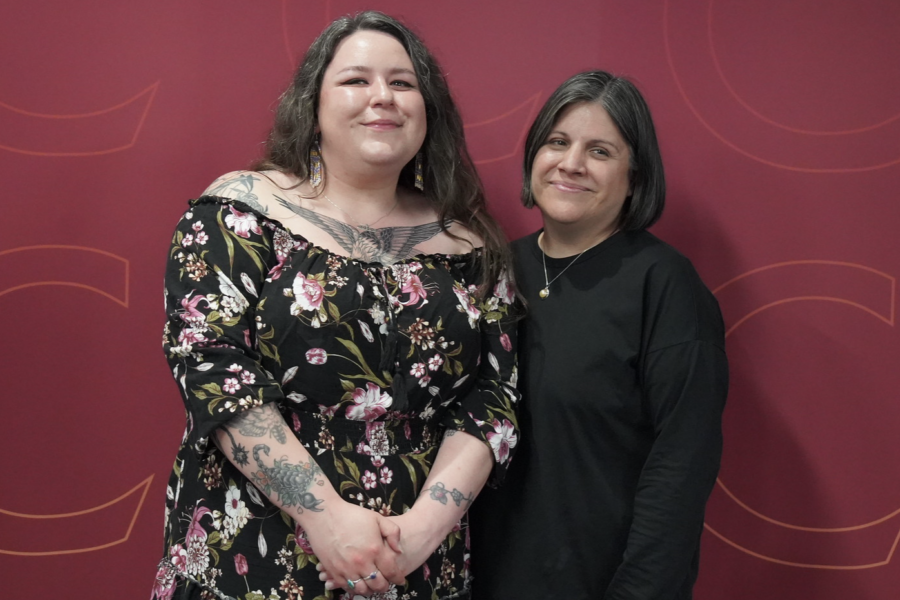
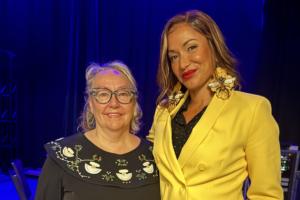
Courtesy Quebec Native Women Facebook page
Quebec Native Women (QNW), the organization that seeks to represent the interests of Indigenous women throughout the province, responded via press release to the report by the Quebec ombudsperson that the province is not doing enough to implement the Viens Commission’s 142 calls to action.
The 2019 commission aimed to improve the services offered to Indigenous people by the government, namely in terms of justice, correctional and police services, health, social services, and youth protection.
The ombudsperson report on the slow adoption of these calls to actions first came in 2023, and at the beginning of November, they cited the fact that budgetary restrictions could mean setbacks for the elements of the commission that have already been put in place while setting aside future gains.
“There is a lack of real political will right now,” said Marjolaine Etienne, the president of the QNW.
While there is not nothing being done, with advances made at the local level, these are fragmented, and not enough for the reality at hand.
Etienne said that changes can’t be made if no one tries to make them, which is why the QNW is raising the alarm on the lack of progress.

“It is time to sit down and have a dialogue together. It is time to look into the future, and look at the reality right now,” said Etienne.
That reality being that still, too many face systemic violence, discrimination in accessing public services, and the “invisibilization of their rights,” in the words of the QNW.
The Quebec government has also yet to adopt the United Nations Declaration on the Rights of Indigenous Peoples (UNDRIP).
There is also the financial aspect of the matter, where funding remains insufficient or at risk for healthcare, policing, and social services, among others.
“If there is a reduction in funding, there will be a reduction in the number of concrete actions that can be taken to respond to the needs of Indigenous women,” said Etienne.
“It’s important that the funding is in place to implement these calls to action.”


She said that it is possible to make these calls to action work, if the government is willing to sit down and work together on a plan, particularly for cultural safety.
“It would allow for us to build something together, especially with Indigenous women who are affected by this,” said Etienne.
A plan that could guarantee the lasting financing of cultural safety programs would drastically improve the situation of Indigenous women in the province, she added.
Even in the face of potential setbacks and government stagnation, Etienne believes that it is important to keep fighting, and that advances are still being made at the local level and in certain parts of the provincial government, even if they are slow.
“We shouldn’t give up. We really have to believe in implementing a partnership and work together to take care of the specific needs of Indigenous women and girls,” said Etienne.
“We have a duty to do so, whether it’s on the government’s end or an organization like ours.”
Sign up for email updates from The Eastern Door
As such, the press release by QNW reiterated three action points that the organization finds necessary:
“Establishing a government strategy on cultural safety, including accountability mechanisms, co-developed with First Nations and Inuit, especially women who are most affected; ensuring sustainable funding for Indigenous police forces, community justice services, and liaison officer positions; and immediately launching a legislative process to adopt and enshrine UNDRIP and General Recommendation No. 39 on the rights of Indigenous women and girls into Quebec law, in close collaboration with Indigenous women, their representative organizations, and their communities.”