Language summit brings in thousands
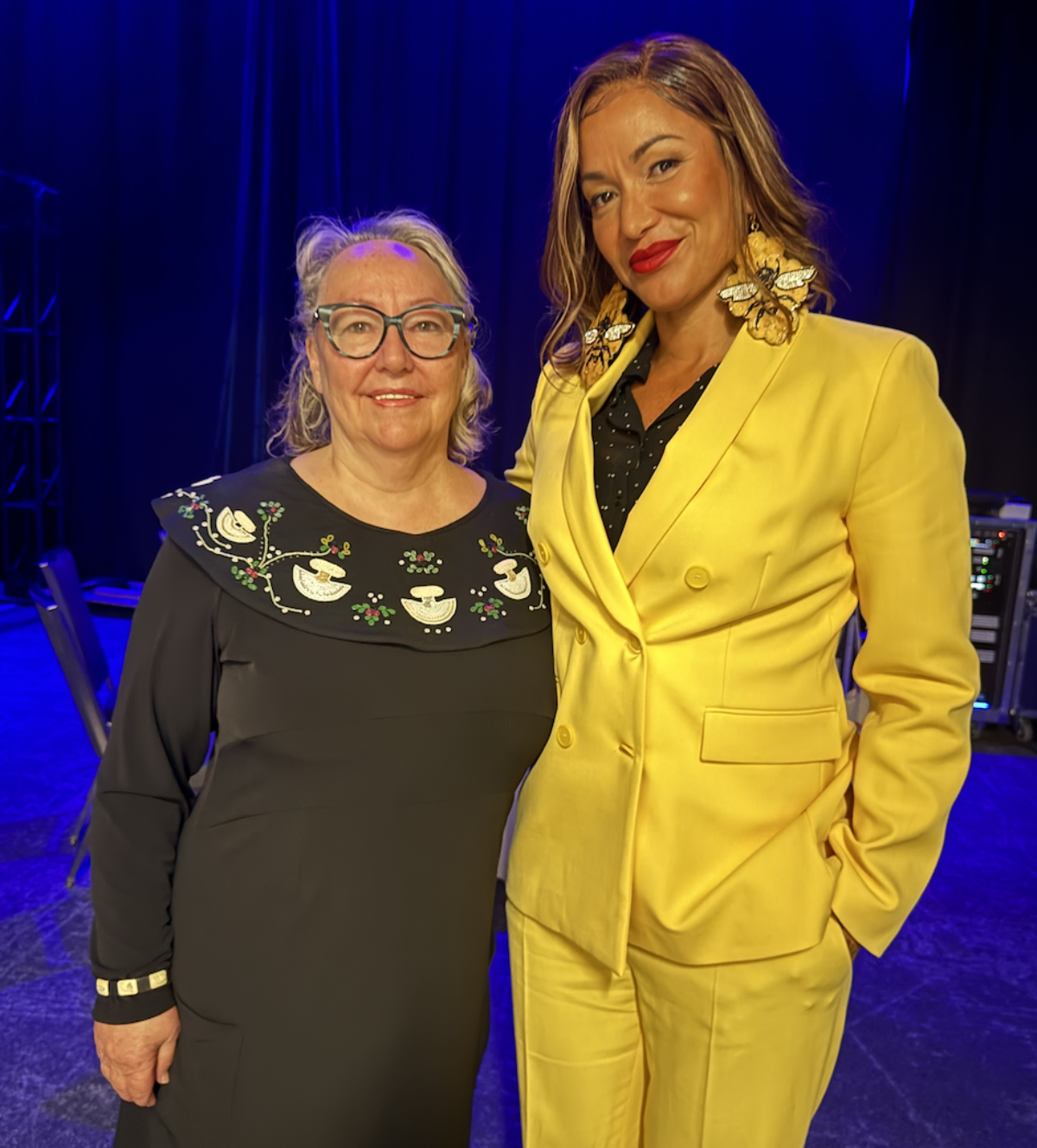
Waneek Horn-Miller with Inuk activist Siila Watt-Cloutier at the WAVES Summit. “She’s one of the best speakers I’ve ever seen, she had these really, really powerful messages,” Horn-Miller said.Courtesy Waneek Horn-Miller
As Kahnawa’kehró:non Waneek Horn-Miller looked out at the thousands of Onkwehón:we who had flocked to Ottawa for the WAVES 2025 Global Indigenous Language Summit last week, she was struck just how many people had united behind the common goal of celebrating Indigenous languages.
“I was seeing all these people who were happy, who were encouraged, who were celebrating, who were connecting with each other, and I didn’t even realize until I was standing out there that it was exactly where I was meant to be,” said Horn-Miller, who was one of the hosts for the event, facilitating discussions and emceeing the four-day conference. “I’m so thankful that I got to be a part of this.”
Around 2,500 people headed to the Roger’s Centre in Ottawa for the event, which was organized by the Office of the Commissioner of Indigenous Languages (OCIL).
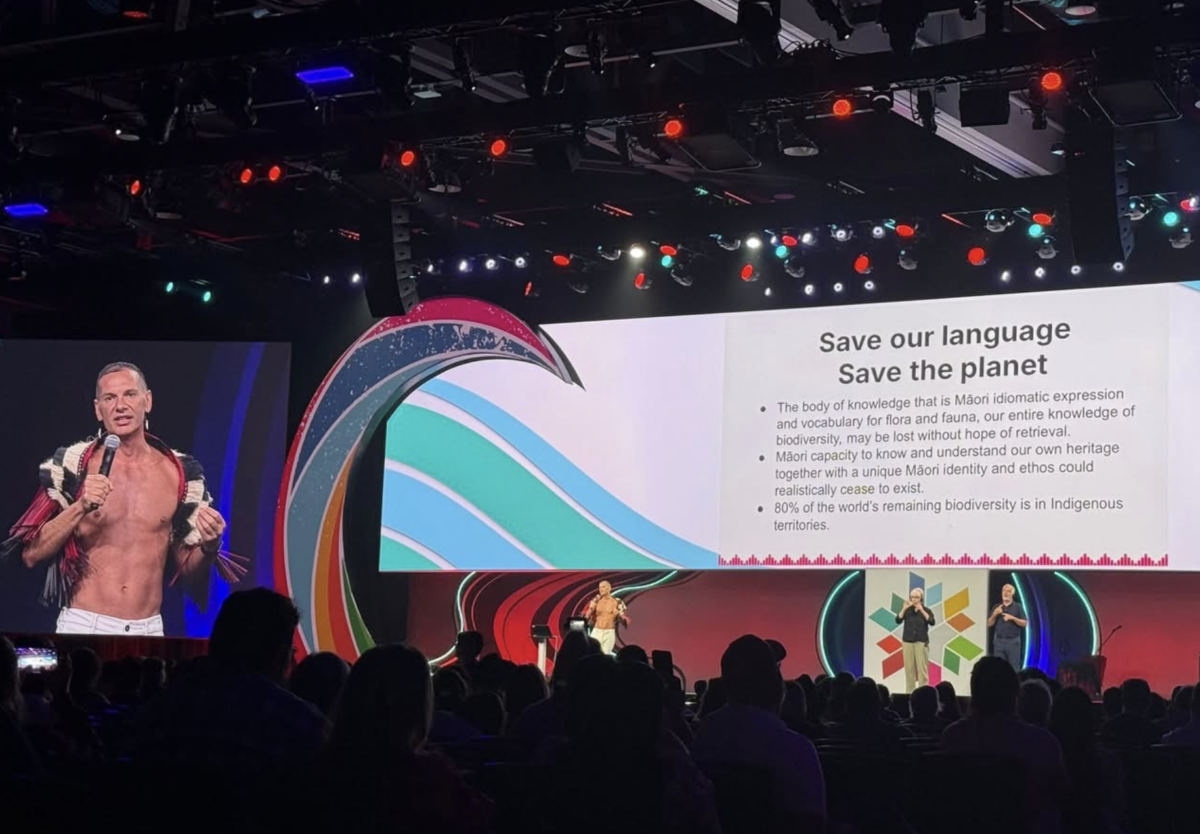
Māori language advocates presented at the conference. Courtesy Melanie Morrison
The Office had made the decision to scrap registration fees for the conference in an effort to increase accessibility, a move that commissioner Ronald Ignace, who is from the Secwepemc Nation, said helped break down barriers.
“It helped immensely. Normally these conferences are people presenting academic papers, and we wanted to have more verbal exchanges of knowledge and more interaction,” he said, adding that attendees came from more than 20 countries for the event. “People really loved it, and we were able to reach down into our communities and bring in the frontline workers that are working and struggling to revitalize our languages.”

Horn-Miller said she was particularly impressed by how the conference brought together elders with the youngest generation of speakers. She had attended with her mother, Kahentinetha Horn, who is 85.
“I got to see my mom so happy, having the time of her life,” Horn-Miller said. “It was like this moment where you saw these older generations of language speakers pass the torch, in a way, to the younger ones.”
Organizers had specifically geared an entire section of the conference to youth, creating the 7 Gen Youth Space where young people could network with one another and hear about language initiatives that had been created with them in mind.
“It’s incredible what our youth are doing, and I’m now confident that the intergenerational transmission of our languages is going to take place amongst them,” said Ignace.
Mohawk Council of Kahnawake (MCK) chief Melanie Morrison was at the event, and said she was particularly impressed by the initiatives focused on reaching younger speakers.
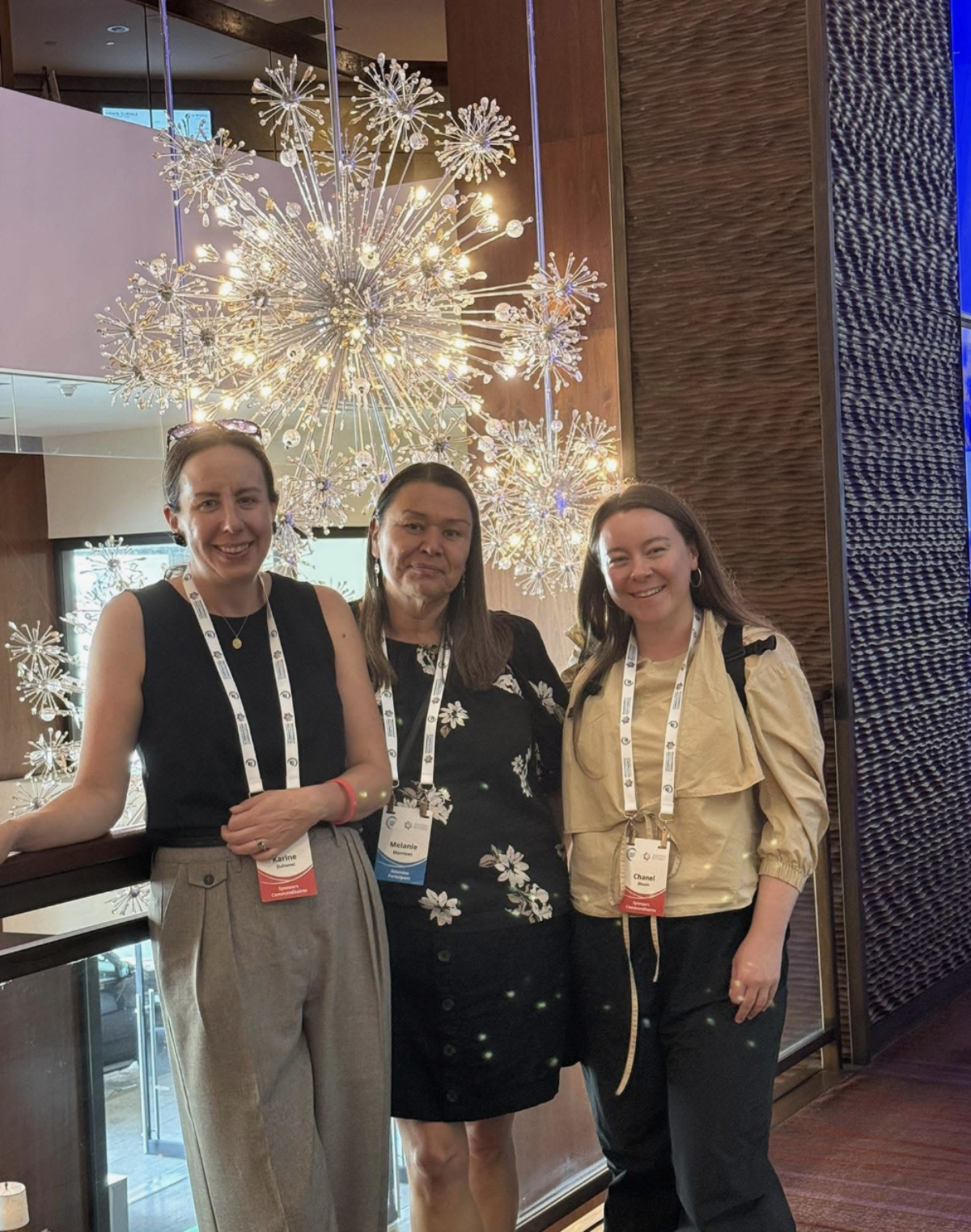
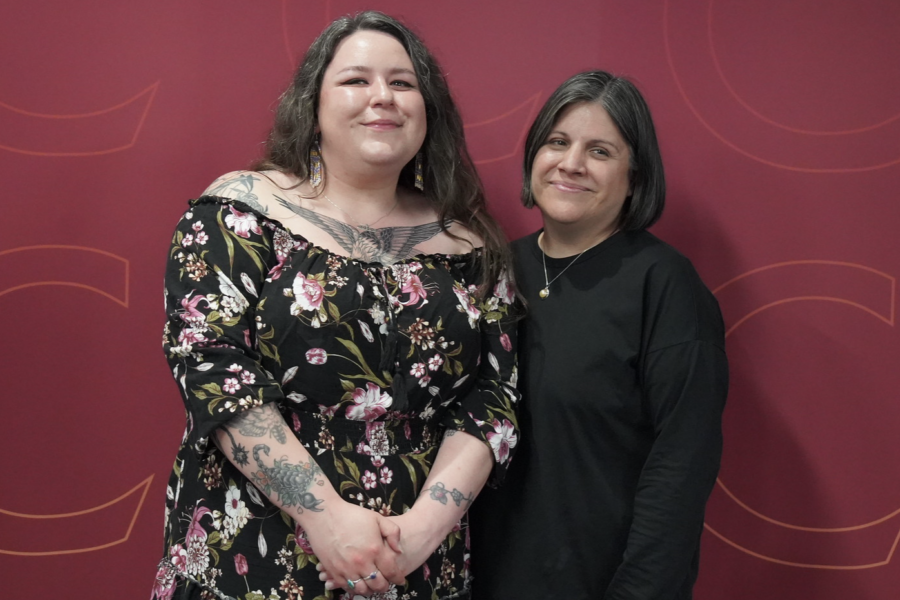
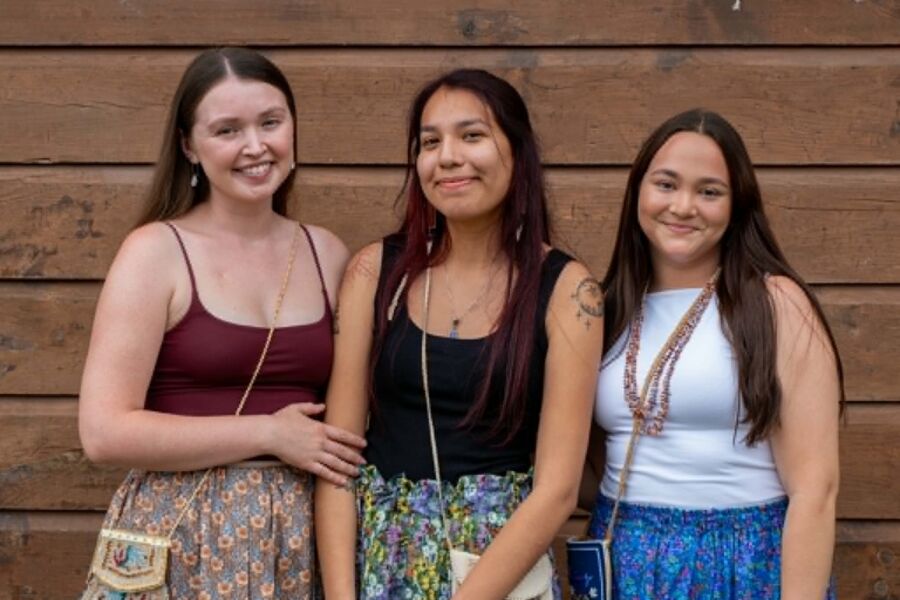
MCK chief Melanie Morrison (centre) with Karine Duhmel (left) and Chanel Blouin (right) at the WAVES Summit. Duhmel and Blouin were both part of the National Inquiry into Missing and Murdered Indigenous Women and Girls. Courtesy Melanie Morrison
“I think it’s fantastic because some children, especially when parents opt to send them to school outside of the community, don’t have an opportunity to learn the language, and it’s something I’ve been pushing because regardless where you decide to have your education, you should have access to your language and culture,” Morrison said.
“It really shows that technology needs to come into our learning,” she said.
She said she saw projects like a video game entirely in Mi’kmaq, and a language-learning app from a Māori creator that has high-level data security so that they can monitor who has access to their language and how it’s used.
“I means their language is protected, it’s not just out there for anybody to access and use, and that’s something that the community has been working on, our own data sovereignty,” she said. “There was so much information and projects like that happening, that we can all learn from.”
Morrison had the chance to meet speakers from all over the world at the conference, and she said that events like these are an important tool for those at the forefront of language learning to streamline their projects and support one another.
“You need to hear from all the communities that are facing these challenges, and meeting like this also helps us put pressure on the government to recognize our rights to our language and culture, and the rights for us to be in charge of the way we revitalize our languages,” Morrison said. “We have to have that ability to teach people our language and make it accessible to everyone.”
Sign up for email updates from The Eastern Door
This year marked the inaugural version of the summit, and Ignace said it was the diligent work of staff and volunteers that made the event possible.
“I felt definitely elated with the way things rolled out with that many people, all the transitions between the sessions were smooth and the audience was just in awe and delighted with the agenda and our presenters,” he said. “It was just incredible.”
He said he’s hopeful the WAVES summit will continue in future years, even when different commissioners and directors take over the reins from the current team.
“This was a global Indigenous languages summit of vast proportions, there hasn’t been a language summit such as this one before. It wasn’t just a historic first for the commission, it was a historic first overall, for the world,” he said.