Paramedic memorial to honour fallen

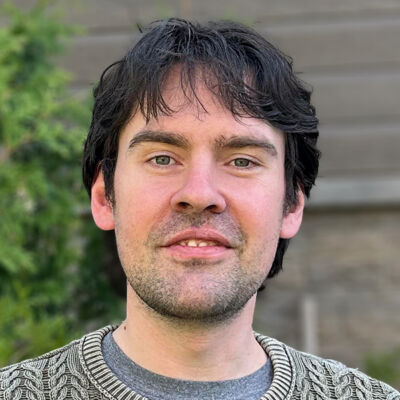
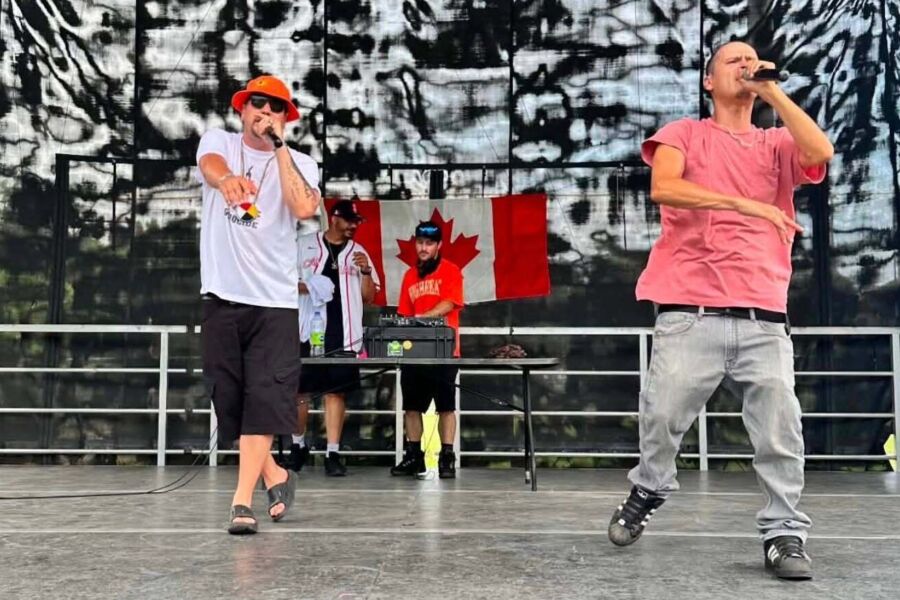
When Robert Bonspiel was approached by the Canadian Paramedic Memorial Foundation to sit on its board - becoming its only Indigenous member - he didn’t hesitate.
After all, the idea to build the Canadian Paramedic Monument for fallen paramedics in the country’s capital struck a chord with him, not least for the opportunity to push for the inclusion of Indigenous first responders and Onkwehón:we languages.
But Bonspiel, the president of First Nations Paramedics, also knows firsthand the way paramedics put their lives on the line every day to serve people in their hour of greatest need.
“For me, it was hammered home years ago that we needed to do this,” he said.
It was Valentine’s Day 1997, a blizzardy, busy day on the job. After bringing in three or four patients to St. Eustache Hospital, sensing the stress of the hospital’s nurses, he shared a little dark humour to lighten the tension, joking he wouldn’t be coming back unless it was to receive treatment himself.
“I shouldn’t have said that, because ultimately I was the patient,” he said.
Driving the slippery roads back to the community, the crew encountered a bad crash involving five vehicles and an 18-wheeler on Route 640 in Two Mountains. They were first on the scene, so they mobilized to provide care. Bonspiel was tending to a person trapped in a car lodged beneath the mammoth truck.

That’s when he was hit, a car sending him 250 feet.
“I was lucky because I escaped with my life,” Bonspiel said. “There are a lot of paramedics that don’t.”
He believes it’s important for the families of fallen paramedics to have a place to go, to pay their respects in the context of the sacrifice they made. Even the patients on scene might need somewhere to go, for their own sense of closure or appreciation.
“I think it’s incredibly important,” Bonspiel said. “People give their lives all the time in service of others. And while we’re not looking for it, we don’t need that tap on the back, it’s nice to know that the possibility exists that somebody can remember what we did for them, or what somebody did for them in the past.”
It’s also a place that can represent the goal of protecting the lives of paramedics, to compel people to ask how to eliminate instances like these, another part of Bonspiel’s enthusiasm to join the project.
“When they came to me and asked me, it meant so much,” he said.
The idea of the monument resonates with others in the field, too. Alexandre Lebeau, who serves with First Nations Paramedics, supports the effort to recognize medical first responders.
“There are monuments for police officers, there are monuments for firefighters, veterans, but for us, we’ve had nothing yet,” said Lebeau.
“It’s a job that is a bit less glamorous than a police officer or a firefighter. I’m really happy that we have a monument, that we’re recognized by a monument in Ottawa.”
For Bonspiel, who has frequently advocated for the expansion of access to paramedic services in First Nations, serving on the board is an opportunity to ensure the monument is inclusive and reflective of Indigenous communities and contributions.
One way he is doing this is through preaching the importance of including as many Indigenous languages as possible alongside the English and French.
“I told them if I’m going to be here, I don’t just want to be the Indigenous representative, I want to see some Indigenous representation incorporated into the monument as well. The other members were incredible in that they agreed right away and this was not an issue,” he said.
They started with small things, Bonspiel said, ensuring translations into Indigenous languages were included in the social media presence and in email signatures. They have included six Indigenous languages so far, he said, but this is only a start.
“We want people to get involved. We want to see our languages there because there have been paramedics, whether military or civilian, from all of our nations over the years, and they have to know they’re remembered and what they did is respected and will always be an important part of history,” he said.
Sign up for email updates from The Eastern Door
He also hopes to collect small stories from Kanien’kehá:ka about their and their loved ones’ experiences receiving care from paramedics, especially but not only in Kanien’kéha, so people can see the difference first responders make in people’s lives. He invites people to reach out to share, he said.
“Everybody respects the work that’s being done by those paramedics, and rightfully so,” he said. “They come in at the worst possible moment in a person’s life and they bring with them a calmness and a professionalism and care that hopefully makes that person feel better in the moment.”
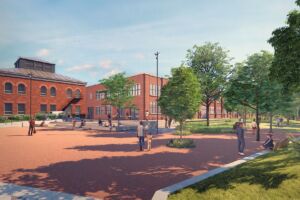
The monument will be built for both military and civilian paramedics on a site in Ottawa’s Commissioners Park, the foundation announced last month. The foundation is currently working to raise $5 million in donations to build the memorial.
Marcus Bankuti, Local Journalism Initiative Reporter