New Indigenous space in the city
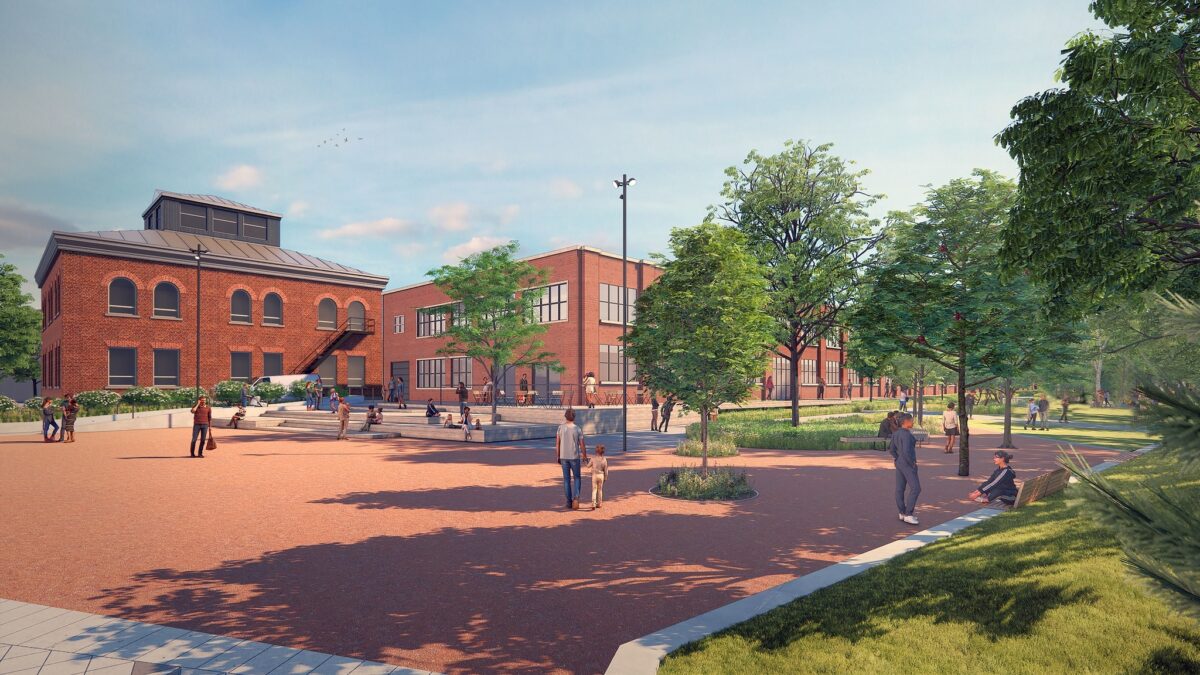
A proposed image of what the space will look like when work is completed in summer 2026. Courtesy Southwest borough
As part of the redevelopment of the area in the Southwest borough of Tiohtià:ke where the Canadian National trainworks once stood, work has begun on a new Indigenous open-air cultural space called Ionkwatia’tarò:ron park – “we are gathered” in Kanien’kéha.
The space came to be as a result of a collaboration between the borough and the Buckskin Babes collective of artists, who have done workshops on tanning and other work with hides in what was called Lot Four, the space close to where Ionkwatia’tarò:ron park will be located, which is by the shared community space called Batiment 7.
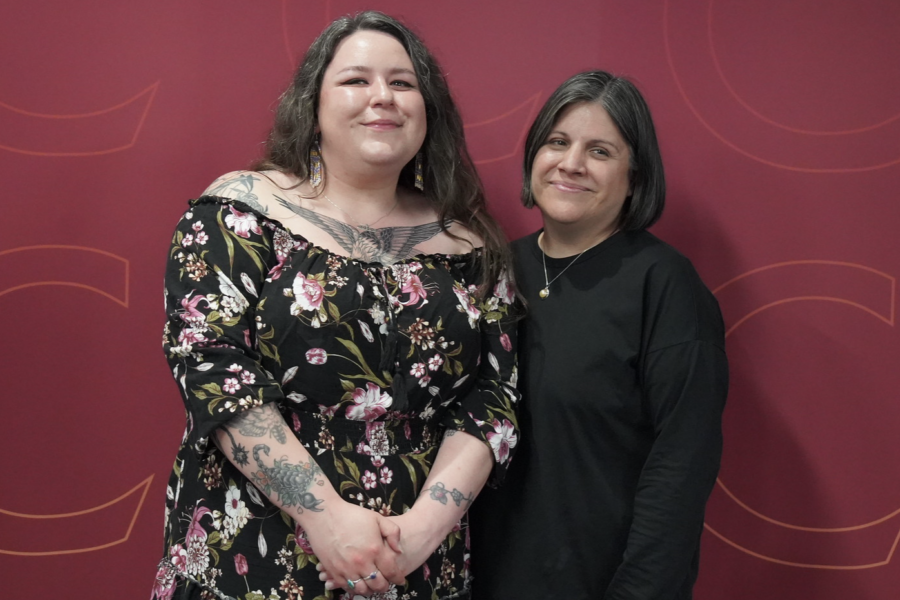
“Our other collective member, Autumn Godwin, applied to have a permanent space for us within the B7 ecosystem,” said Buckskin Babes member Iako’tsi:rareh Amanda Lickers, a member of the Seneca Nation who is a designer and multi-media artist currently based in Tiohtià:ke.
“Before we had no infrastructure. Now we have some infrastructure.”
Although not a giant building, the infrastructure still includes things like an A-Frame pavilion, where they can have a fire without city supervision, as well as an area to store tools and dry hides. There will also be a warming centre for elders and easy access to water.
Lickers said that the possibility of having a designated space for fire is one that will help those using the space a lot.

“The fire department recognizes Indigenous fire-keeping practices, and even though there won’t be a firefighter there every time, they said as long as there’s a designated fire keeper, that’s good for them,” said Lickers.
“I can’t really underscore this enough. Being able to have a fire without worrying about the police coming, it just makes it a lot easier, especially during hide work. I even showed them examples of cooking, pottery, boiling sap, and other land-based practices. In the city, one of the hardest things to have access to is a fire.”
Furthermore, the space means not having to do a setup and teardown after each event they hold there, which will be hugely beneficial in terms of time and energy.
That new physical space is also helpful to raise awareness of the existence of Indigenous spaces in the city.
“It helps, having visibility of these practices in the urban environment, especially for us urban Natives, where we’re often feeling erased,” said Lickers, adding that it’s also helpful for people from Indigenous communities off-island who come to the city and see themselves represented in the city through these practices and spaces.
The project was collaborative between the city and the collective, with the Buckskin Babes advocating for much of what is now included in the project.
“We had to articulate our needs. We have to advocate and say ‘we need this,’” said Lickers.
“There was an amount of labour that went into it, but there was a spirit of collaboration.”
That collaboration included support from the city’s commissioner of Indigenous relations, Randy Legault-Rankin, a member of the Abitibiwinni First Nation, as well as from the borough itself and the design and architects they worked with, which she said made the experience very positive throughout.
“It was cool that they seem to care. I think that’s one thing I’ll take away from this: the power of an individual in a system, and the individuals all want to push their system,” said Lickers.
She also said that more actions like this one are needed.
“Reconciliation is not something that’s just done and over with, especially within our age of austerity. The first things to get cut are going to be funding for Indigenization. That’s where non-Indigenous people have to work,” said Lickers.
Sign up for email updates from The Eastern Door
“We have our work to do with rebuilding our practices and creating that visibility and gathering together in sovereignty. What is on the other side of that is folks have to continue their commitment with action.”
Work on the space is scheduled to be completed in the summer of 2026.