Minister meets Council on Bill 2

Bill 2 comes into effect in January, and MCK chiefs say it could have a negative impact on healthcare services in the community. File photo
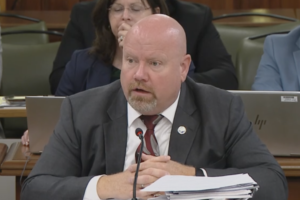
Mohawk Council of Kahnawake (MCK) chief Arnold Boyer told the provincial health minister last week that newly passed legislation could result in patient care being treated like “fast food,” with performance targets creating a kind of “fast medicine” that could compromise doctors’ abilities to properly evaluate patients.
“What can you possibly talk about within just seven minutes? I said to the minister that this is like fast-food medicine. Fast food isn’t healthy for the body, and fast medicine isn’t either,” Boyer said.
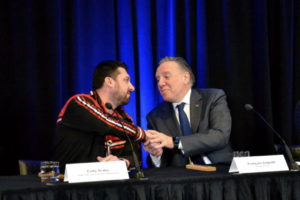
The meeting, which took place virtually at the end of last week, saw Boyer and MCK grand chief Cody Diabo share with health minister Christian Dubé how the bill could exacerbate problems the community already faces with hiring and retaining doctors.
The legislation has been the subject of protests from health professionals across Quebec, including the Indigenous Physicians Association of Canada (IPAC), who said that it is “punitive, disconnected from the realities of practice, and risks worsening morale, burnout, and patient access to care.”

The bill ties 10 percent of salaries to performance targets, overhauling how doctors are paid - targets which health professionals said are unfeasible and could compromise quality of care. Provisions are also included within the legislation for fines for doctors that challenge the government’s policies, with individual physicians fined up to $20,000 per day and groups up to $500,000.
Since the passing of the bill at the end of October, there’s been a sharp uptick in the number of Quebec doctors applying to become licensed in Ontario, a departure of medical personnel that could cause serious issues with staffing in the province.
Boyer said his main priority in the meeting was to convey to Dubé how the situation could harm Kahnawa’kehró:non, something he feels the government overlooked in drafting the legislation.
“As community members, the community hospital, and community doctors, this could be a big, big problem,” Boyer said.




He stressed to Dubé the concerns he has relating to performance targets, emphasizing the importance of family doctors having adequate time to fully evaluate patients and build relationships.
Under the bill, doctors would be evaluated on how quickly they can process patients, which Boyer said raises concerns about rushing patient care.
In November, Kateri Memorial Hospital Centre (KMHC) executive director Valerie Diabo cautioned that the legislation was already causing concern or community healthcare workers, telling The Eastern Door that “many have expressed apprehension about the bill’s potential impact on resources, increased administrative and clinical pressures, and the risk of further straining an already burdened healthcare system.”
Boyer feels confident he and Diabo fully explained the community’s concerns related to the bill and said that time will tell whether Dubé will listen - though no action items came from the meeting, Dubé did say that he would make time for an in-person meeting come January.
Sign up for email updates from The Eastern Door