Macdonald Campus welcomes powwow
Ella Paulin The Eastern Door
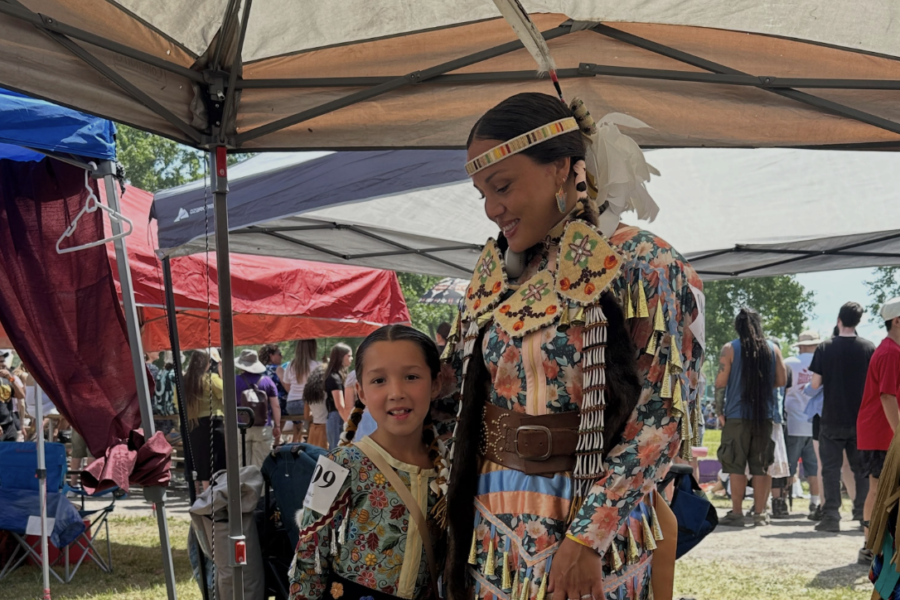
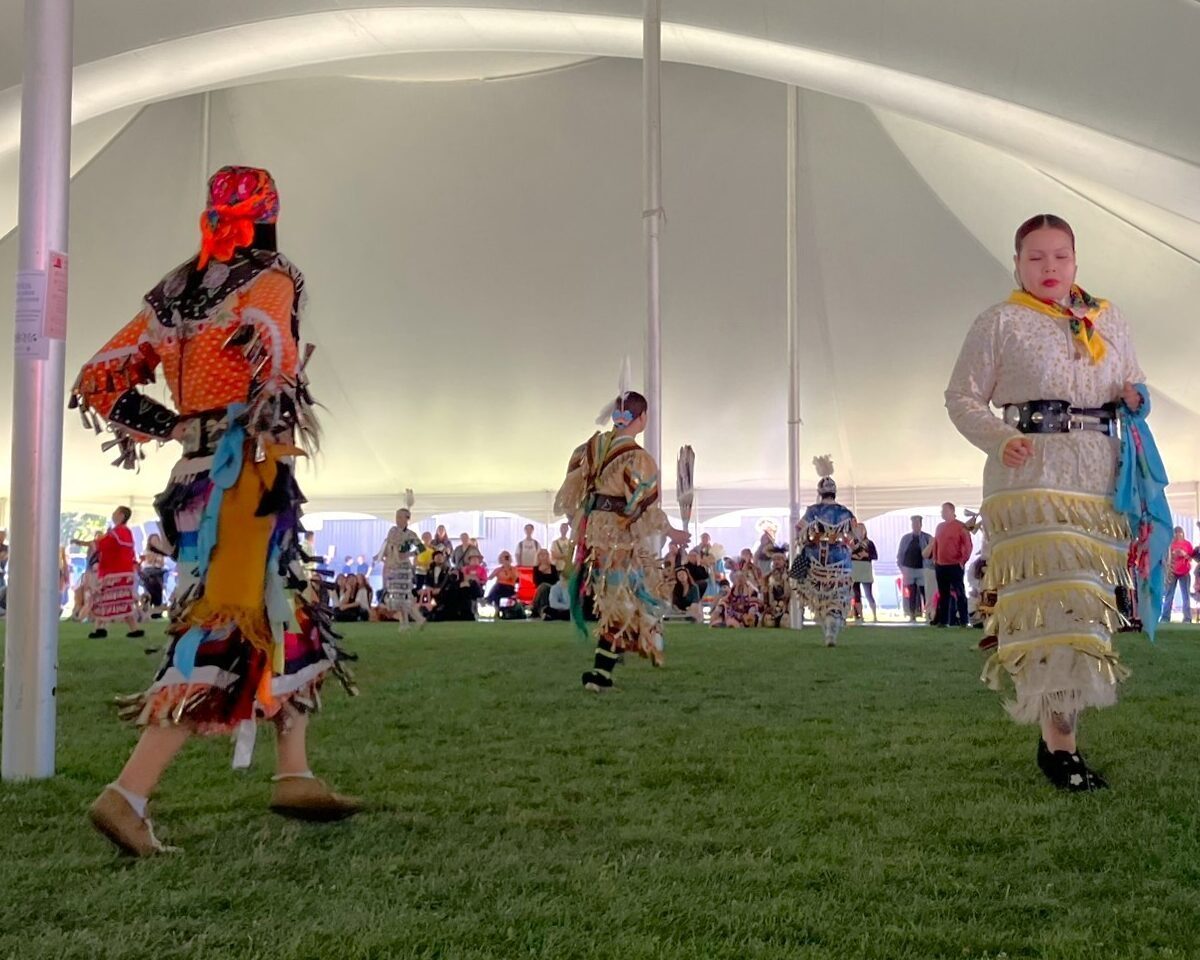
McGill University’s 24th annual powwow last Friday brought together dancers, community members, and local students to celebrate Indigenous culture during a cool, sunny fall day at the school’s Macdonald Campus.
This year marks the first year that the powwow was hosted at the Macdonald Campus in Ste. Anne de Bellevue, in collaboration with the nearby John Abbott College. The new location was a hit among both organizers and participants, and the increased distance from McGill’s downtown campus didn’t appear to hurt attendance.
“We’ve had a really good turn-out today. This is more vendors and people than we’ve seen, at least in my experience at McGill,” said Jenna Deer-Frainetti, a McGill student who was tabling at the powwow with the university’s Indigenous Student Alliance. “The set-up is really nice.”
Lance Delisle, who emceed the powwow alongside Marie-Celine Einish, echoed Deer-Frainetti’s perspective, noting that the location created a rare chance for Indigenous visibility on the West Island.
“It gives an opportunity for this side of Montreal to see a powwow,” Delisle told The Eastern Door. “You’re seeing a lot more children, and you’re seeing a lot more younger people from the school here and also from the high school participating at the powwow.”
Deer-Frainetti also noticed the engagement from local students.

“The day has been really good. We’ve had people come by and ask about what we’re doing, and we’ve had CEGEP students come by for their classes and ask about the importance of the powwow.”
Einish also remarked that the Macdonald Campus had more open green space and more parking space, making it easier for people coming by car to participate in the powwow. For those commuting from downtown, McGill ran free shuttles to and from the Macdonald Campus throughout the day.
The grand entry began at 11 a.m., followed by dancing and a series of competitions. Adults could register to compete in a variety of styles including men and women’s smoke dancing, women’s jingle and fancy shawl, and men’s grass.
For kids, there was an “all categories” event for ages 7-17 and ages 0-6. Prizes ranged from $100 in the children’s event to up to $1,000 for first place in the adult styles, and the first 40 dancers of the day also received an honorarium.
Aside from the competitions, there were also several periods for intertribal dance, which saw participation from local elementary schoolers alongside dancers in full regalia. Accompanying the dancers were the host drum, Black Bear, and several invited drum groups: Spirit Wolf, Ottawa River, and the Eagle River Singers.
Ray Deer, head veteran at the powwow, was enjoying the opportunity to relax after many years as an organizer.

“As I’m getting a little bit older, I get to take it easy,” Deer said. “I used to be the arena director - I’m glad I’m not, because you’ve got a lot on your plate. So getting to relax and watch the dancers, I enjoy it.”
For Deer, the McGill powwow marks the end of the major powwows in the area for the season, and he looked forward to transitioning to dancing in local schools during the fall with the Deer Family Dancers.
Already at the powwow, Deer was taking the chance to share Indigenous traditions with students from McGill, John Abbott, and local elementary schools.
“You look around, and I feel really good, because we’re getting a chance to showcase our tradition, our dances, and a lot of these non-Native people probably haven’t seen it before.”
Giselle Alfred, a McGill student hailing from western Canada, appreciated this welcoming atmosphere.
“I’m from British Columbia, so we do potlatches - so for me, it’s just amazing to have this opportunity to come and learn about local Indigenous culture as a guest on these lands.”
Sign up for email updates from The Eastern Door
Back at McGill, the powwow marked the beginning of their Indigenous Awareness Week, which run from September 19-30, and included showcases of Indigenous food, art, and sports, alongside talks led by professors and community members on topics like reconciliation, storytelling, and community building.