Fighting for Indigenous environmental rights
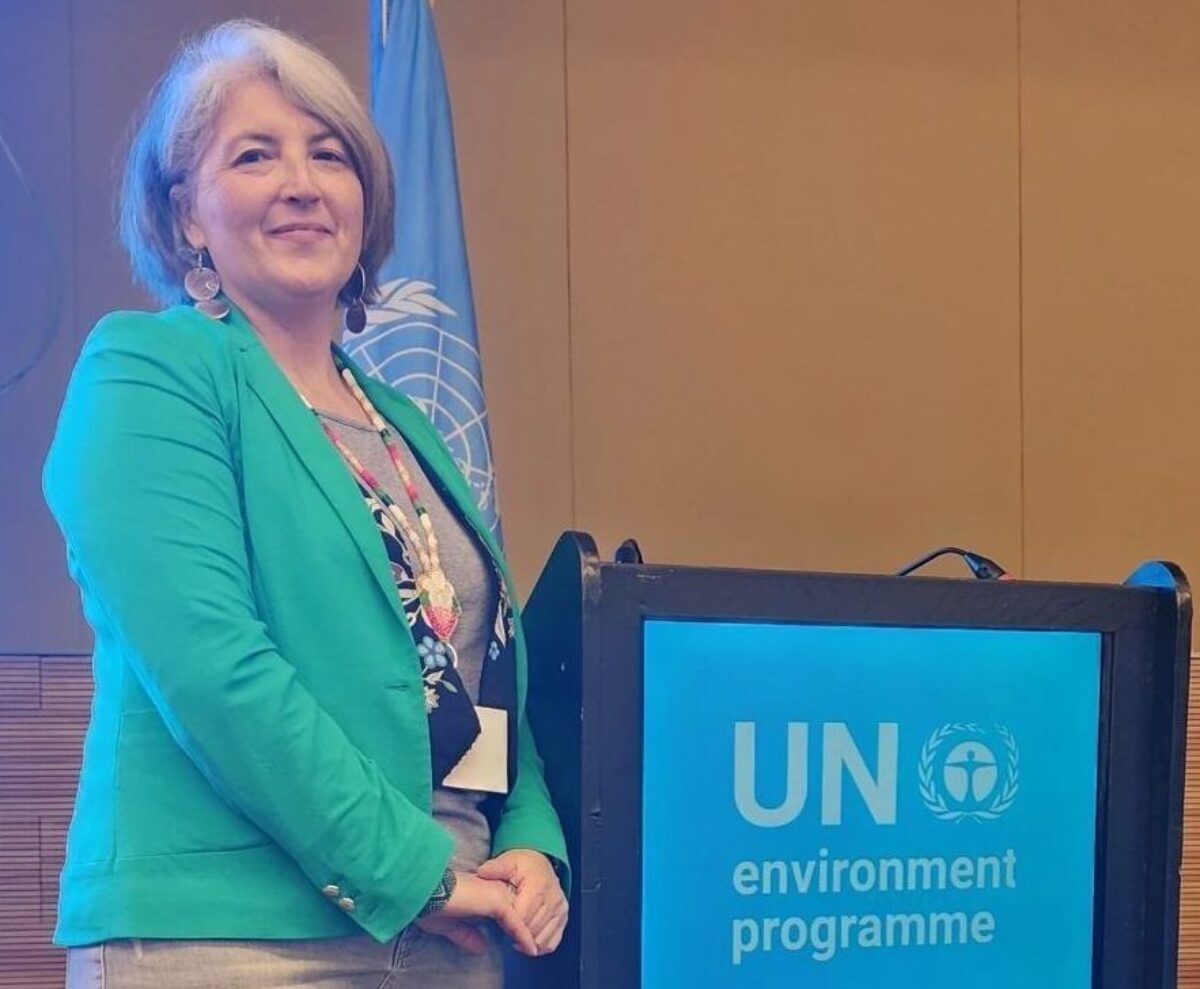
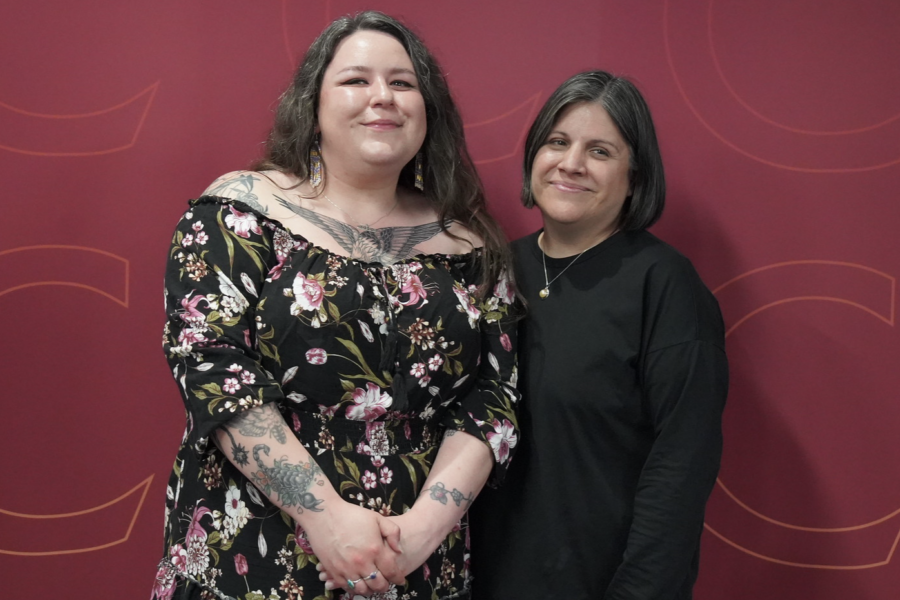
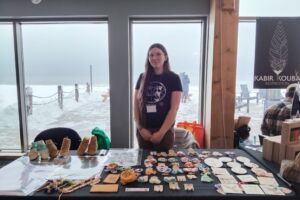
Lynn Konwaia’tanón:we’s Jacobs and other members of an Indigenous delegation spent long hours in Uruguay fighting to make sure Indigenous people’s rights are upheld as part of the proceedings of the United Nations’ Open-Ended Working Group science policy panel (OEWG-3.2) meeting on chemicals, waste and pollution in Uruguay from June 14-18. Courtesy Lynn Konwaia’tanón:we’s Jacobs
Lynn Konwaia’tanón:we’s Jacobs and two other Indigenous delegates were in Uruguay last month to make it clear that Indigenous rights must be ensured at the United Nations’ Open-Ended Working Group (OEWG-3.2) science policy panel session on chemicals, waste, and pollution.
This latest panel, called the “Intergovernmental Science Policy Panel on Chemicals, Waste and Pollution,” was put together to “bring forward the most up to date science and knowledge on these issues so that countries can develop appropriate policy to address these global environmental crises,” according to Jacobs.
This particular panel will have the question of plastic usage and waste as part of its mandate, something Jacobs is very familiar with as a PhD candidate at McGill in the Natural Resource Science department.
As Indigenous people around the world are disproportionally affected by pollution, she and the other delegates felt it necessary that Indigenous people not only get a place at the table, but active participate in these discussions around policy on pollution and climate.

“This inclusion is not symbolic, it is essential. It affirms our status as distinct rights holders under international law, and it acknowledges the invaluable contributions of Indigenous knowledge, leadership, and lived experience in addressing the global crises of pollution, chemicals, and waste,” she said during the session.
Support for that was not universal.
“We had very strong opposition to Indigenous rights mainly from one country - Indonesia. Their negotiator was pushing hard on outdated language grouping Indigenous Peoples with local communities in any text where Indigenous Peoples were mentioned,” said Jacobs, who said the language cited dates from 1992.
“The conflation has caused many conflicts and poses a challenge to the rights of Indigenous Peoples, which are different from local community rights. It is important not to exclude anyone, but this problematic conflation of local communities with Indigenous Peoples must be avoided moving forward.”

Their delegation did receive support from Colombia and Canada, among others, and while the Indonesian negotiator did not succeed in having the language amended, it was bracketed, meaning it was also not dismissed and will have to be rediscussed at a later meeting.
Negotiations often went long into the night, but the Indigenous delegation could not afford to step away from the table.
“Being so few Indigenous delegates, we couldn’t leave, because the text could get changed in the middle of the night without our presence and pressure to prevent that from happening,” said Jacobs.
In August, she will be going to Geneva in Switzerland for a meeting of Intergovernmental Negotiating Committee on Plastic Pollution (INC-5.2), where a treaty on plastics will be worked on.
Sign up for email updates from The Eastern Door
“There we will have the same challenges we had in Uruguay, but at a bigger scale, and with more countries pushing back on addressing the full lifecycle of plastic, the inclusion of Indigenous rights in the treaty text, protections for Indigenous knowledge and science, and the full and effective participation of Indigenous Peoples,” said Jacobs.
“We’re getting ready for a big fight and many sleepless nights.”