Doctoral grad focuses on documenting
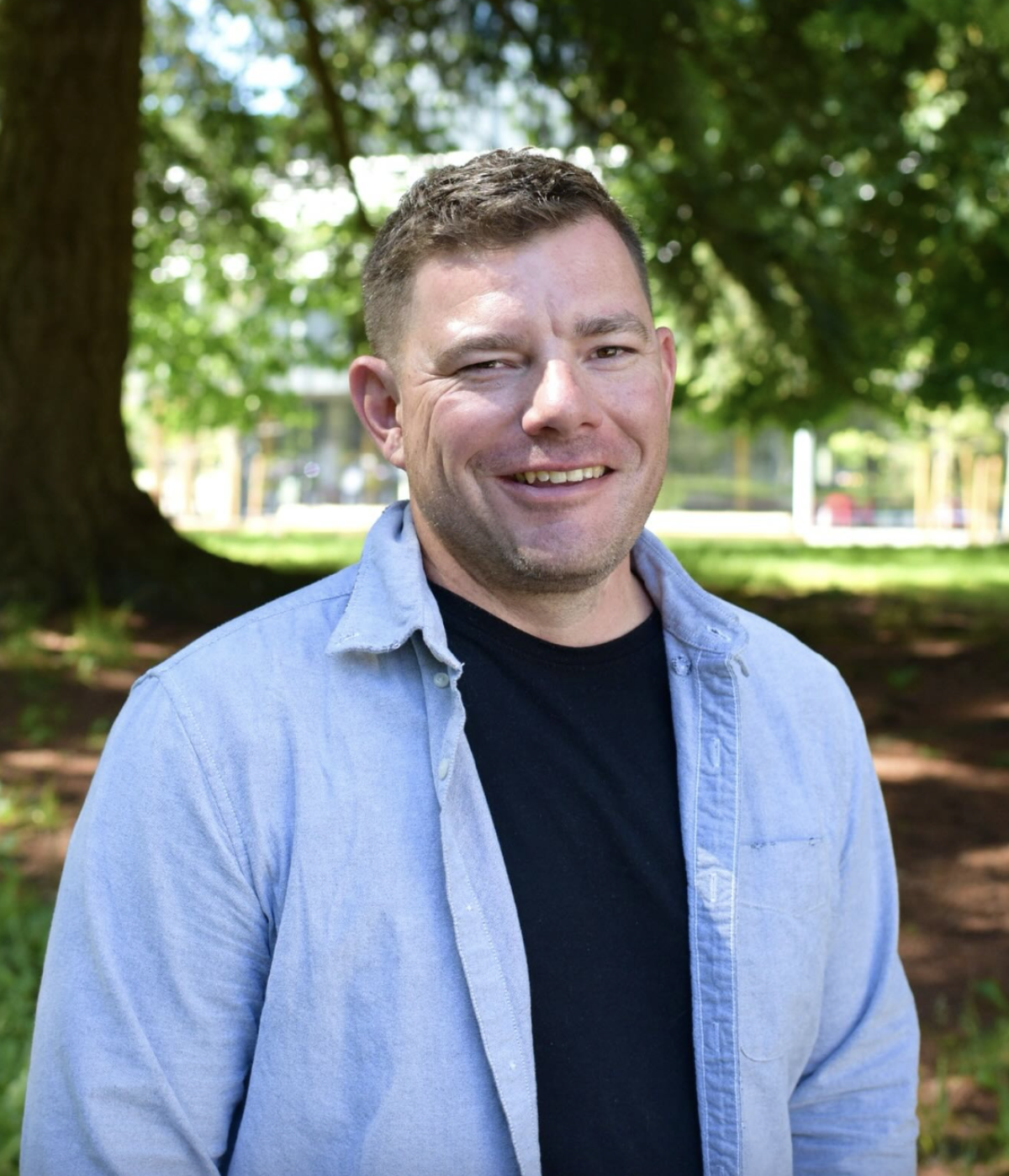
It took a lot of work for Tahohtharátye Joe Brant to become the University of Victoria’s first-ever PhD graduate in Indigenous Language Revitalization. But for him, it’s only a drop in the ocean of the life-long work it takes to keep the language safe.
“There are learners and teachers and speakers working hard today, and every day, to do language work,” he said. “All of these people need to be celebrated. It takes our whole nation, the whole population of all of our nation’s communities to do this work.”
Brant, who likes to say he’s “born, raised, resides, and will likely retire and expire” in Tyendinaga, charts his passion for the language back to his childhood, when language teacher Dorothy Lazore inspired him and other like-minded youth.
She was his teacher throughout high school and became a mentor and leader to many in the community at the time.
That seed of motivation to make the language strong was planted in Brant’s head and began to blossom more when he went to Queen’s University, where he got an education degree, ultimately working his way up to become vice-principal at the elementary school in Tyendinaga by 2010.
“I wanted to be a role model for teachers to keep learning,” Brant said.

With education at the forefront of his mind, Brant decided to get his master’s in Indigenous Language Revitalization from the University of Victoria, where he focused on learning about maintaining a Kanien’kéha-speaking home.
He and his wife, Tewahséhtha’ Brant, decided to homeschool their children, with each parent routinely switching and taking time off work to teach the kids their homeschool curriculum – and most importantly, Kanien’kéha. He’s proud to say that his children Tsyora’séhstha’ Brant, 17, and Yakowén:nare Brant,15, are first-language Kanien’kéha speakers.
“We’re passing this knowledge on to generations,” Tahohtharátye said. “There’s language activists and warriors and speakers and learners who have been at this for millenia, and we’re passing it on.”
In 2017, a part-time contract at Tsi Tyónnheht Onkwawén:na, Tyendinaga’s language and cultural centre, saw Tahohtharátye focus his time on language documentation, recording first-language speakers and helping others learn from the recordings.
It was that job that became the launching pad for him to enroll in the PhD program at the University of Victoria, which he started under the supervision of the late Dr. T’łat’laḵuł Trish Rosborough, and finished under the supervision of Dr. Onowa McIvor.
His final dissertation is titled Tó: nya’teká:yen tsi Entewà:ronke’: Onkwehonwe’néha Documentation for Advanced adult Kanyen’kéha Learning and asks how first-language Kanien’kéha speaker documentation can be used to support advanced proficiency development in adult Kanien’kéha language learning.



The topic is important for him, and Tahohtharátye believes it’s crucial that communities focus on reaching that advanced proficiency when formulating their language programs – the title of the dissertation itself translates to “let’s become gifted orators,” a phrase he learned from other first-language speakers.
“Our programs shouldn’t be producing someone that can be at the novice level where they’re identifying single words or phrases, or even the intermediate level, where they’re able to talk in short sentences,” he said. “I don’t think that should be the goal. The goal should be really high proficiency. When we set our goals that high, people achieve them.”
Brant hopes his research can help demonstrate the need for language programs to support thorough and advanced proficiency.
“We’re at this penultimate point in Mohawk language history where we can still glean a vast knowledge and experience from our first-language speakers,” he said. “People who were raised by first-language speakers and had first-language speaking aunties and uncles and friends and grocery store owners and fishermen.”
The need for first-language speaker documentation is pressing, he says in his dissertation, to preserve that knowledge and to put it to the best use for future generations. So too is taking the approach to language programs seriously, and urgently considering the efficacy of approaches.
“There has to be, in my opinion, some exclusivity placed on our language programs,” he said. “We have to take people that are showing the ability to reach these high levels, and we have to support them and their families to reach those high expectations.”
Sign up for email updates from The Eastern Door
With the PhD under his belt, Tahohtharátye is hoping to continue his work promoting and studying approaches to advanced proficiency for speakers.
“It gives me the opportunity to do more research, more documentation, to learn more from our speakers, and our teachers, and our learners,” he said. “Now that I have my PhD, I can really do more work. I can learn more. I can do more for our nation and our community.”
This article was originally published in print on September 13 in issue 33.37 of The Eastern Door.