Second cohort coming for McGill partnership
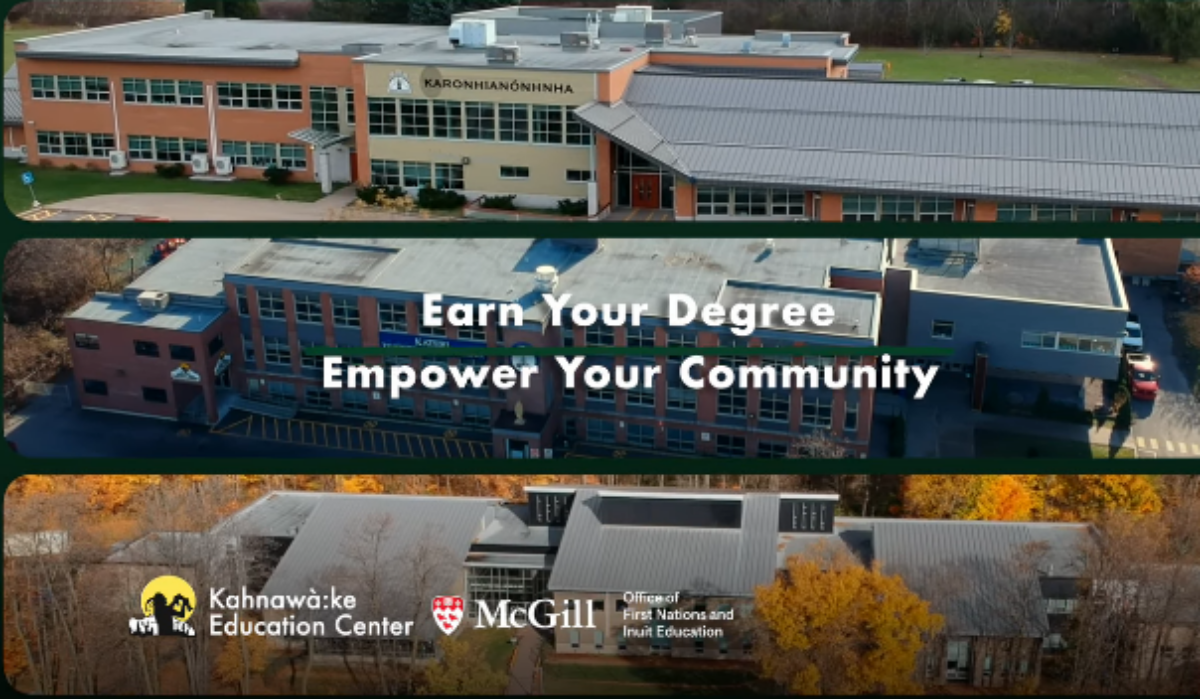
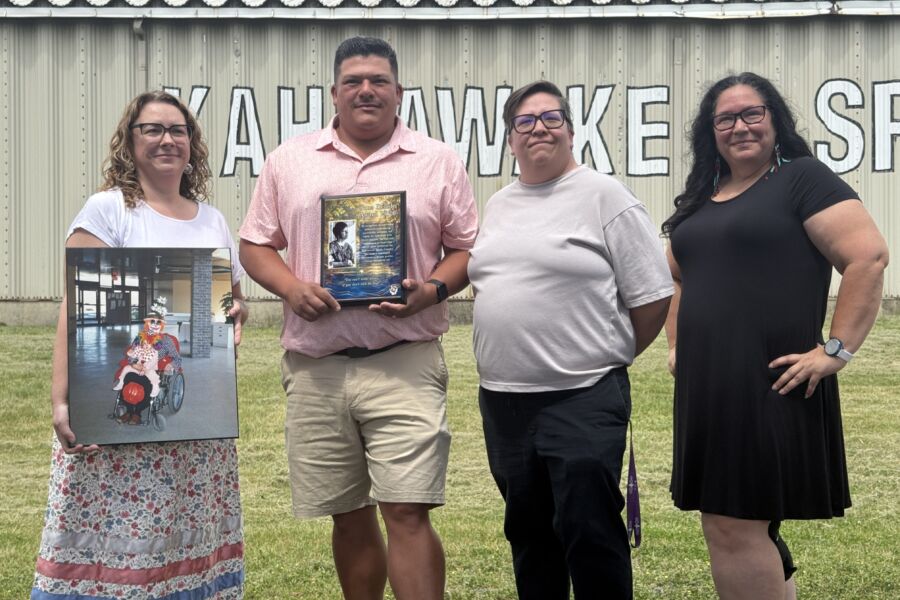
Courtesy Kahnawake Education Center
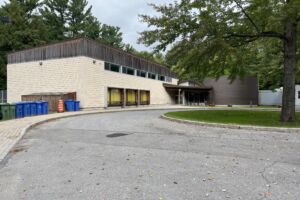
This fall will mark the return of the four-year, 120-credit bachelor of education program, with classes being given right here in Kahnawake.
This will be the second cohort of students who will take part in the program to become certified teachers in the province, done in partnership between the Kahnawake Education Center (KEC) and McGill University’s Office of First Nations and Inuit Education (OFNIE).
The classes will be given at night, which means that potential applicants who are already employed can keep working while they study.
“It also is good for our KEC employees, and actually all teaching employees within the community, and even those who are not currently teaching. They have the opportunity to work in the day and then to attend school in the community at night,” said Bethany Douglas, the KEC’s post-secondary distance counsellor.
Douglas said the program is open to anyone 23 or older, while anyone younger than 23 can also apply if they have a diploma of college studies (DEC). There are no other prerequisites.
“It could be that you have been working in the field of education, you just don’t have the certification. Maybe someone wants a career change, and we do already have applicants who are exploring a career change,” said Douglas.

“It’s really for anyone who wants to make a difference within our community schools and with our youth.”
The classes being given in Kahnawake and not at one of McGill’s campuses is important, as it keeps them accessible to community members, without having to deal with traffic or infrequent public transit to the city.
The curriculum is done in partnership with the university, with courses planned to fit the needs and wants of the KEC for teaching in the community.
“We always infuse our ways of knowing into the curriculum, so that students see themselves reflected in the curriculum. And, they are brought up to speed on the realities of teaching in our community,” said Douglas.
Michelle Kennedy, OFNIE’s interim co-director, said that each program is developed differently depending on where it will be taught - McGill partners with many communities in Quebec and Labrador, including Cree, Innu, and Inuit communities.
“It’s a very unique process in that it’s tailored and catered to the needs of the community,” said Kennedy.


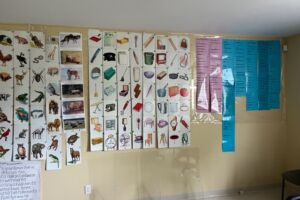
She said the courses are usually given by Indigenous instructors, with a strong emphasis and encouragement on speaking their language.
“As you can understand, there’s not a whole lot of people who are well versed and maybe advanced in teaching a language, and so we really rely heavily on the partners to source these individuals for their expertise, and we really appreciate the wisdom and knowledge that they bring to the program, because that’s not something that McGill could find on our own, if we’re being honest,” said Kennedy.
“We also amend or adjust the courses to be more culturally focused, and we work really closely with the partners to ensure that the courses are meeting the needs and are reflective of people that they serve. This is very different than what you would get on campus.”
Kennedy is expecting a cohort of 40-50 students in the fall, one of the largest in the more than five decades of OFNIE.
“We’re just really excited to see that and increase the number of teachers that are certified within that First Nation,” said Kennedy.
Potential applicants must first go through Douglas and the KEC, as they will apply with everyone whose application gets accepted after an internal review.
Sign up for email updates from The Eastern Door
“That way, your questions get answered in real time, and we submit the document right there with you, so it’s not a stressful thing,” said Douglas.
Applicants must submit a resume, a letter of intent, and the contact information of two professional references in hard copy at the KEC or by email to Douglas at [email protected] before April 1 at 4 p.m.