Council demands exemptions to counter-tariffs
Courtesy Wikipedia
Kahnawa’kehró:non shouldn’t be subject to the tariffs Canada has imposed on goods purchased south of the border, Mohawk Council of Kahnawake (MCK) grand chief Cody Diabo says.
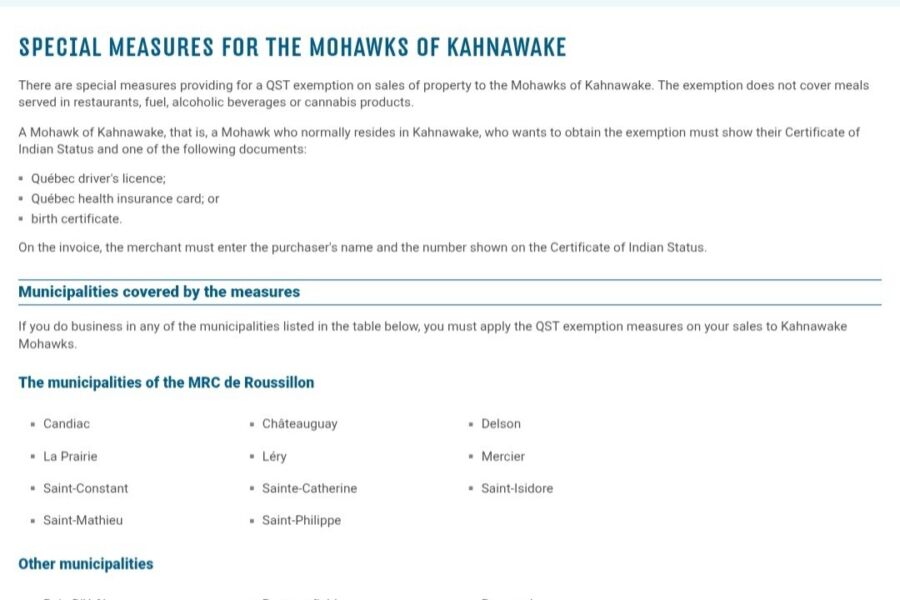
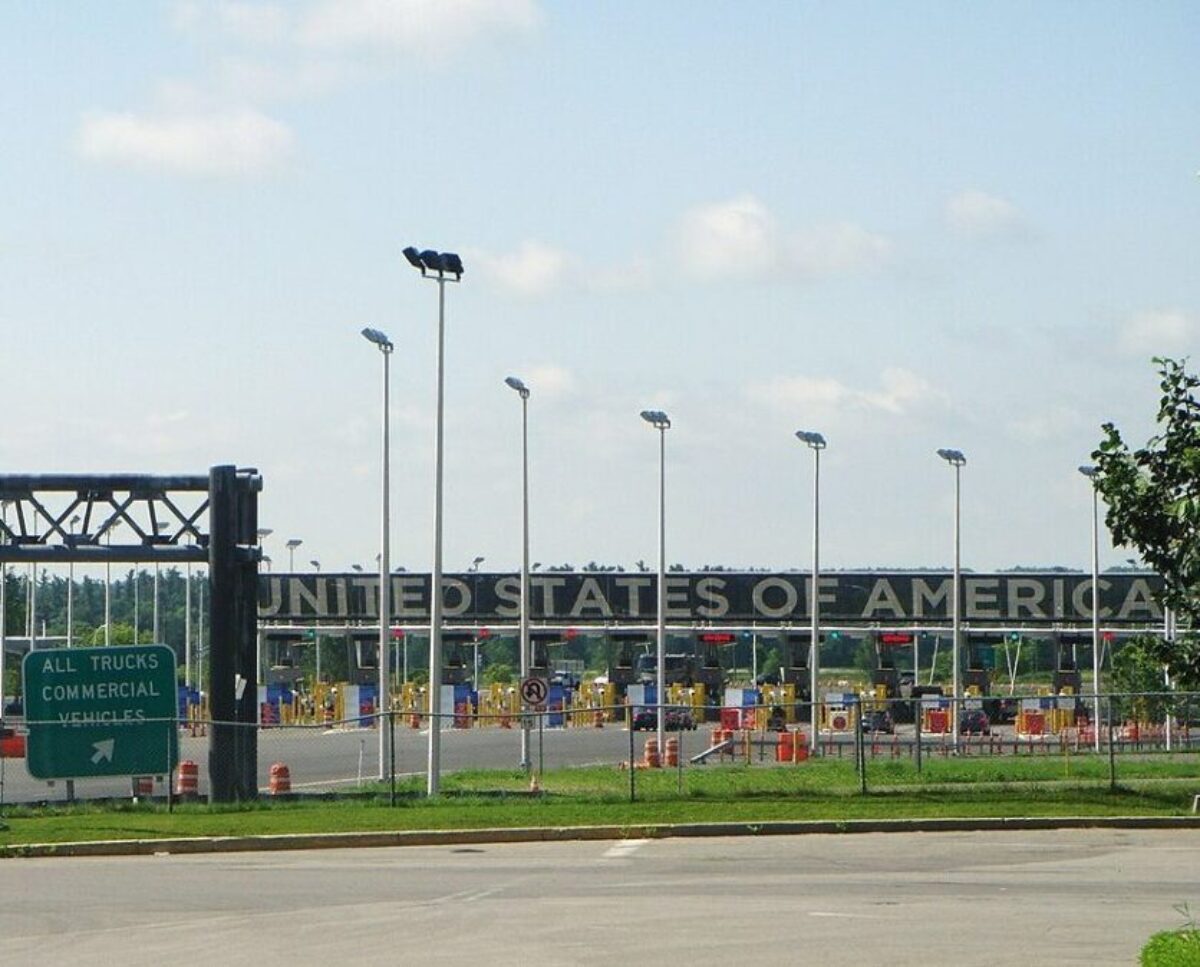
Since early March those returning to Canada from the U.S. have been subject to a 25 percent surtax on all new or used goods purchased there, regardless of whether they’re Onkwehón:we, something Diabo says needs to change.
“Our community members shouldn’t have to pay any of that,” he said.
He’s been trying to arrange a meeting with federal representatives in the hope of securing exemptions for locals, but said he was told discussions won’t be possible until after the election ends.
The last time he spoke with federal ministers regarding border crossings was back in October, when he met with then-immigration minister Marc Miller and Dominic LeBlanc, minister of international trade and intergovernmental affairs.

“We’re trying to work on getting an agreement in place,” Diabo said. “It shouldn’t matter how much we’re bringing back.”
The 25 percent counter-tariffs imposed by Canada come in addition to all the usual duties and taxes applied on new or used goods purchased in the US.
Exemptions apply in some instances, however. For those visiting for 24-48 hours, exemptions apply for up to $200 CAD worth of goods. For those returning from trips exceeding 48 hours, up to $800 CAD is exempt.
These exemptions don’t apply to all goods, such as tobacco or alcohol.
Clint Jacobs agrees Kahnawa’kehró:non should be exempt from the counter-tariffs.
“It’s not worth the exchange and everything. It’s just too ridiculous,” said Jacobs, also a Peacekeeper for over 30 years now.
He’d already been cutting down on shopping south of the border, saying the exchange rates have been a major deterrent for him.
“Once Donald Trump got in, got even worse,” he said. “You don’t really feel welcome there.”
He’s not confident the band council will be able to sway Canada to get exemptions in place.
“I don’t see it being all that successful,” he said. “It sounds like something that’s going to take quite a while.”
Sign up for email updates from The Eastern Door
Diabo said he’ll also be meeting with representatives from the US Department of Homeland Security this June in Washington, DC, to talk about concerns the Jay Treaty Border Alliance has surrounding border crossing in light of Trump’s election.
Diabo said the JTBA, which he participates in as a co-chair, is closely monitoring to ensure Trump’s executive orders don’t infringe on border crossing rights Onkwehón:we have in virtue of the 1794 Jay Treaty and subsequent court decisions.
According to the treaty signed between the US and Great Britain, Onkwehón:we have the right to pass freely between the boundary lines of both signatories. The 1794 treaty continues to inform America’s immigration law to this day.