Complaints process education campaign begins
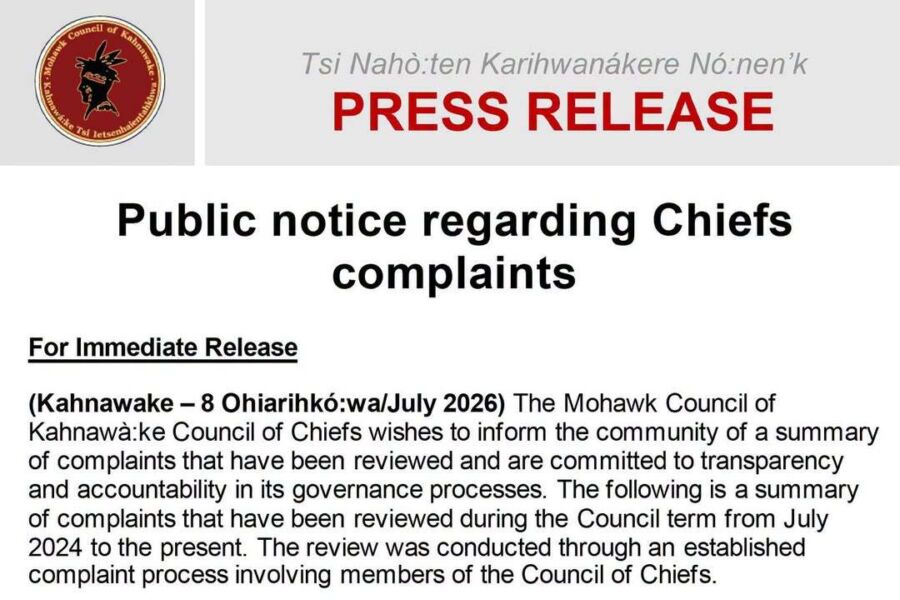
The Office of the Kahnawake Kanien’kehá:ka Registry (OKKR) has launched an education and outreach campaign with the goal of making sure the community is aware of the process regarding complaints regarding residency and eviction.
“The residency law has been a long time in coming. It’s been some years, actually, since it’s been created and tried to be implemented. Because it’s been such a long time, we need to reeducate the community that the law exists,” said Mohawk Council of Kahnawake (MCK) chief Jeremiah Johnson, who is the lead on legislation.
As the new complaints process and full implementation of evictions of those who do not fit the criteria of residing in Kahnawake will begin in April, Johnson said these community engagement measures also have the goal of making sure those who are currently not allowed to reside in Kahnawake know what is coming and, if applicable, how they can become legal residents.
“If you’re not on the KKR, then you have to apply to be on it. If you’re living on the reserve, you have to apply for approved residency. Otherwise, you should know you’re violating the law,” said Johnson.

“We want people to abide by our law. The entire community created this law in an open, inclusive process. It wasn’t a law that was created by MCK and imposed on the community. This is direct rule of the people.”
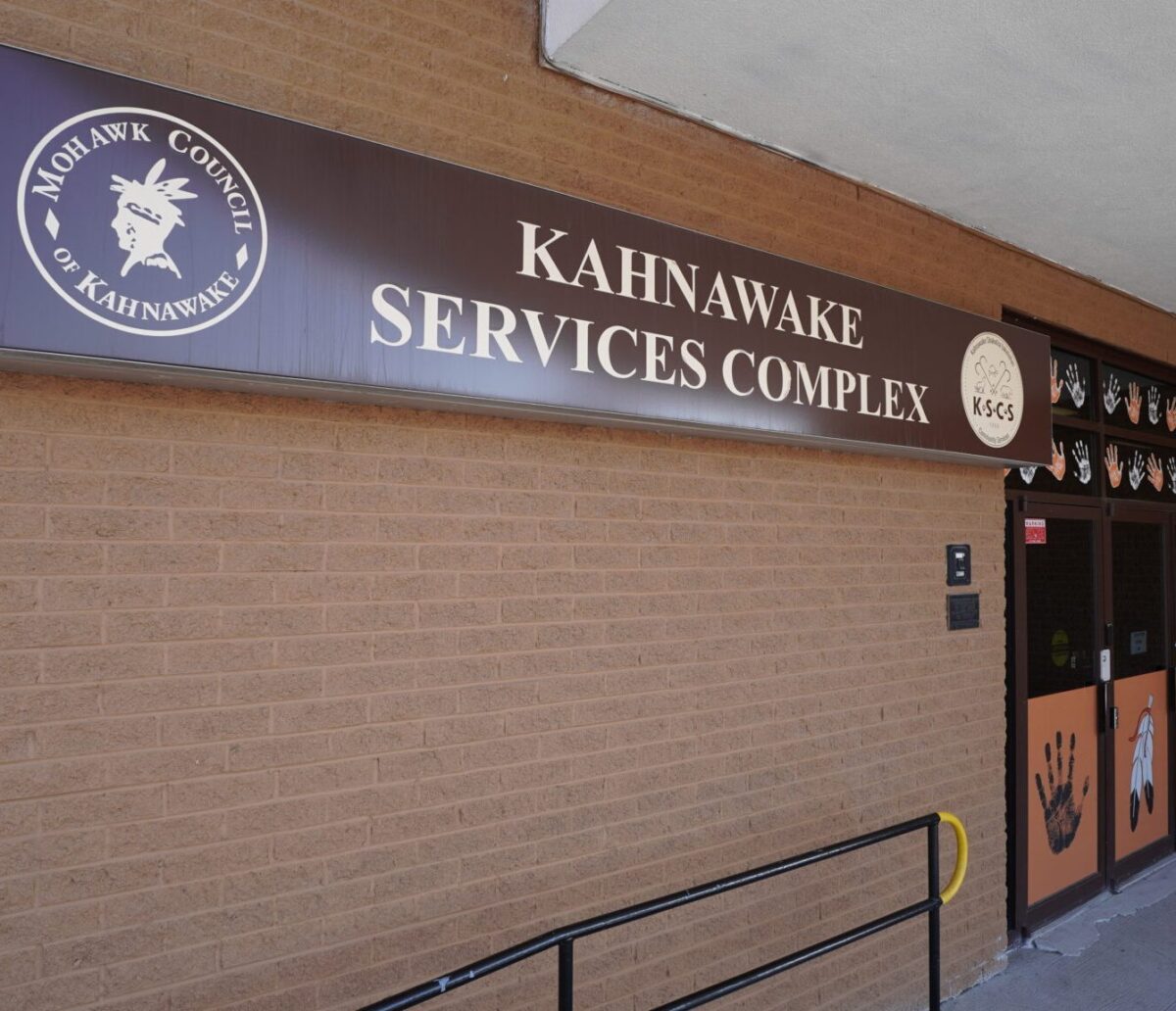
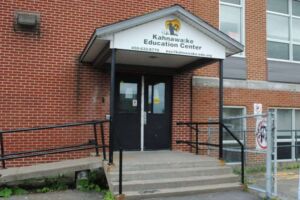
Part of the education campaign is an information kiosk in the Kahnawake Services Complex, the first of which was held last Friday from 10 a.m. to 2 p.m.
“A lot of people aren’t familiar with the process, with the law, and it is important for them to understand how it’s going to play out, how the complaints are going to work, how the law works moving forward,” said Kyle Jacobs, who was recently hired to be the residency compliance officer.
Jacobs, who was at the first kiosk, said that they had around 20 people come and ask questions and look at the documentation - including copies of the membership and residency laws, as well as the complaints form.
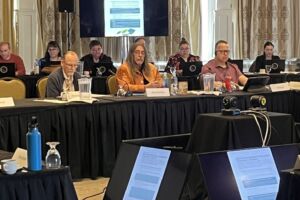

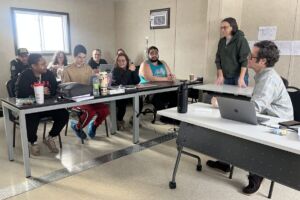

“The main focus was complaints, but some people did ask other questions,” said Jacobs.
“If it was about membership, the importance of being on the KKR, how to apply for membership, authorization, permits, anything that had to do with residency, we were there to answer questions.”
More information kiosks will be held prior to and after the official opening of the complaints process on April 1. They will be March 14, March 28, April 30, and May 8.
An information session will also be held at the Golden Age Club on Wednesday, April 16 from 6 p.m. to 8 p.m.
Sign up for email updates from The Eastern Door
Johnson said that getting the community engaged with the law-making process and educating them on what the laws are and how they will affect the community is important for the current council.
“Any way that we can engage the community is helpful, whether it’s through phone surveys, kiosks, community meetings, any way that we can get the community’s voice is very important to this table,” said Johnson.
“We are geared towards traditional government, and traditional government comes from the people. So that’s why we’re adamant about community engagement, education, and making sure that we involve the community as much as possible in these processes.”