Child welfare class action opens
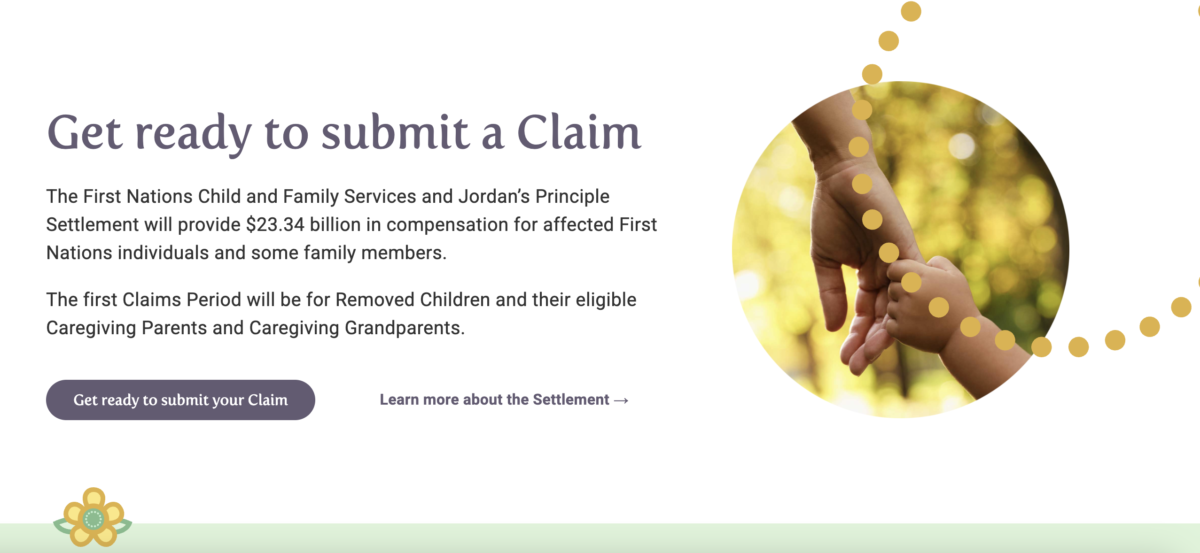
A class action settlement for Indigenous children and families involved in the child welfare system between 1991 and 2022 is set to open next month, with a Kahnawake-based liaison appointed to assist community members with submitting their claims.
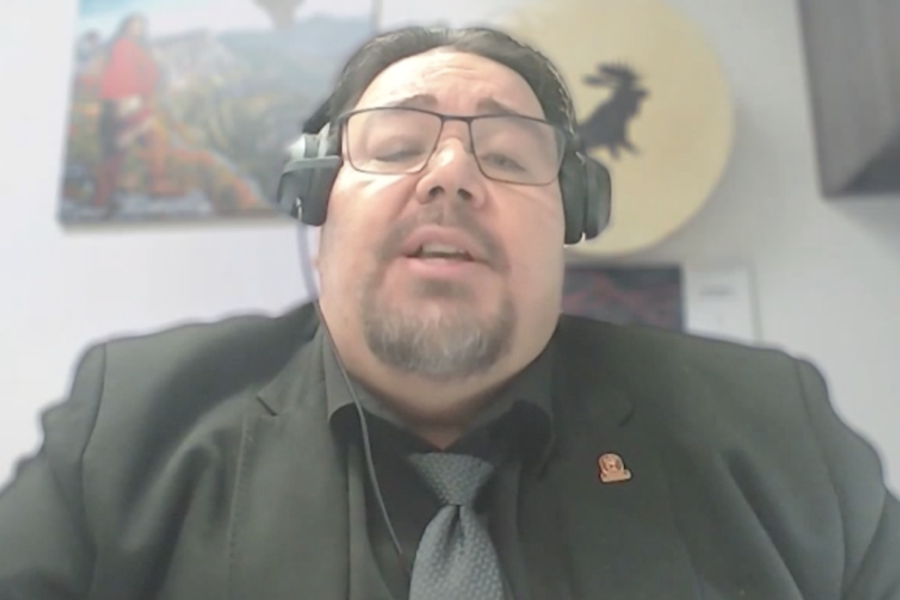
“If any child was placed either in a foster home or a group home, or in institutional placement like Batshaw, all of it would qualify under this compensation,” said Kahnawake Shakotiia’takehnhas Community Services (KSCS) executive director Derek Montour.
The $23.4 billion settlement was approved by Canada in 2023, aimed at compensating children and families harmed by the chronic-under funding of on-reserve child welfare services.
The settlement agreement came on the heels of a Canadian Human Rights Tribunal (CHRT) ruling that ordered Canada to commit to both compensating victims of the child welfare system and reforming the system in its entirety.

The latter component remains uncertain, with chiefs at the Assembly of First Nations (AFN) voting to reject the proposed $47.8 billion reform settlement, arguing that it doesn’t go far enough. Chiefs in Ontario have been continuing to negotiate an independent deal with Canada in the meantime.
The compensation component of the settlement agreement, however, is expected to see approximately 350,000 First Nations children and their families who experienced discrimination within the child welfare system receive money from the government in acknowledgement of their experiences.
The continued debate concerning the reform settlement doesn’t impact the compensation aspect for those affected.
Community members can make claims directly, or can speak with Louise Mayo, who KSCS has hired to be a liaison throughout the process. She will be able to provide those making claims with more information and support them through the often emotional process of submitting documentation - something she is well equipped for given her experience as the Indian Day Schools Settlement project coordinator for the Mohawk Council of Kahnawake (MCK).

Part of that support will include connecting claimants with KSCS resources that can help them process what they’re going through.
“Louise will have the support of KSCS for people that may be triggered, having potentially to relive some of the challenges that they may have experienced,” said Montour. “Some community members may still harbour anger and are upset by the decisions that were made in their lives, and this way Louise can ensure that they’re getting the support that they need.”
The first claims period for the class action is set to open on March 10, which is for the Removed Child class and Removed Child Family class, two of nine different classes eligible for compensation.
Those two classes include children removed from their homes as children between April 1, 1991, and March 31, 2022, while on reserve and put in care funded by the Canadian government, as well as their caregiving parents and grandparents.
Sign up for email updates from The Eastern Door
Other classes include the Jordan’s Principle class and Jordan’s Principle Family class, which cover children and their families who suffered trauma due to a delay, denial, or service gap for an essential service from the Canadian government while they were a child, between December 12, 2007, and November 2, 2017.
The amount of compensation that a claimant will receive varies depending on the situations they experienced, but generally claimants can expect between $20,000 and $40,000. It’s not yet clear how long it will take for applicants to receive that compensation, though it could be as early as six months for claimants in the Removed Child class.
A spokesperson for the settlement told The Eastern Door that help is also available to complete the relevant forms online, with step-by-step guides and videos available at FNChildClaims.ca. Claims helpers will also be available for those needing one-on-one support, and free mental health and wellness support is available 24 hours a day at HopeForWellness.ca or 1-855-242-3310.