Canada greenlights river study
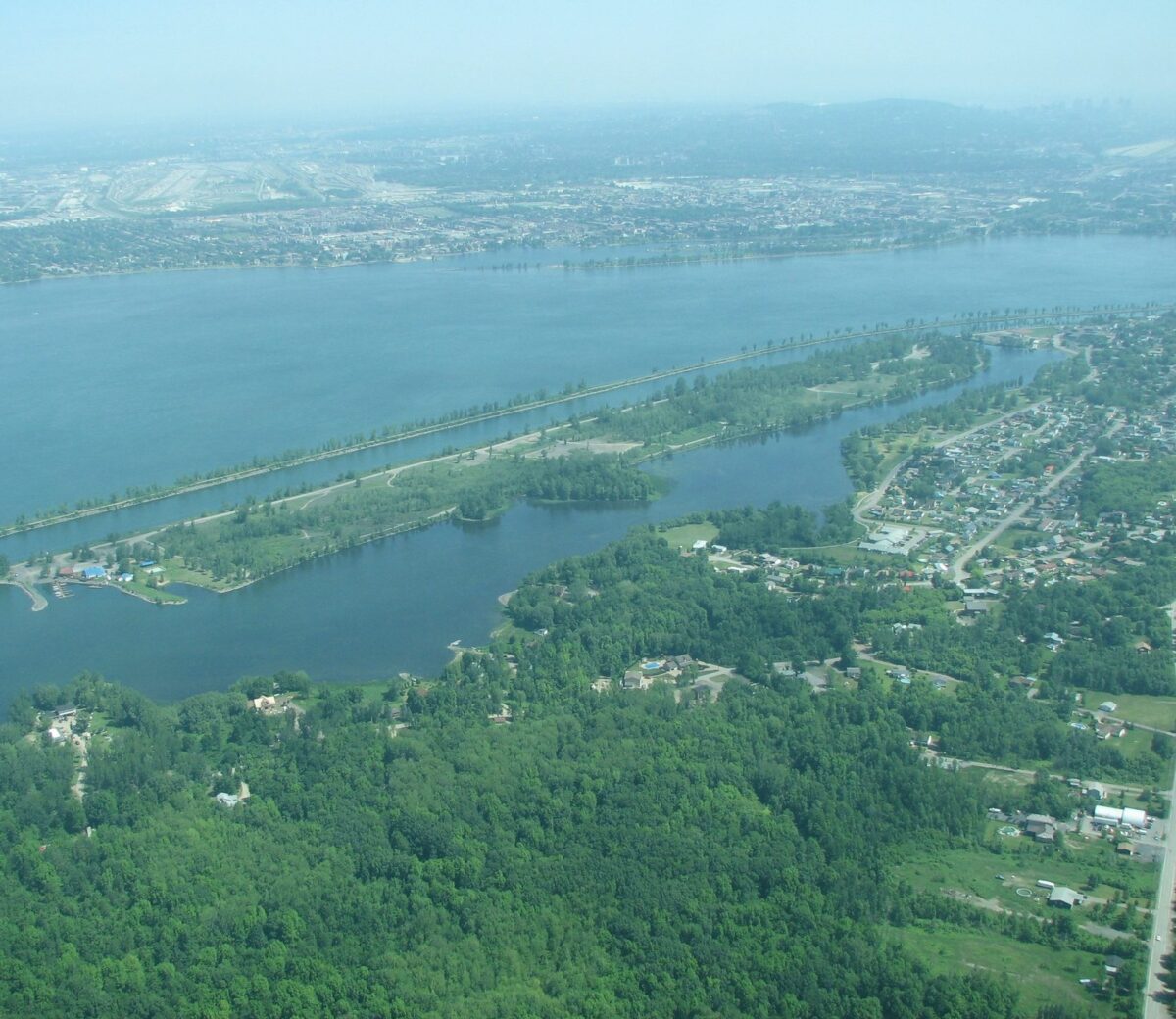
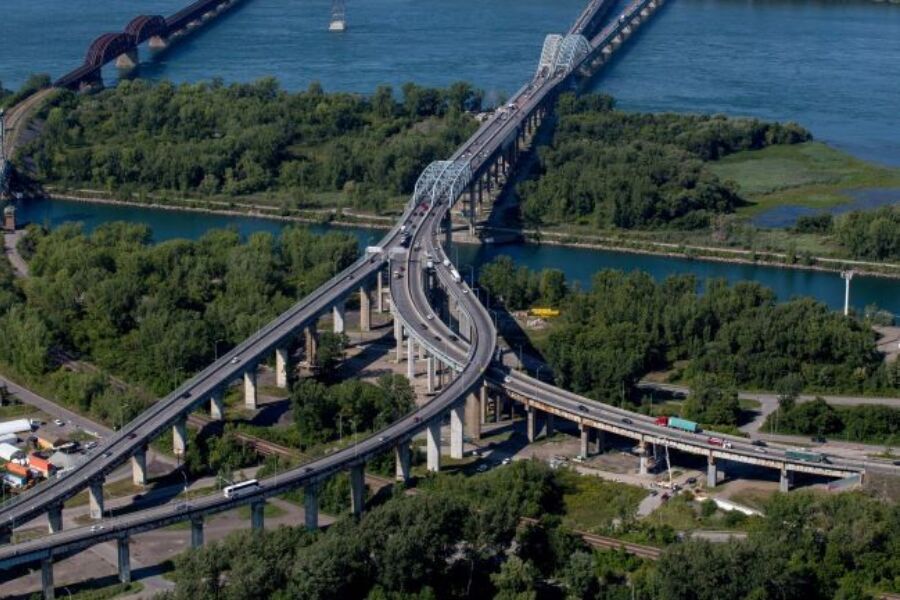
A regional assessment study of the St. Lawrence River has now been authorized, after a request for one was put in by the Mohawk Council of Kahnawake (MCK) back in 2020. One of the goals of the coming study will be to analyze the extent to which decades of development along its shores has impacted Kahnawa’kehró:non from exercising their rights.
Canada’s environment ministry approved the request in 2021, but it still took a considerable amount of time before the federal assessment agency and MCK got to ironing out the purpose, scope, and deliverables of the project.
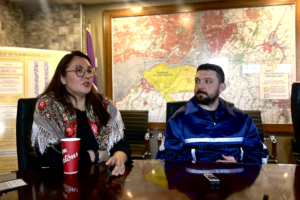
Patrick Ragaz from the Kahnawake Environment Protection Office (KEPO) said the decision to request the regional assessment came following discussions at the MCK’s consultation committee. It advises Council whenever it undergoes consultations with Quebec or Canada.
“We were noticing that there were a lot of project-based environmental assessments that were advancing on the river, including a lot of port-expansion projects,” said Ragaz, who sits on the consultation committee. “We were really concerned with the cumulative effects of all of these different projects.”

Those cumulative effects have yet to be studied in depth, leading to push to get a wider regional assessment carried out. Ragaz said he hopes to see the assessment underway by the summer, a process he said will last at least the next three years.
“We’ve been asking for a cumulative effects evaluation that would look at all of the impacts that have already occurred to the river from development in the past, and how all these different projects relate to one another.”
Three priority areas have been identified, according to a draft of the study’s terms of reference. In addition to assessing how Indigenous Peoples’ ability to exercise their rights on the river has altered over the decades, the study will also consist of analyzing historic environmental impacts to the river, in addition to changes in the “health, social, cultural, and economic conditions” of the populations that surround it.
“The regional assessment will be based on collecting existing information that is already out there. There won’t necessarily be new data gathered directly on the river,” Ragaz explained.
That said, there’s the chance that process might reveal the need for more surveying.
“Part of that might be identifying data gaps that might actually require more on the ground data collection, and then developing a series of recommendations on how to move forward in a way that’s going to help us achieve better outcomes for the river,” he said.
The regional assessment will be led by a working group made up of federal officials and the MCK’s consultation committee, Ragaz said, meaning KEPO will play a part in leading the project.
Community members interested in learning more about the scope of it can do so by reading a draft version of the regional assessment’s terms of reference. It can be found on Impact Assessment Agency of Canada’s web portal, under the webpage titled “Regional Assessment of the St. Lawrence River Area.”
Sign up for email updates from The Eastern Door
Those who want to provide their input regarding the direction of the assessment can also do so until March 25. Comments can be shared through the agency’s web portal for the project, or through reaching out directly to KEPO, at [email protected].