Autocrats love distrust in media
Megan Kanerahtenha:wi Whyte The Eastern Door
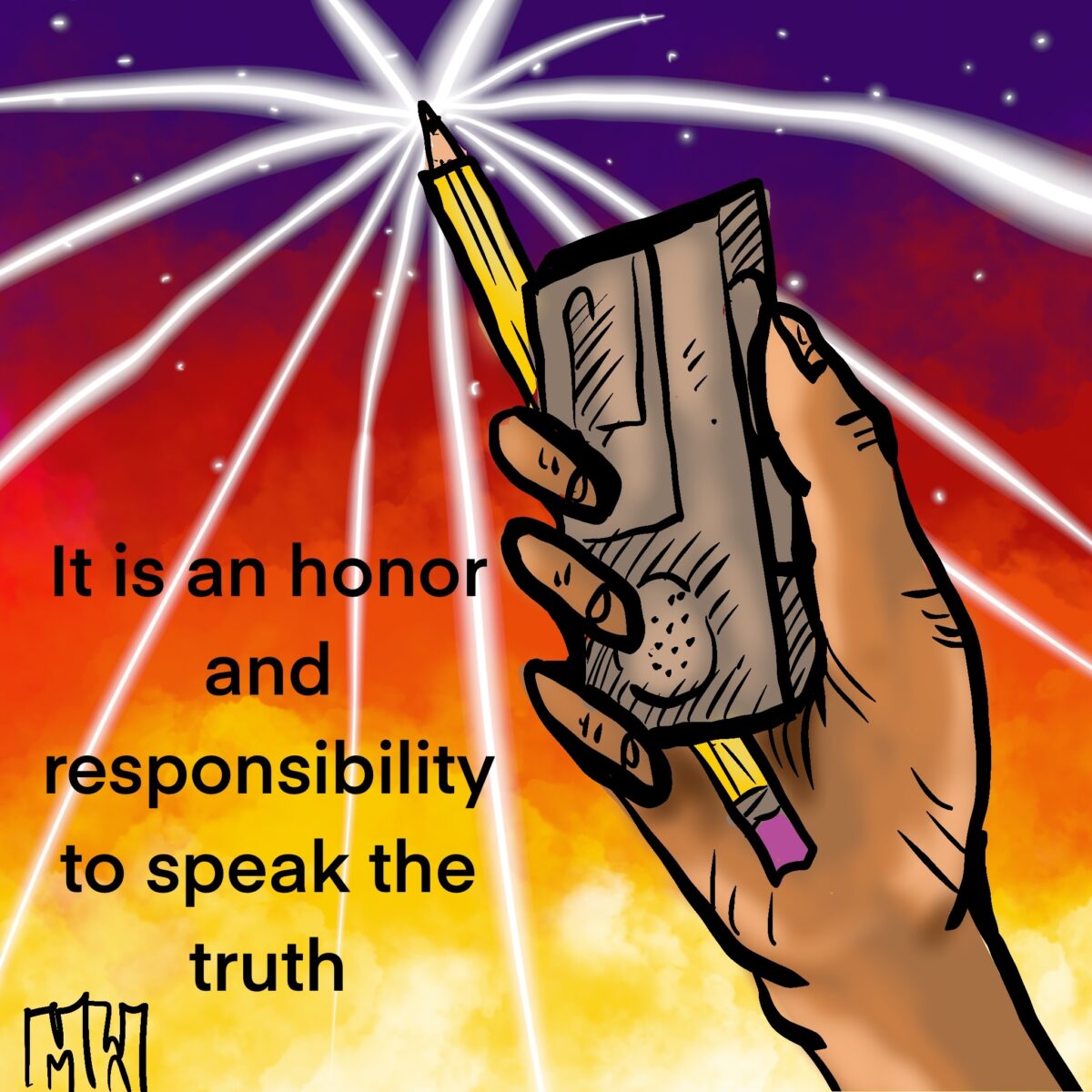
As media, our job comes with a grave responsibility, and if we don’t take that seriously, we don’t belong in the business.
A lot of people might assume we favour stories that “sell newspapers,” but nothing could be further from the truth. Sales numbers don’t cross the minds of journalists in the field, at least not ours - besides, no one in their right mind is in community journalism for the money.
We believe if we do our jobs right, week after week, and make ourselves accountable when we miss the mark, we have the opportunity to earn the community’s trust. This trust is the only currency that matters to us, because this is what keeps us in business, not scandalous headlines.
We like to think we’ve built up a lot of trust over the years - trust not only that we’re in it for the right reasons, that we’re fair, but also that we’re curious, which is to say, we don’t shy away from a tough assignment or a hard question.
We can’t help it when we have to report on a scandal and dig deeper because that’s what we owe our readers. Likewise, we don’t print everything we hear.
Every week we’re writing stories that impact people’s reputations, and we don’t take that lightly because a reputation is precious and deserves to be handled with care and good judgment. We know a thing or two about that because we put our own reputations on the line every week when we sign our names to our articles.
But these days, distrust in media is like the boxelder bug in fall in Kahnawake - which is to say, it’s all around us.

That means we have to hold ourselves to the highest standard, constantly evaluating our work, our habits, and how we advance our commitment to public interest, writing not for the gratification of our egos but for the empowerment of the reader.
But, as is clearer than ever, the future of the public interest depends not only on skilled journalists working in good faith, but it requires also a discerning readership, viewership, or listenership. Media literacy is one of the most important skills a person can develop to effectively navigate these modern times.
Misinformation was bad enough a few years ago, but all of a sudden we live in an age where you don’t know if that video you saw came from the lens of a camera or the whims of generative artificial intelligence.
Thousands of articles can be spun out of thin air in a moment and posted online without a human so much as reviewing it, let alone writing it. The same is true of your cousin’s Facebook post or your brother’s workout advice.
Add to this a climate of unprecedented polarization, algorithms feeding people what they want to hear, and newspapers bleeding money, and you have a recipe for disaster.
We can’t help but make these reflections, being journalists ourselves, when we see the concerted efforts in Trump’s US of A to disparage, silence, and control the media. He’s downright normalized it. (That’s to say nothing of the consolidation of media companies - traditional and social alike - that should alarm us all as the world’s richest people race to buy up broadcasters and social media companies in a bid to manipulate the masses.)
We all remember the debacle with the government pressuring ABC to cancel Jimmy Kimmel last month. Just this week, at the Department of Defense (rebranded the Department of War this year), the US government was hard at work trying to force reporters only to seek and report information that is approved for release by the Pentagon.

Think about it: war without inquiring journalists. Danger, and often death, faced the journalists in Gaza who put their lives on the line to show the world the atrocities committed there.
But these stories and images are one reason there has been so much pressure to implement a ceasefire, and why there will continue to be pressure to enact a just and lasting peace.
Meanwhile, this week in the US, where journalists are derided as the “enemy of the people,” any media outlet that refused to abide by the War Department’s rules had its press credentials revoked. But it’s the journalists who would even consider agreeing to that arrangement who should have their credentials taken away from them.
Awaiting and rewriting press releases isn’t journalism.
Meanwhile, it’s not only at the highest levels of government and industry that powerful individuals or groups may have less than forthright motives.
Muddying the waters is the oldest trick in the book, and in this Trumpian age, there’s a lot of mud out there, and a lot of tools with which to sling it. It’s a lot easier to cast doubt on a story than it is to answer the information it reveals; to baffle minds with the illusion of a point than it is to address something head on; or to shut out the media and call it one-sided rather than explain your position.
But people in power have a responsibility to the people to speak anyways, not in polemics or chatbot screeds, but in honest language in the pages of good faith news outlets like ours. After all, it’s often journalists who are in the position to ask tough questions, the questions the people would ask if they had the chance.
Sign up for email updates from The Eastern Door
And it’s journalists who break the big stories, uncover corruption, and fight for the truth, in spite of governments pushing to suppress.
That’s not to say journalists and media outlets are infallible - far from it. The Eastern Door itself was founded because of the failures of the media to value Indigenous perspectives.
We have no illusions about our role. It’s not only journalists who have the power to hold leaders accountable. That power lies with the people, if they are well informed.
In turn, through tough deadlines and breaking news and all the other things that make our job hard, we are responsible for continuing to earn the trust that makes our job meaningful, and our work worthy of discerning readers.
TED Staff