A lifetime of advocacy recognized
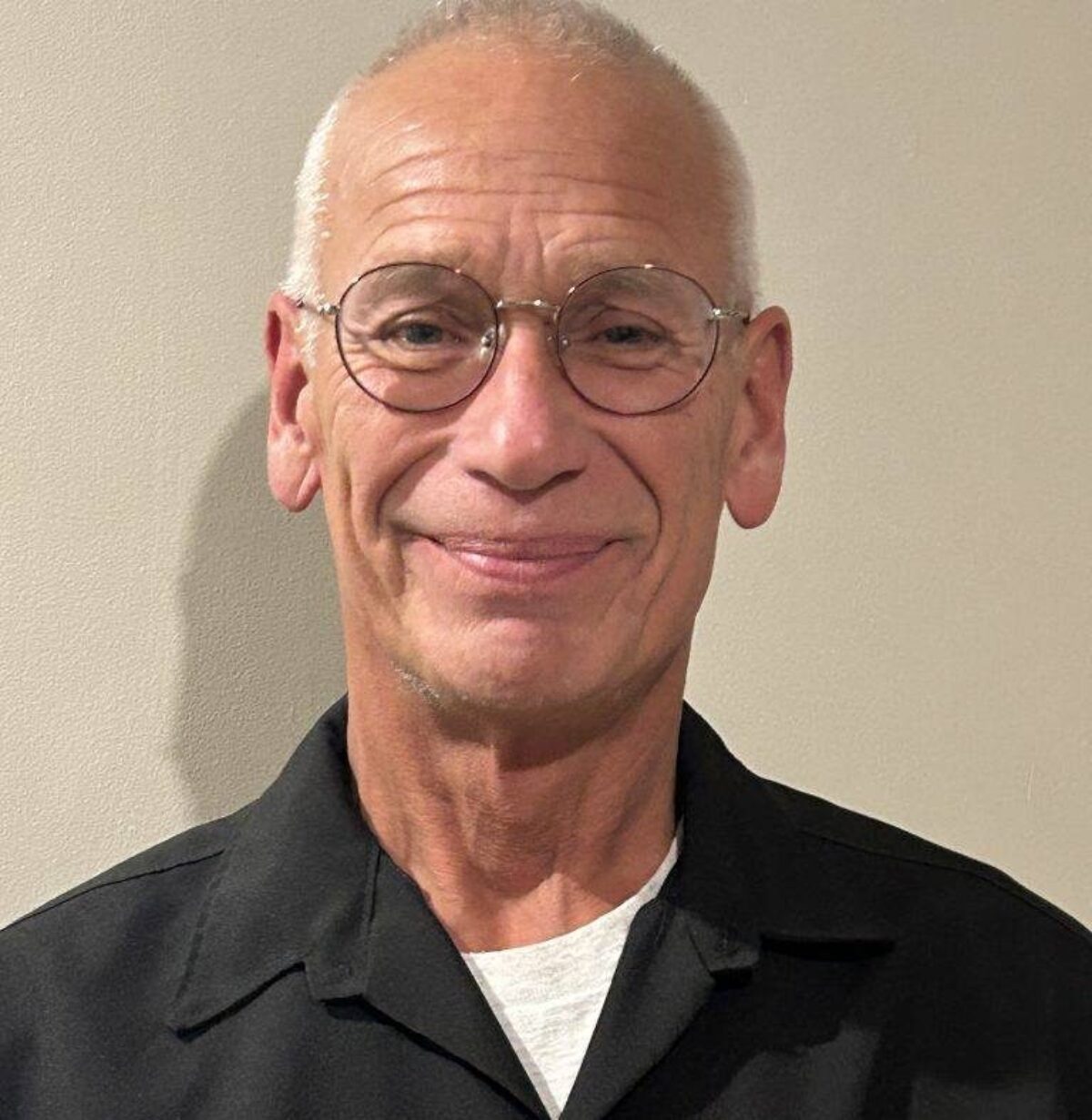
Alex McComber now holds an Indigenous health advocacy lifetime contribution award, a title granted to him this week by the Association of Faculties of Medicine of Canada (AFMC).
The associate professor was nominated by his colleagues in McGill University’s department of family medicine, he said. He’s taught the department’s course on Indigenous perspectives in health research for the last five years now, a graduate-level course.
“I’m very, very honoured and very proud to be acknowledged and recognized for the work that I’ve done in cultural safety and with Indigenous cultural safety, working with medical students and residents and teaching them about Indigenous peoples’ ways, our history, our ways of knowing and doing,” McComber said.

“It’s just been an honour to be part of helping to transform the academy so that our people and future generations receive not only better care and treatment, but also equal opportunities to participate in the health process, in the healing process, and in learning and research.”
The health advocacy lifetime contribution award is given out in recognition of those who’ve made “outstanding contributions to support work related to the health of Indigenous peoples or Indigenous medical education over the course of the nominee’s life,” according to the AFMC.
“This award recognizes the outstanding dedication of an individual or faculty member towards the dismantling of anti-Indigenous racism,” the AFMC wrote, “and the advancement of cultural safety, advocacy, health equity, and wellness of First Nations, Metis, and Inuit people.”

The Kahnawa’kehró:non was behind the creation of the Indigenous Program housed within the department, which he’s co-run alongside his colleagues Dr. Brittany Wenniserí:iostha Jock, Dr. Richard Budgell, and Dr. Sarah Konwahahawi Rourke. The program has been active for the last five years and works to facilitate the sharing of Indigenous teachings and knowledge within the department.
“The Indigenous program is mainly an opportunity of exchange,” McComber said. “Learning about Indigenous Peoples, about our history, about our current situation, and also about the efforts that we make to bring our knowledge and ways forward.”
He often co-teaches courses or comes in as a guest lecturer, he said. Next week he’ll be meeting with medical residents in oncology and radiation to provide a workshop on cultural safety, for instance. He’s also contributed toward the development of some of the courses in McGill’s School of Population and Global Health, he said, which have been updated to reflect the importance of cultural safety.
Sign up for email updates from The Eastern Door
McComber said it’s all about “broadening the circle of people who are learning about what’s needed when you want to work with Indigenous peoples and communities,” whether that be through “delivering respectful, safe care,” or “engaging in research opportunities.”
The AFMC also recognized him for his lifelong dedication to the prevention of diabetes. From 1994 onward he worked as intervention facilitator for the Kahnawake Schools Diabetes Prevention Program (KSDPP) alongside Rhonda Kirby, where he remained until about 2005. He still contributes to the program as a research team member and volunteer consultant, he said.