Working group meeting on pause
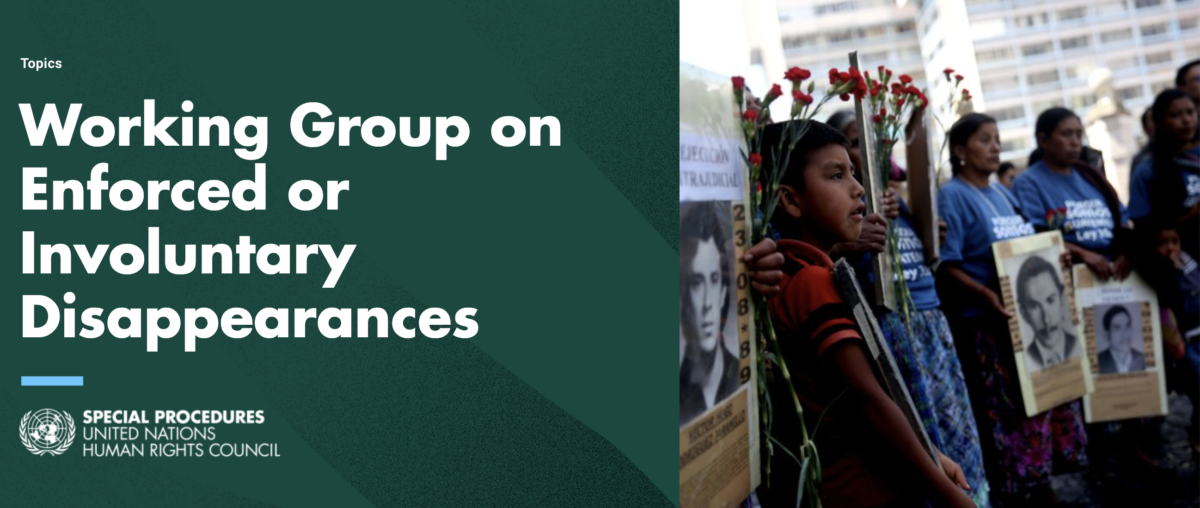
The United Nations Working Group on Enforced or Involuntary Disappearances said that due to financial problems within the UN, their scheduled visit to Canada is currently pending. Courtesy WGEID
A visit from the United Nations Working Group on Enforced or Involuntary Disappearances (WGEID) that is meant to take place in Canada before the end of June next year may be put on hold, as a result of a funding crisis within the UN.
According to WGEID records, a visit was requested by Canada on February 20, 2024 for the second half of that year. The group accepted that visit request in October 2024, with the visit period set from June 1 2025 to June 30 2026, meaning the group was expected to visit any time during that period.
In an email to The Eastern Door the WGEID Secretariat said the visit is being affected by the liquidity crisis currently being faced by the UN - as of May this year, the UN was facing a shortfall of around $5 billion, due in part to unpaid regular budget dues.
Part of that shortfall comes from the United States, which according to UN documents, owes close to $1.5 billion. Other member states responsible for large deficits include China, at just under $600 million, and the Russian Federation, which owes just over $70 million, among others.
“The Working Group received country visit invitation from the Government of Canada, however, owing to the liquidity crisis affecting the UN secretariat and the work of the Special Procedures of the Human Rights Council, the visit is currently pending,” the WGEID told The Eastern Door.

The WGEID said that due to the pending nature of the visit, information is not available on what would be discussed.
“The subjects to be covered, as well as places to be visited during a country visit, are notified to the State when the concrete organisation of the visit reaches an advance stage: this did not happen in the case of Canada, and therefore we are unable at this stage, to provide information in this regard,” the email continued.
Kanehsata’kehró:non Kimberly Murray previously served as the federal point person for Missing Children and Unmarked Graves and Burial Sites associated with Indian Residential Schools, working as the independent special interlocutor from 2022 until late 2024.
She said that she was never told anything about the potential visit from the WGEID, despite the visit request being accepted by the group right before the publication of her final report.
“The fact that the Working Group wants to visit Canada I think is an important decision that’s been made, because they wouldn’t come to Canada if they didn’t believe that there are disappeared people in this country,” Murray said.

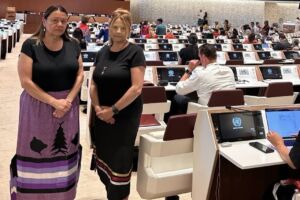
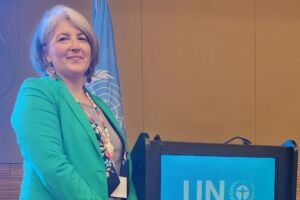

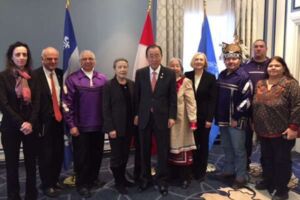
Murray plans to write to the WGEID and tell them that when they do visit Canada she wants to meet with them - she had shared her report with UN bodies including the WGEID and attached a letter upon completion of her mandate, but she no longer has access to those communication channels from her tenure as special interlocutor.
She said that part of her letter advocated for “decolonizing the UN” and emphasized that Indigenous nations are sovereign and a group doesn’t need Canada’s permission to come here.
Should the WGEID visit Canada, it could lead to more support or increased recommendations regarding the search for unmarked graves and “disappeared” Indigenous people, Murray said.
“To have the WGEID come here and write a report and say, ‘Canada disappeared people,’ would be some sense of justice and accountability for survivors and communities,” Murray said.
“Once a body like that makes that finding, they would monitor Canada and make recommendations for how to support families and communities finding disappeared people, which would include providing the support financially that they need.”
Sign up for email updates from The Eastern Door
Representatives for the federal government did not respond to The Eastern Door’s request for comment by publication deadline.