What’s in a name?
Megan Kanerahtenha:wi Whyte The Eastern Door
Anonymity: it’s a request we get all the time in journalism - one we nearly always decline. A lot of folks are shy to go on the record for any number of reasons, and while some are gravely serious, many more are, well, less so.
We get it - after all, our names are attached to most everything we do, and sometimes that can be nerve-wracking. Some people might think journalists put their names smack at the top of their work because of their journalist-sized egos, but believe it or not, there is a nobler reason this has always been common practice in newspapers.
We relish boasting about the accomplishments of community members, but not every article we write is roses and sunshine, and putting our names on our articles is a way of saying we stand behind our words, that we’ve done our due diligence on tough stories in the public interest. And it’s a way of communicating that if you don’t feel you’re being treated fairly as the subject of an article, you know with whom to raise your concerns.
We put our names on the purely positive articles, too, of course. After all, even writing about pleasant things requires credibility.
An editorial, of course, is the position of the newspaper itself, and can be considered the newspaper’s words; our editorial direction comes from editor/publisher Steve Bonspiel.
Likewise, when our readers take the time to write us letters to the editor - and let’s face it, roses and sunshine aren’t usually the topic - we do everything we can to ensure it gets in our pages, but one way to ensure it doesn’t? Sign it “Anonymous.”
That’s because if someone has a problem with something, the readers deserve to be able to discern whether that person might have a conflict of interest or questionable motivation - and even just helps make people feel comfortable we’re not manufacturing public opinion. Trust is everything in this business.

Knowing who someone is not only helps ensure they are accountable for their words, but it also gives the reader an idea of where that person’s coming from, thus making their input more valuable - and more likely to change hearts and minds.
That’s not to say we don’t believe there’s a role for anonymity, of course. At The Eastern Door, we have published not only articles that include anonymous sources, but even a full-fledged anonymous Q&A with a code-named figure, albeit one who was making waves from coast to coast.
Why? Like most things, it’s a balancing act. The Canadian Association of Journalists’ guidelines say anonymity requires that “the material gained from the confidential source is of strong public interest, and there is no other reasonable way to obtain the information” and that there is a “clear and pressing reason.”
This is typically some variation of “The source may suffer harm if their identity is revealed,” as the Quebec Press Council puts it.
With this complex mix of considerations in journalism, which has clear guidelines, it should come as no surprise that on social media - a free-for-all when it comes to facts, libel, and pretty much everything else - anonymous posting pops up a lot.
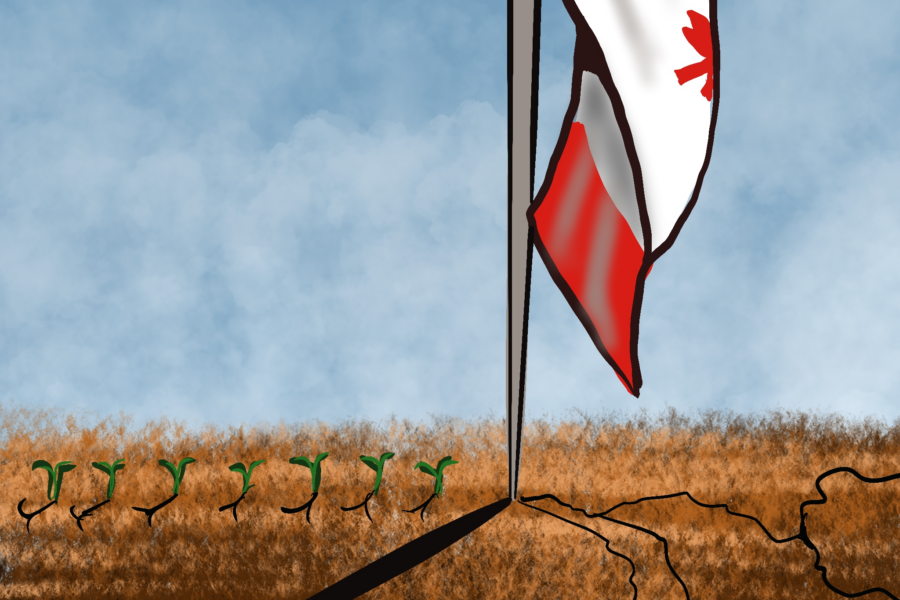
Lately, we have watched it run rampant, however, especially in Kanesatake, where everything is a controversy, and where concerns about safety are, unfortunately, very real.
It began as posts calling out the cutting of pine trees to make way for the expansion of cannabis enterprises. Some of these businesses are well known for bringing in outsiders and crime, and intimidation is one tool at their disposal to keep it that way.



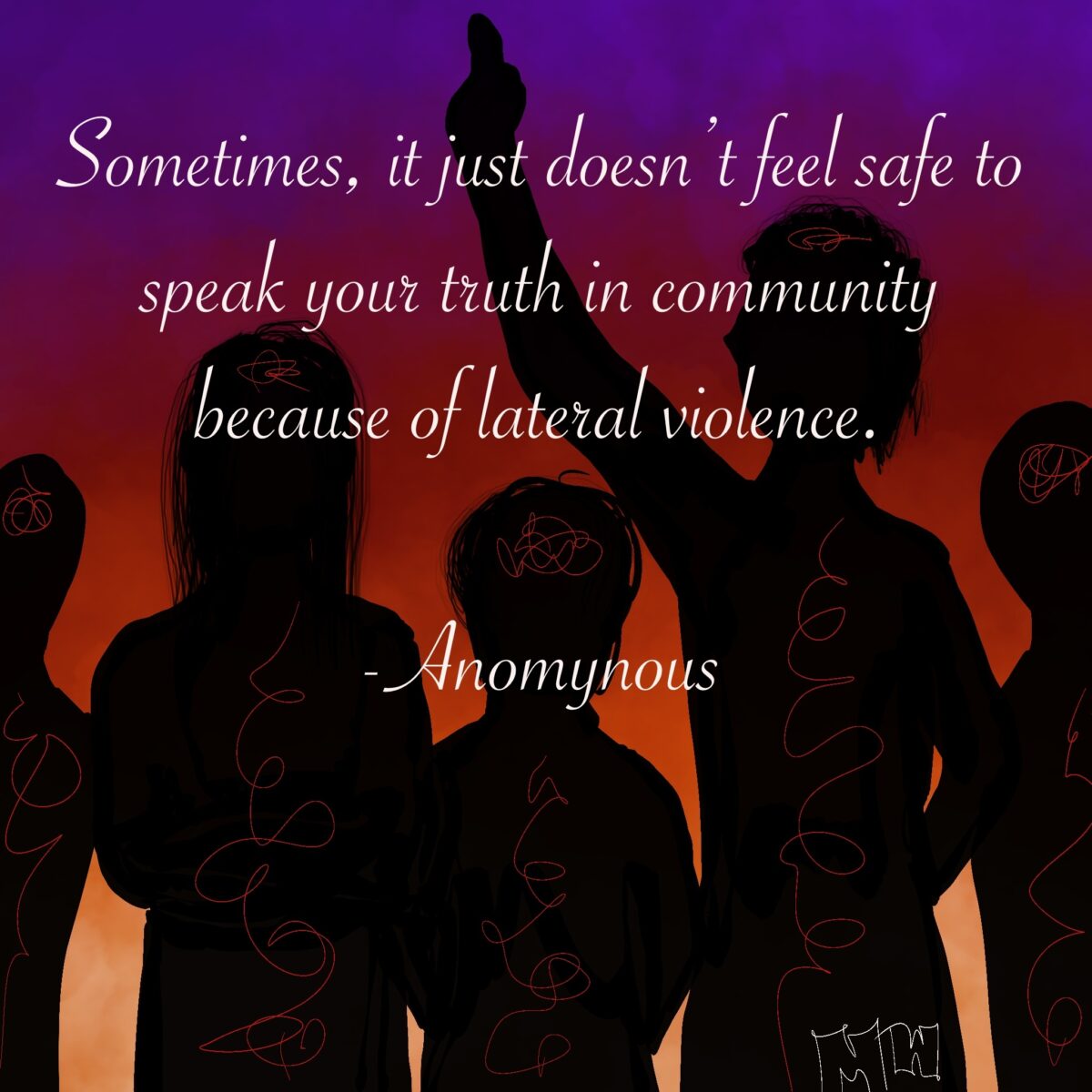
Some have bravely put their names to their calls for the Pines to be saved from the avarice that pervades the strip and which benefits a select few. But we understand, with mixed feelings, those who feel they have to stand up and say something but don’t feel comfortable putting their names to it because they’re scared.
We’ve published anonymous concerns about these fears. Why? Because these fears are justified, and because it’s in the public interest to share them. It’s just important to know that if a picture is worth 1,000 words, a name is worth even more, and those who are standing up could use support.
However, tons of anonymous posts have also cropped up posturing about the Kanesatake election, and while even these might be understandable in some cases, anonymous opinions just don’t make for healthy discourse.
Who are these people making anonymous electoral commentary? Friends of candidates? Their families? What is their agenda? For all we know, they’re the candidates themselves, and that’s just one reason these anonymous comments can muddy the playing field.
Anonymous sources are another thing altogether, of course, and that’s another value of the media. We bring inquiry but do so with due diligence and responsibility.
It’s a higher bar, sure, and it can be frustrating to have pieces of a puzzle that are not yet fit to print, but it’s the nature of journalism. Sources are the catalysts we need, so if you know something rotten that’s been going on, say something. We can ensure your identity is protected. There are plenty of stories to blow the whistle on, but it all starts with people talking to us directly.
Anonymous posts are problematic, but they are allowed on Kanesatake’s most popular page because the administrator – who just announced he is stepping down, citing constant discord and negativity, which could lead to the board’s closure – said some of it is in public interest. And to an extent we agree, but it is a slippery slope, and there needs to be an extreme amount of care and caution when allowing anonymous voices to go public, especially with names attached to their posts.
Sign up for email updates from The Eastern Door
While we’re at it, there’s another phenomenon that’s cropping up on community message boards, and that’s from accounts named and unnamed alike. Everyone should be concerned about the emergence of artificial intelligence, unlike any technology that has come before it. A chatbot is no substitute for independently wrestling with a subject by getting your thoughts down yourself, in your own voice.
Asking a chatbot for tilted arguments just increases our polarization and will slowly erode the faculties we all need to build a better future.
It’s an editorial for another day, but the point stands that a person’s voice, linked inextricably to their identity and creativity, is one of the most valuable things a person has.
We urge people to embrace using their voice anytime they feel they can, and we anxiously await the day the community will be in the position to engage in a healthy debate about pressing issues, one not mired in a culture of fear.
TED Staff