Tuition waived for Concordia students
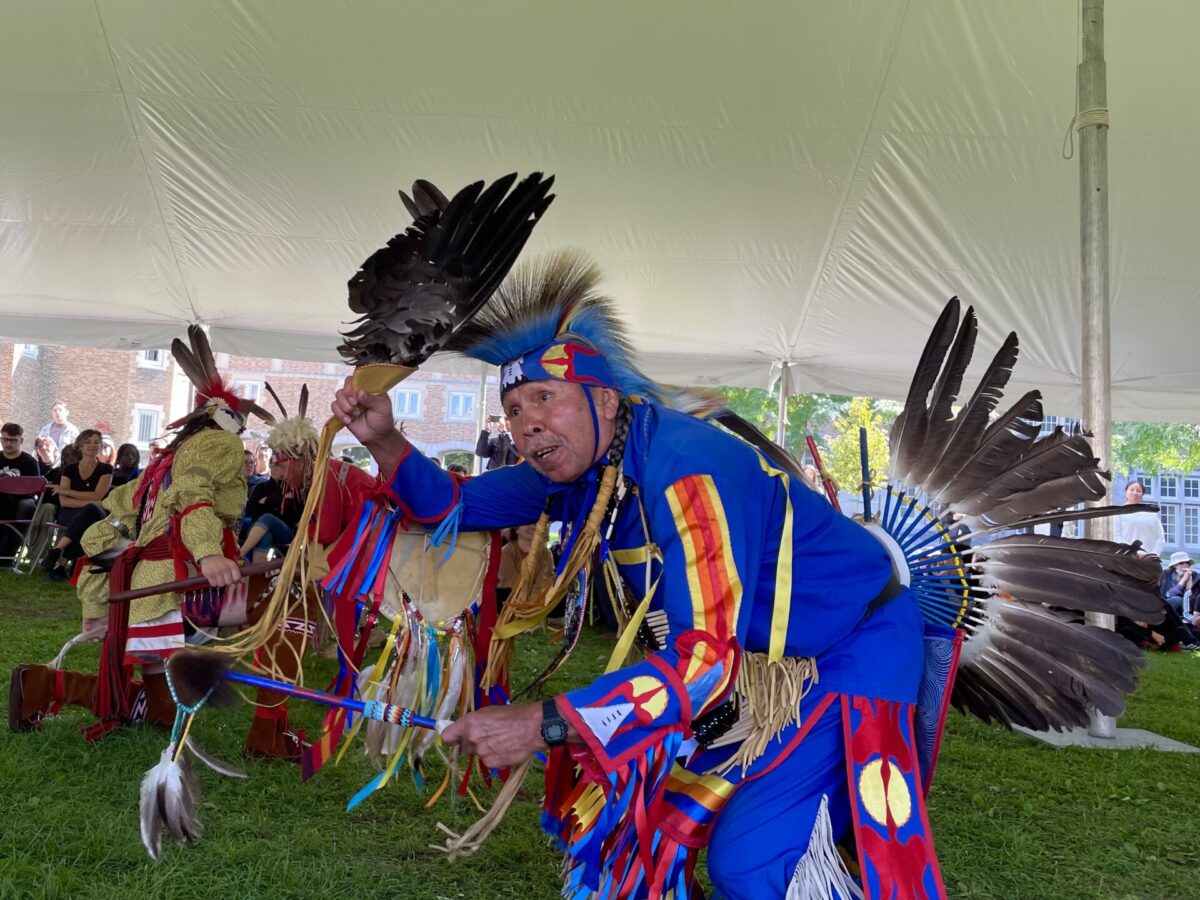
Tuition for undergraduate and graduate programs will be free to all Onkwehón:we students from communities in Quebec, starting this fall.
“The most important thing for us is removing barriers,” said Allan Vicaire, who is Mi’kmaq and is Concordia’s senior advisor of Indigenous Directions, a hub for Indigenous resources and projects within the university.
The waiver will be in place as of the Fall 2024 term, and all students from any First Nation or Inuit community in Quebec are eligible. Since Concordia receives lists of applicants from each community via their respective educational authorities, the waiver will be applied automatically - though if students are applying independently of their education authority, there is a tuition and fee waiver form on Concordia’s website to confirm an applicant is a member of the community they claim.
Though similar tuition waivers exist at other universities - McGill recently announced a waiver for proximate First Nation communities this June – Concordia’s is the first province-wide waiver of this kind in Canada.
“This is an act of reconciliation for Concordia’s part. I think it’s the right thing to do, to provide that access to students. We do hope to see an increase in enrolment,” Vicaire said. “But we also want to see how this could impact other universities across Quebec and Canada, because now we’re the leaders.”

Vicaire hopes that other universities like McGill, the University of Toronto, and the University of British Columbia could expand their already existing tuition waivers and follow in Concordia’s footsteps, increasing access to higher education for Indigenous students.
The waiver also covers certificate and diploma programs.
“It’s another opportunity for maybe someone who’s already done their degree, or who doesn’t want to get a degree, they can now come to Concordia and take a course out of interest,” Vicaire said. “Someone who’s retired could come and say ‘I want to take a course about the Celtic, or about art history,’ and now they can take that course at Concordia and have the tuition waived.”
The tuition waiver initiative comes from Concordia’s Indigenous Directions Action Plan, which was in part created in response to the 94 Calls to Action outlined in the Truth and Reconciliation Commission’s final report.
The Indigenous Directions Action Plan, which was first published in 2019, outlines other recommendations for Concordia. These include a call to establish more partnerships and relations with First Nations and Inuit communities, expand funding opportunities and remove financial barriers to education, and increase the rate of recruitment, retention, and graduation of Indigenous students at the university.



Vicaire is hopeful that this move will help the university move closer to those goals and open doors for Indigenous students at a time when legislation like the province’s Law 14 has been a roadblock.
Concordia and other anglophone universities in the province have also been subject to new French requirements from the province that will require 80 percent of out of province students to reach intermediate levels of oral French by the end of their studies – before, there were no French requirements for students.
“It’s a time where there’s a lot of uncertainty with the Quebec government, and we want to make sure that this doesn’t add an extra barrier,” Vicaire said.
Around 120 Indigenous students currently attend Concordia, and Vicaire is hoping that with the new waiver that number will increase in the coming years. He immediately reached out to education authorities in every community to inform them of the change, and to gather names of Indigenous students starting this fall who will be able to benefit from the waiver.
Right now, three specialized programs are ineligible for the waiver: the executive master of business administration (MBA), the investment management MBA, and the master of investment management, as well as specialized programs at Concordia Continuing Education.
Sign up for email updates from The Eastern Door
The waiver covers tuition and all mandatory fees, though books and course materials are not covered by the initiative.
This article was originally published in print on August 30 in issue 33.35 of The Eastern Door.