Traveller finds hospitality in Kanesatake
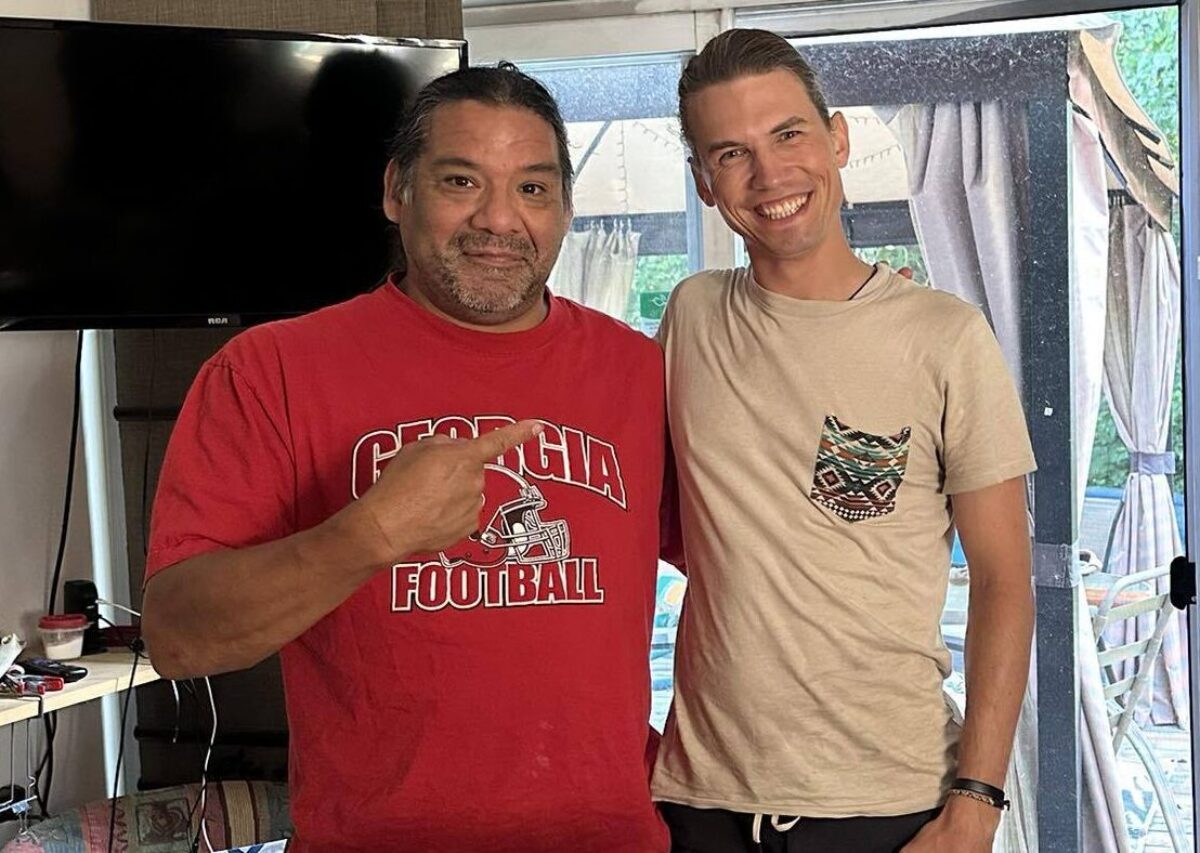
Courtesy Al Harrington
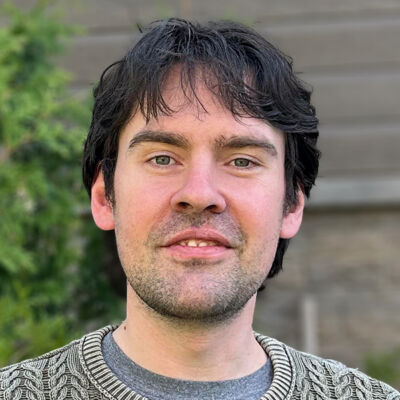
When Karonhienhawe Nicole Nicholas heard there was someone at the beach with a bunch of dogs, she went to check it out. There were no dogs in sight, but she did find a 27-year-old man sitting on a concrete slab with a bicycle, a trailer, and a Swiss accent.
Like many Kanehsata’kehró:non, Nicholas has told her share of outsiders to leave the territory, but there was something different about this young man, who did not react to her with the hostility many outsiders do.
“Usually when I encounter people, they’re very rude and disrespectful and they don’t give a crap. They think they can just go there and be there,” said Nicholas. “Because he was so nice, I explained to him the reason why we kick people out, because it’s private community lands.”
The man, Nicolas Loretz, hadn’t realized he’d stumbled onto Kanesatake Mohawk Territory. In fact, he didn’t seem to know much about the context of First Nations in Canada. It just hadn’t been something they were learning about back home.
“It was kind of sad and disheartening to know they don’t know our plight, our struggles. They think the American dream, this, that, and the other thing, but they don’t know what’s behind the American dream facade,” said Nicholas.
Loretz explained to her that he had started his journey a year ago in Lucerne, Switzerland, his hometown, embarking on an adventure that saw him hitchhike to Gibraltar, cross the Atlantic Ocean with a circus crew, and island hop in the South Caribbean on his way to Florida before winding up in Boston, where he began cycling his way up and through Canada.
“I’m like ‘oh my god, you literally ran away with the circus,’” Nicholas said.

She told him he might encounter some people upset to find him there, directing him to Oka Beach instead. But then she started thinking about the backtracking he’d be doing and decided to go out on a limb, suggesting he camp out in her family’s yard instead.
“No one’s going to come kick you out except the roosters,” she said.
What followed was an educational evening all around, with Loretz chatting the night away with Nicholas and Al Harrington. Nicholas even showed him a kastowa and explained the significance of the feathers.
“I learned so much about the history of Canada and realized I had a wrong image on the history,” said Loretz. “I would say just the Western narrative of history, how we grow up - I got a new perspective, a true perspective of the way it is, and that was amazing.”
Harrington told Loretz about his own travel project, the completion of a canoe trip to his home community of Shoal Lake 39.
Meanwhile, the family also enjoyed hearing the perspective of Loretz, who shared his view, bolstered by his travels, that an overemphasis on material pursuits undermines a meaningful life.
“I see now that profit is by far not everything we should achieve,” said Loretz.


“We talked a lot about waking up people in the sense of what is true and what needs to change in the way we are thinking about certain things, and that was great.”
Loretz told the family about Switzerland’s strong social safety net and work-life balance in comparison to Canada, something that resonated with Nicholas.
“Here we are working our fingers to the bone, and we’re still struggling no matter how good the pay is,” she said.
“It was something of an educational evening.”
To Nicholas, the gesture was just a continuation of the family’s tendency to open up their home to travellers, which they have done in the past for walkers spreading awareness of causes like Every Child Matters and Missing and Murdered Indigenous Women and Girls.
While this visit was not about raising awareness, Nicholas was glad she extended the invitation.
“The maternal instinct in me said ‘okay, you’re better off over here.’ I really don’t want to give off such a bad image of our people, our community. I want to be kind and considerate when it comes to something as innocent as that,” she said.
Sign up for email updates from The Eastern Door
“That was it, just a kind gesture for a kid.”
Loretz had originally planned to stay in this hemisphere until 2027, but he now plans to go back to Switzerland - once he reaches Panama - in spring 2026 to see family and friends before returning later that year to explore South America.
“I know a lot of people who have the chance to travel, they say ‘oh, I need to work here, I need to finish that task’ and so on, and in the end, they regret it. I said if all those people regret it, I don’t want to make the same mistake.
“So far, it’s worth it.”
Marcus Bankuti, Local Journalism Initiative Reporter