Teepee project in jeopardy
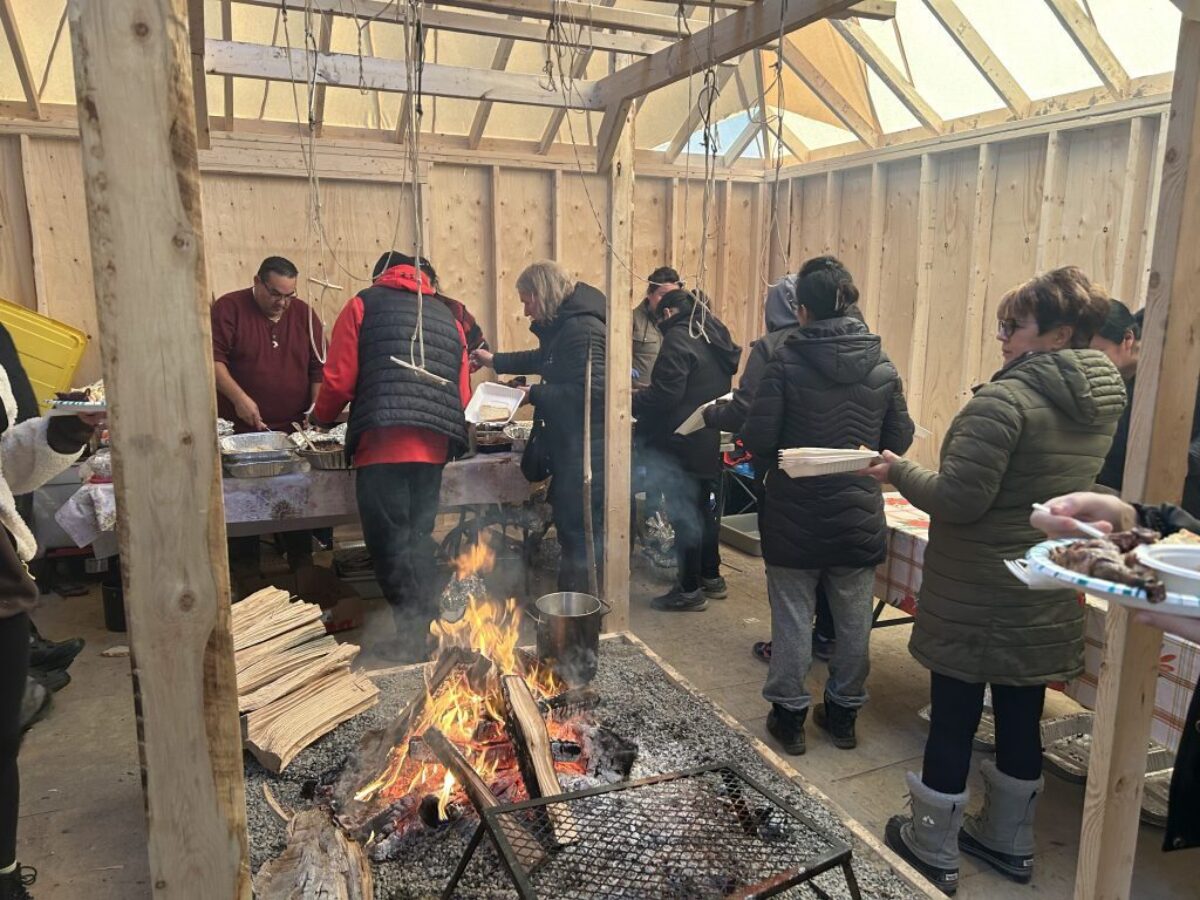
The inside of the homestead during its opening in 2022. Eve Cable The Eastern Door
Community members have been hosting all sorts of land-based programming at a teepee project on Route 207 since late 2022 – but that could be about to change after organizers recently found that their funding wouldn’t be renewed for this fiscal year.
“We’re kind of going week by week,” said Shawna Lee Kahentawaks Raymond, who was a part-time worker at the teepee, but is now continuing her work in a volunteer capacity, in the absence of funding. “We don’t want it to fail, because we think it’s a great idea.”
The project is now known as the Mohawk Cultural Community Homestead but has previously been known as the Mohawk-Cree Teepee Project and the All Nations Gathering Place.
Located on his own land, the project was started by Bobby Patton a little over two years ago, with the intention of bringing together Indigenous people from other communities who may be in Montreal for medical treatment and missing home.
Since then, the project has continued to grow, and now a team of workers organize events, including workshops and community service hours.
The project is also home to the “Iah Teiokaraien - Free Food For Everyone” initiative, which provides community members with free baskets of fresh produce.
Last year, the homestead received $217,080 of funding from Onkwata’karitáhtshera’s Community Wellness Plan Initiative, but Raymond said that the project doesn’t meet the criteria to renew funding this year, because it lacks certain health and safety qualifications, such as access to running water.

“There’s zero ill intentions or any bad energy towards (Onkwata’karitáhtshera), they supported us like crazy last year, but the things we have to do to get our project revised are difficult and cost money to do,” she said. “It’s hard, but I do understand it, we need to get that health and safety certification.”
Another issue that they need to address is the flooring which has been weakened by hundreds of visitors over the years.
“To get new flooring, water, and all that, we’re looking at over $20,000, but since our funding got cut, we’re kind of stuck,” Raymond said.
The free food project still has alternate funding secured for its operations, but without the Mohawk Cultural Community Homestead, it won’t have a location to run its operations out of.
“We’re the ones that pay for all of the utilities,” Raymond said.
The homestead had three salaried workers that were covered by the Onkwata’karitáhtshera funding, but now the project is being kept afloat by those people giving their time as volunteers.
It’s already proving difficult to keep things running.


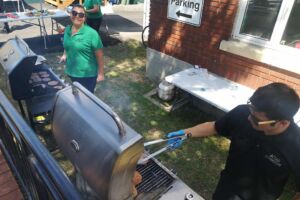
“Last Friday, for example, we had to close because we couldn’t find anyone to help pick up the food. Today, I took time off of work to come in to help,” Raymond said.
Raymond said she’s been applying for as many grants as she can, but she’s yet to hear back about potential funding – and since the project isn’t officially listed as a non-profit, it’s been hard to find funding that they’re eligible for.
“As a grassroots project, it’s really hard to secure funding,” she said.
She and her fellow organizers have also launched a half-and-half fundraiser – the draw is tentatively scheduled for April 21, but Raymond said that the team will likely extend the deadline, as they haven’t raised as much as they wanted.
Right now, they’re looking to raise at least $1,200 to help cover costs associated with a flock of 50 egg-laying hens that are coming in the first week of May that were intended to provide free eggs to the community. The group paid for and ordered the hens before they knew the funding would be cut, and they’re hoping to repair the chicken coops, which are currently damaged by water.
Long-term, the project will have to find a bigger alternate funding source to continue operations.
“It’s a good thing, we’re happy that we have families and people coming in here, doing activities and workshops, but it does do a lot of wear and tear on the building that wasn’t designed for so much in the first place,” she said.
Sign up for email updates from The Eastern Door
Community members interested in supporting the project can reach out via their Facebook page.
Onkwata’karitáhtshera said it is unable to comment on individual funding situations, but the names of selected projects funded for this fiscal year will soon be released to the public.