Millions of records made accessible
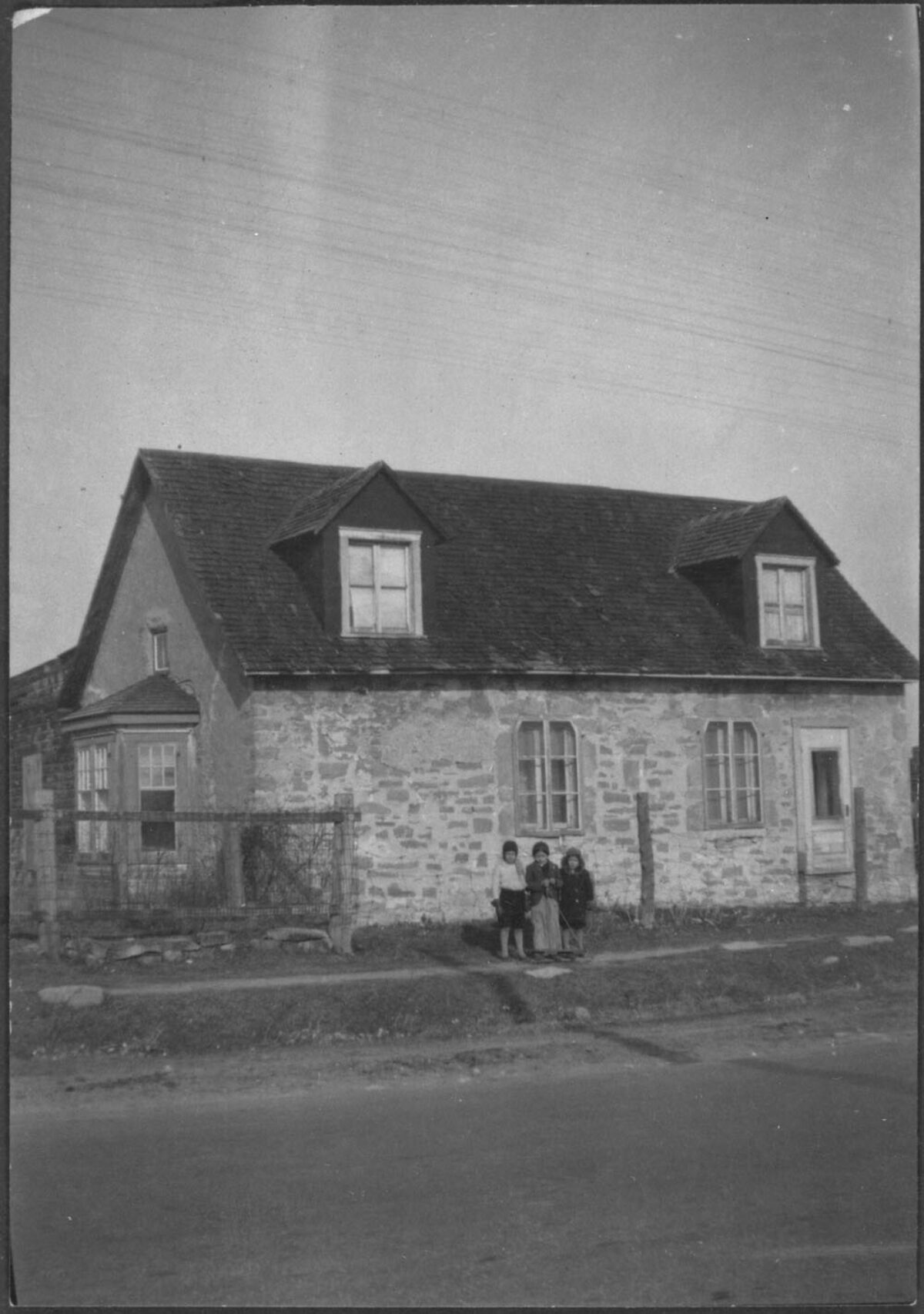
A picture of Kateri Indian Day School in Kahnawake, one of nearly six million records contained in Library and Archives Canada’s Day Schools Project. Courtesy Library and Archives Canada
Community members will now have access to almost six million records related to the Federal Indian Day Schools system, after Library and Archives Canada (LAC) officially wrapped work on their Day Schools Project (DSP).
“We’re really hoping to raise the visibility of the records we hold, and we’ve tried to make the records as accessible as we possibly could,” said Beth Greenhorn, a manager on the Day Schools Project at LAC. “We want people to know that we do have these records, and hopefully if people are looking for records about themselves or a family member, if they’re wanting closure, then they can be able to access them.”
The DSP includes around 5.7 million documents, including government records produced by what was formerly known as the Department of Indian Affairs and Northern Development, the Indian and Inuit Affairs Program, and the Northern Affairs Program. Records range from textual material and documents, to photographs, artworks, maps, and plans.
Since 2022, a team of archivists has been working to ensure each file is captured in its entirety, including both the front and back of each document, to serve as true, accurate copies of the originals.
A key element of the project was also including enhanced file descriptions, Greenhorn said, including searchable information like the Indigenous communities and school locations mentioned, whether student names are mentioned, and whether staff names are mentioned.

In order to protect the privacy of students who attended the schools, and in an effort to treat the legacy of the system with care, Greenhorn emphasized that identifying details are kept private and remain protected under the Access to Information Act. That means that individuals looking to gain specific information about themselves or family members can request more information directly.
“The goal is to provide survivors and their family members with as much information as we could, so that when they’re ordering materials or files we can cut down on time,” she said. “That stops them having to order files and just discovering later that it’s not relevant to them, so hopefully this information will give enough contextual information to request files of relevance and interest to them.”The team also updated old records to include more detailed information, working to include maps and architectural plans in the records attached to each day school. The thorough nature of that process will make files easier to organize on a long-term basis, with keywords now attached to each file that link documents more clearly.
“In the past, a normal file description would just include information that you would find on that file folder, so it could be something as general as ‘education,’ and it would only have a lot more information contained in that record once you opened it,” she said.
“This really gives a better list of the types of records, what volumes or series they might be found in, and how to search all of this information by keywords.”
The improved keyword searchability means that there will be increased access to the files on a digital level, instead of individuals having to physically access records in person.


Part of the DSP also included the creation of a booklet, which guides individuals through the types of files the project contains, and what information different categories of files might reveal.
For instance, the booklet shows that if an individual is looking for information about students at day schools, they might want to search for file types such as “admission and discharge,” “care of children,” “educational assistance,” “nominal roll system,” “reports and returns,” or “student transportation.”
An improved search engine was also created to enhance accessibility while accessing these files, with a synonym list of more than 5,000 terms. That synonym list, which is evergreen and is expected to grow in the future, was orchestrated by Metis researcher William Benoit, who served as an Indigenous advisor on the project.
“He played an instrumental role in developing that to make it as consistent as possible,” Greenhorn said.
That would allow, for instance, records with the word “Caughnawaga” to be linked to searches for the word “Kahnawake,” making it easier to find relevant documents.
Sign up for email updates from The Eastern Door
The entire DSP and its associated booklet and research guide can be found on the Library and Archives Canada website. For more information, or assistance with research, individuals can fill out the contact form on the webpage or email [email protected].