Taking care of the Suzanne River
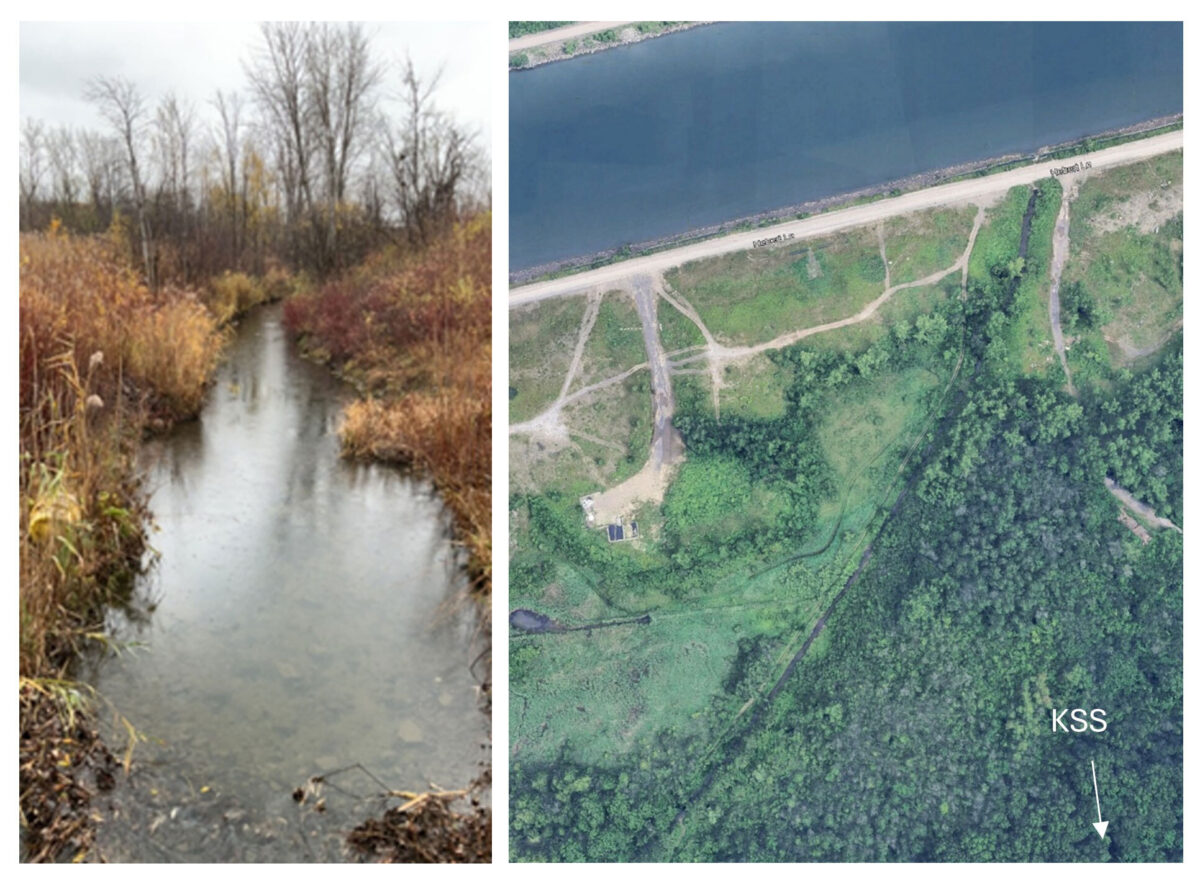
Courtesy Mohawk Council of Kahnawake
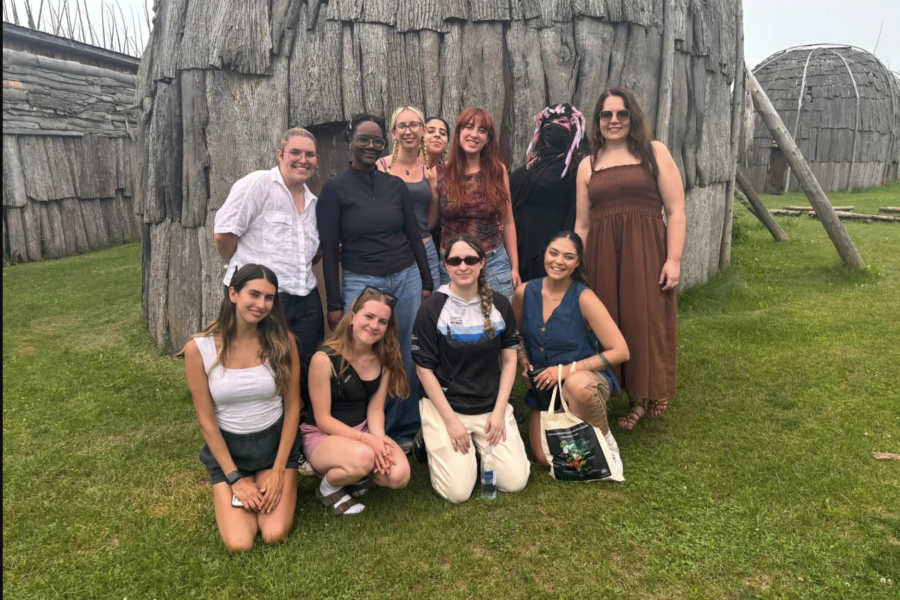
With the weather turning for the better, and the start date of the Suzanne River restoration project approaching, the Kahnawake Environment Protection Office (KEPO) has been organizing walks on the Suzanne to help community members get to know it - or pass on their own knowledge to KEPO.
“(The restoration) is going to be a fairly costly project that we are getting funded through external funding, but we like to take the community out and show people why we’re doing it,” said Tyler Moulton, KEPO’s environmental projects coordinator - aquatic habitats.
Part of that has been doing some sampling of the small organisms that live in the Suzanne’s water - crayfish, worms, snails, insect larvae, and others in the category of “benthic macroinvertebrates” - along with pointing out fish and other animals that live there, walking through some of the relatively untouched portions of the river, as well as where there have been more disturbances that are being targeted by the restoration work.
The walks have been a good way to get community members reacquainted with a body of water that is out of view from most people - not central like North Creek, not highly popular in the hotter days like Recreation Bay.

It has also been a good opportunity for KEPO to hear stories from people who were there before the creeks in the community were modified by humans.
“We’ll talk about what they used to do in the creek when they were kids, or what their parents used to do. It’s a nice way to talk about this project and talk about how people can get involved,” said Moulton.
As part of that exchange of knowledge, traditional medicinal plants that grow along the Suzanne will be harvested, their seeds kept to do some replanting to replace the invasive fragmites, plants that litter much of the banks.
“We’d like to get the school involved in some of the planting and restoring a lot of the vegetation along the shorelines after the earthworks are done. There have been other suggestions as well to do a tobacco burning before we have to take down a few of the trees,” said Moulton.




The restoration work will involve changing over a culvert installed by the Seaway Corporation decades ago that is installed too high, leading to water that is too shallow in dry periods, as well as returning a natural curvature to a portion of the Suzanne, as opposed to its current straight-line configuration.
“Water wants to flow in a sinuous manner in that curved area. It’s how it efficiently moves sediment through the creek,” said Moulton.
That sediment movement creates natural deep points, where fish can spawn and feed, and shallow points, that oxygenate the water through the equivalent of rapids, but at a much smaller scale.
Fish diversity is one of the big goals of the project, with the natural curvature and the lowering of the culvert making it possible for more fish to come into the creek temporarily to feed and spawn.
Sign up for email updates from The Eastern Door
Efforts are also being made to combat the invasive round goby, which is native to Eurasia but was introduced to the Great Lakes waterways via commercial ships.
Construction work is set to begin this summer.