Support for dementia caregivers

Dementia diagnoses can be emotional for any family to deal with, but not knowing the tools for how to care for a loved one with the disease can be especially difficult. A five-week program from Kahnawake Shakotiia’takehnhas Community Services (KSCS) in association with the Alzheimer Society Suroit is aiming to give community members the knowledge and resources to help make that process a little easier, with a two-hour course each Wednesday evening.
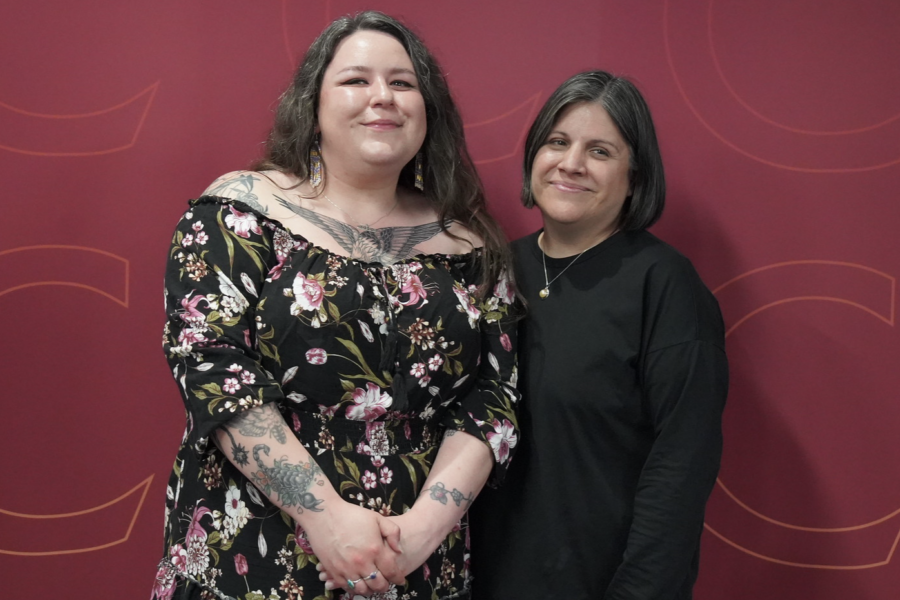
“Our goal is to destigmatize the disease itself,” said Lisa Kawisahawi Fazio, a case worker at KSCS who is coordinating the training, which is the third of its kind from KSCS. “We want to get as much information as we can out there to help people to live the best life possible for as long as possible.”
More and more dementia diagnoses have been happening every year across Canada, mostly because the number of people over the age of 65 - who are more likely to develop dementia - is increasing.
Right now, The Alzheimer Society Canada estimates that nearly nine percent of people in Canada over the age of 65 have some form of dementia, with that number expected to increase more than 13 percent by 2050. As of the start of this year, around 772,000 people in Canada are believed to be living with dementia.
With so many cases, large numbers of people become caregivers.

“We want people to know that they’re not alone, there is help out there, and we’re here to assist in any way that we can,” Fazio said.
“It’s very good to connect with other people going through the same thing,” she said.
During the training, caregivers will learn about the different types of dementia, including Alzheimer’s disease, and will receive training about how the disease progresses, as well as what kinds of medication are used to treat different symptoms.
They’ll also learn the best ways to communicate with a loved one who has dementia, how to keep people safe in their own home, and what long-term care options there are – as well as when to know if long-term care is something to start considering.




The definition of “caregiver” is broad for the purpose of the group, and people should feel encouraged to attend even if they aren’t the only person responsible for a loved one’s care, Fazio said.
“We’re not going to turn anyone away. If you’re a caregiver and you want to know more information, you’re welcome in the program.”
Fazio added that it can often be difficult for caregivers to take time away from their loved one and said that KSCS is here to support people if they’re facing those challenges.
“Reach out to myself or anybody in Home and Community Care Services. We’ll do as much as we can to help you get here. We know it’s sometimes hard to leave their person at home, but we can troubleshoot with them,” she said. “We can see what we can do, maybe we can have somebody give respite care while they’re here. We definitely want to make it as easy as possible to come.”
Sign up for email updates from The Eastern Door
The program runs on Wednesdays from 4:30 p.m. to 6:30 p.m. starting on January 29. Attendees are also welcome to attend KSCS’s Dementia Support Group in future, which also runs on Wednesday evenings.