Regional assessment on track

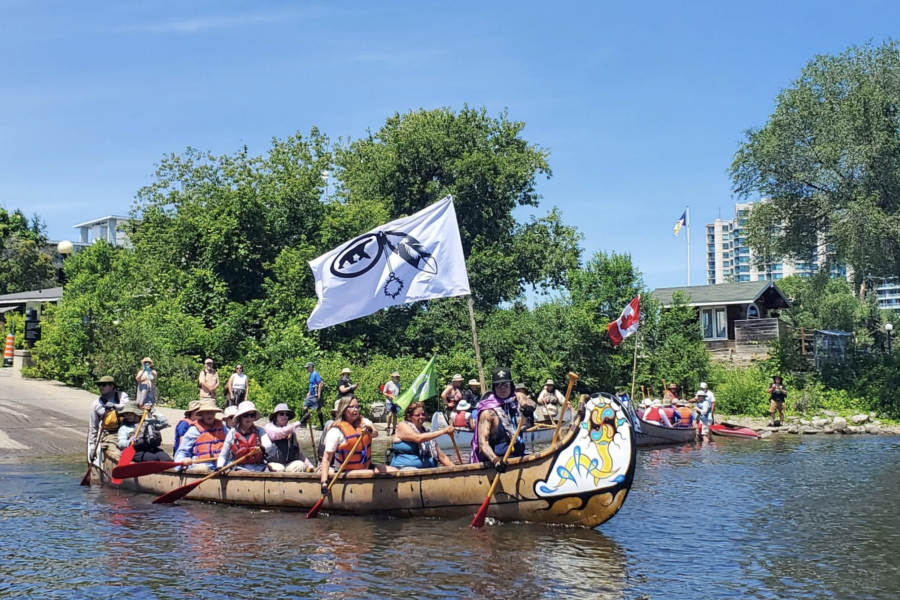
File photo
More than five years after it was first requested by the Mohawk Council of Kahnawake (MCK), a regional assessment study of the St. Lawrence River will be starting in just a few months.
It is being undertaken by the Impact Assessment Agency of Canada (IAAC) in collaboration with other federal agencies, other Indigenous communities interested in the work, and the MCK’s consultation committee, which will serve as co-lead.
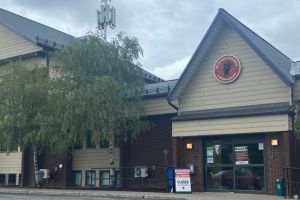
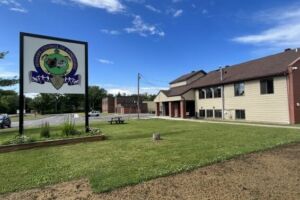
That includes the Kahnawake Environment Protection Office (KEPO).
“As the requester of the assessment in the first place, we have a lot of sway in terms of how it’s moving forward, and we can certainly raise the alarm if it appears that it’s going off the rails,” said KEPO’s director, Patrick Ragaz.
The assessment was greenlit at the end of 2024, after years of hashing out the scope of the project as well as determining whether or not both the federal and provincial governments would be involved – Quebec finally decided against taking part after two and a half years of discussion, according to Ragaz.
One of the goals of the assessment will be determing how much the river, and by association Kahnawake, has been impacted by the development of industry on the river.

“Because of the amount of industry and development in this area, there’s already been significant impacts to the community. So, we wanted to do a study that acknowledged that and developed opportunities to improve the situation going forward,” said Ragaz.
“There’s a lot of legacy industry out there and, other things that are causing significant harm to the river currently. So the idea is that if a new project wants to come online, we will then know what the impacts of that might be and opportunities for the overall situation to be improved.”
As of now, the terms of reference – essentially the guiding document of the assessment that will underline its priorities – have been finalized. The document will be going to the different communities involved in the assessment for validation.
After that, the hope is for the assessment to begin being conducted in April of this year, Ragaz said.
The priorities in the terms of reference stem from discussion points with the community in late 2024 and early 2025, outlining what the community’s priorities would be for the assessment to turn a project that could be too broad and unyielding to be properly done into something much more manageable.
“We’re trying to take a holistic look at the entire system that can help guide the study with a few really key assessment priorities that we’re working on,” said Ragaz.
He gave the example of fishing and harvesting in the river as a community priority.
“We want to really value the importance of being able to harvest fish from the river. Some of the guiding topics that would feed into the ability to do that are the quality of the water that the fish are in, the health of the fish populations themselves, maybe some different fish species that we’d be looking at, and access to the river,” said Ragaz.
Ragaz also said that having this sort of assessment will be beneficial to the MCK when different projects are at the consultation stage with Council by providing good guidelines for where projects could be viable, what needs to be done to minimize harm and improve habitats or the health of the river.
“We want to be proactive versus always being reactive and just responding to problems as they come up. We want to make sure that we’re identifying them in advance and coming up with solutions,” said Ragaz.
As the project gets ready to begin the conduct phase, Ragaz said community involvement is still important.
“One area that we will need a lot of data gathering and input on is the local knowledge side of things, or community knowledge. That’s a big focus of the work, really understanding how the community is using the river, places of importance for the community, and what they’re wanting to see for the river,” said Ragaz.
Sign up for email updates from The Eastern Door
“All that is going to be really key to informing the recommendations that are coming out of this.”