Q&A: Planning taxes and estates
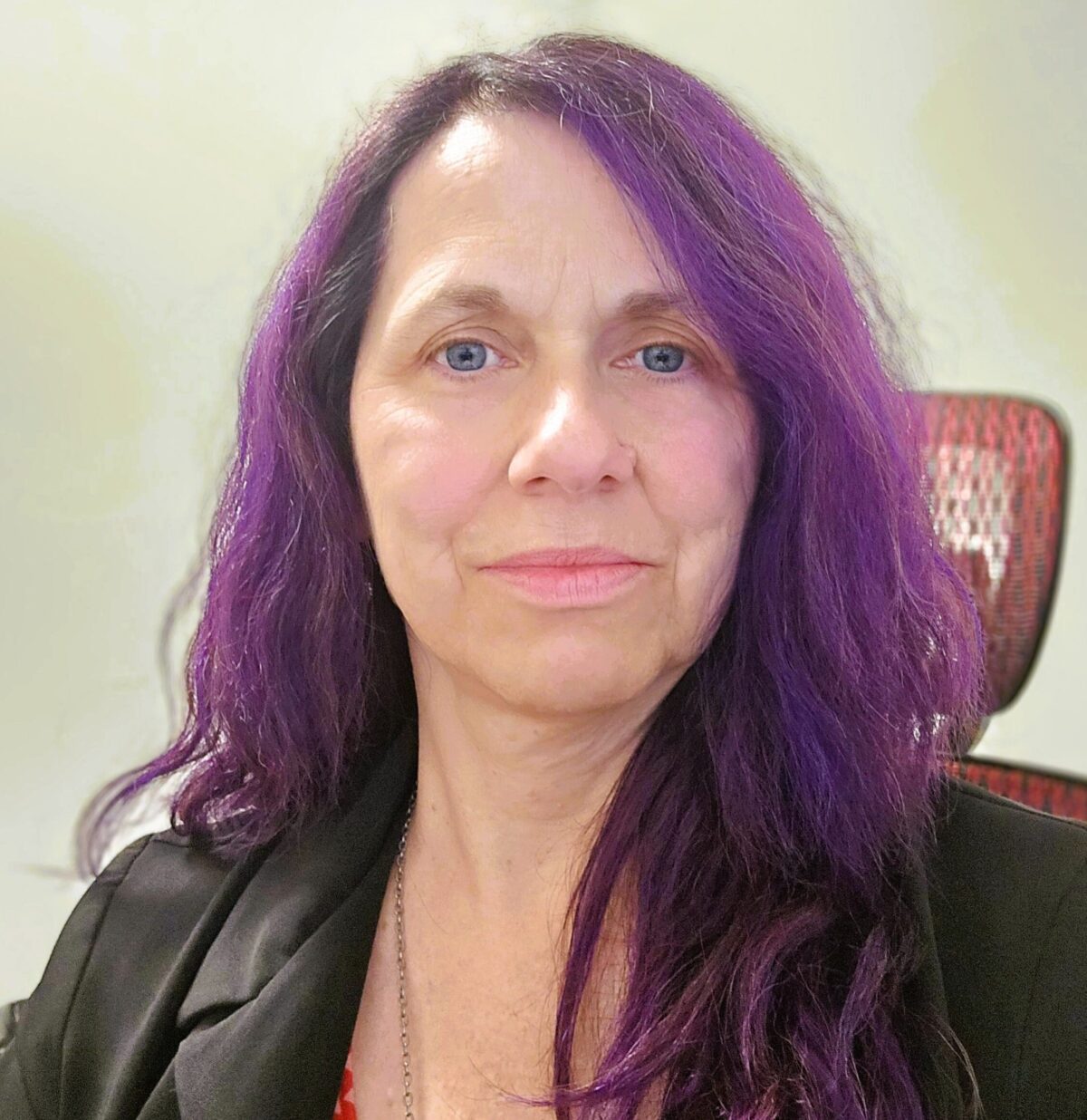
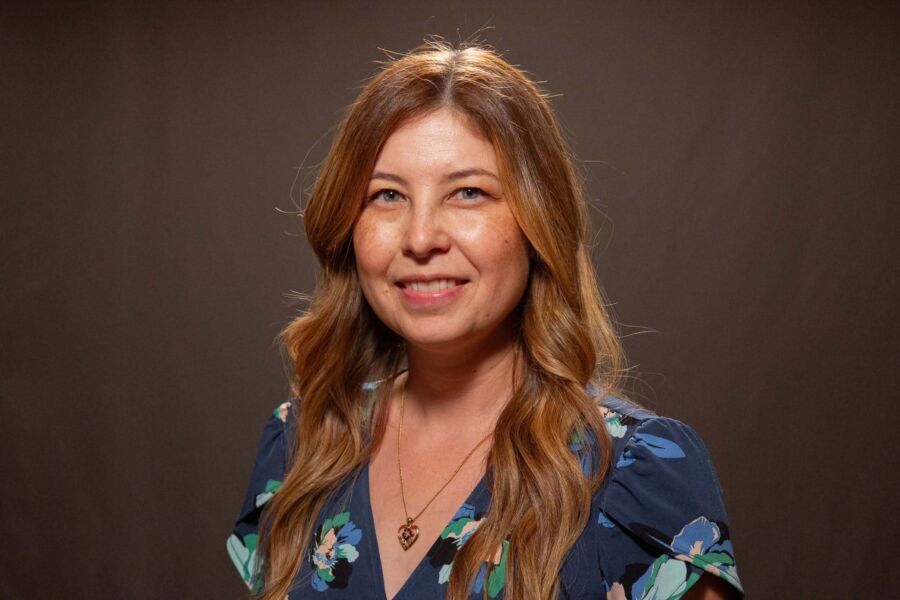
Tricia Collier has more than three decades of experience in the world of finances. Courtesy Tricia Collier
For many community members, the topics of taxes and estate planning are difficult ones to navigate. From understanding wills and Indigenous Services Canada (ISC)’s role in estate planning, to dealing with tax complaints and filing issues, there’s a multitude of problems that Kahnawa’kehró:non need support with on a daily basis.
Until recently, that support was hard to find - but the Mohawk Council of Kahnawake (MCK) has seen more and more community members benefit from the services of Tricia Collier, who they hired early this year to fill the gap in their services.
The Eastern Door spoke with Collier about her role and her first few months on the job.
This interview has been edited for length and clarity.
Q: You’ve been the Indigenous tax and estate planning advisor since the end of January, but you have decades of experience working in financial planning within the community. Tell us more about the experience you have that equips you for this role..
I started at the Caisse Populaire here in Kahnawake back in 1990, the blockade year. I started as a teller and then I moved up to loans clerk, then to a personal advisor, and during that time I got my certificate in financial planning.
My role then changed to wealth management and financial planner, and I was also a mutual fund representative and a compliance officer.

By the time I left, I’d transitioned to being the wealth management advisor, branch compliance, and commercial account manager.
I have a long history of knowing the estate settling process, but under financial planning I also had to learn more detailed estate planning and taxation, so both of those really came into play as a financial planner.
Q: How has it been transitioning from your former roles at the Caisse Populaire to this role with MCK?
I came in and I hit the ground running. It was a lot of what I was already doing at the Caisse, but it’s even bigger aspects of estate planning and taxation. I used to be doing savings advice, retirement advice, loans, mortgages, but now it’s concentrated down to just these two.
Q: In terms of taxation, what kind of supports can you offer community members?
With taxation, Revenue Quebec and Revenue Canada assume taxpayer knowledge, they don’t accept taxpayer ignorance as a reason for filing incorrectly or not filing.
I’m also dealing with FATCA (Foreign Account Tax Compliance Act) for community members who are implicated, and I’m helping them navigate removing themselves from the system if they’ve inadvertently been declared a US citizen for tax purposes.





I’m also the person now that you call when the QST (Quebec Sales Tax) exemption isn’t honoured someplace that it’s supposed to be; I’m the liaison for that.
Q: What services can you provide to help with estate planning?
We’re not just saying ‘Here’s how you write a will,’ we’re doing actual, hands-on estate planning, we’re talking about what exactly you need to do, helping people with power of attorney, protection mandate information, living wills, advanced medical directives, and helping with contacting ISC.
There is a knowledge gap for estate planning, and we’re working to fill that gap. We want people to write their wills.
Q: How can community members get in touch to access your services?
Generally, they can call or email me because I do everything by appointment. Then they come in, bring all their paperwork, I will tell them exactly what they need, and we’ll sit down and go through everything together. If they’re comfortable, they can leave their documents with me, or they can let me take photocopies and they can take their originals home, and then I’ll work on it and call them back when everything is ready for signing.
Q: In cases where individuals need to communicate with ISC or other entities, are you able to do that on their behalf?
Sign up for email updates from The Eastern Door
There’s a protection of personal information, so you can’t. The person has to remain involved. But what I can do is, for example, when we’re notifying ISC of a death by email, I know exactly what’s required, I’ll ask the person for all that information and put it together in the email, and then I’ll send it to ISC and I’ll include the person in the email.
It’s clear then, and ISC can contact them back. When they get any documentation that they feel they might need help filling out, they can just call me, and they can come back in and see me.
Q: What’s your advice for anyone who might feel clueless on where to start with taxes or estates, or who is nervous about reaching out?
Come and sit here and we can talk about it. I know a lot of people are worried, but just come and see me, and we will try to fix it.