Preventing elder abuse
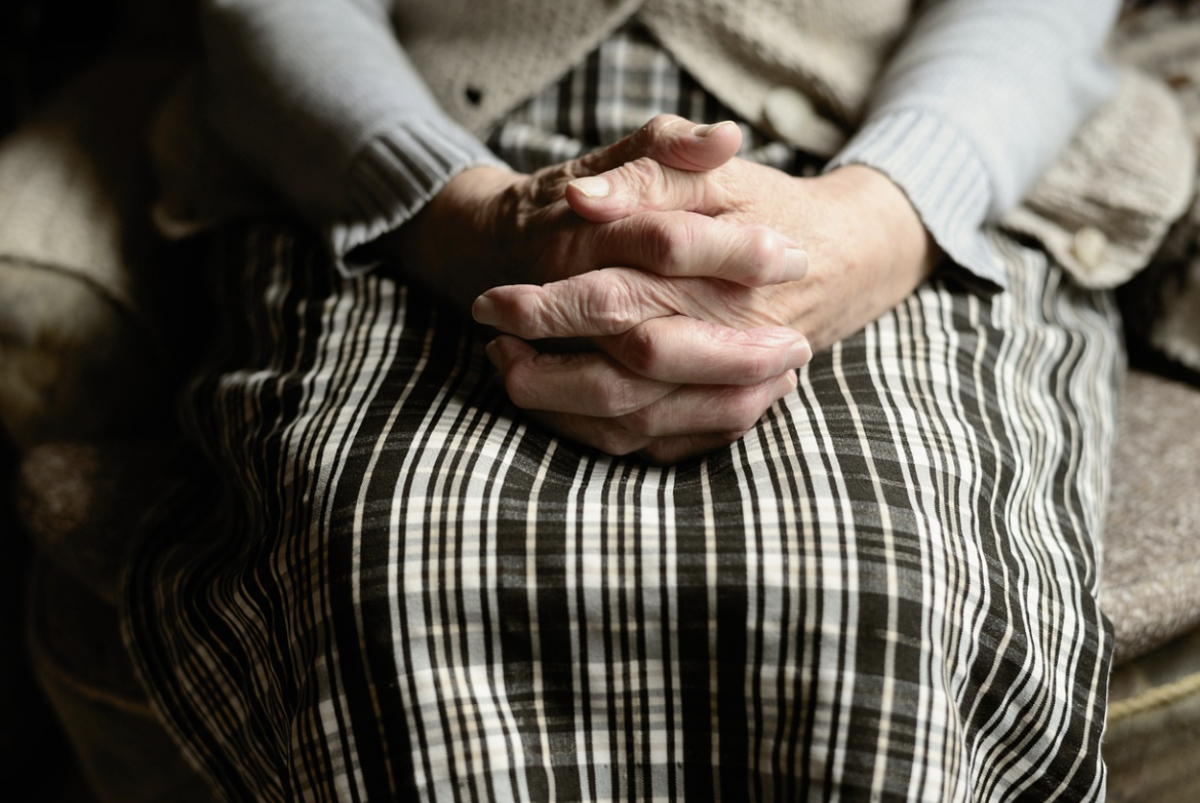
Caring for elderly loved ones is a natural part of family life for most people, but there’s a part of aging that isn’t often talked about, despite being a very real issue: elder abuse.
As individuals age, they become more vulnerable to experiencing abuse, whether that’s physical, emotional, sexual, or even financial. It’s a sinister topic, but it’s essential that it’s talked about – which is why Ionkwatahónhsate Victims Services has partnered with Elder Abuse Prevention Ontario (EAPO) to host a workshop on the topic in Kahnawake next week.
“It’s a hard pill to swallow, knowing that there are abuse situations out there, even in our community,” said Ionkwatahónhsate victims advocacy worker Cheryl Lahache. “It can be kind of invisible, but it’s very real, and sometimes we just don’t know what the signs are.”
The workshop will take place via Zoom on Tuesday, November 5, from 10 a.m. to 12 p.m. and community members can sign up for the workshop by contacting Lahache at 450-638-5647 or [email protected], after which the link will be sent to participants directly.

Lahache said that Ionkwatahónhsate decided to arrange the workshop as part of a push to include more educational initiatives for community members to learn about prevention and support for victims. Elder abuse in particular is a common problem across the world, Lahache said.
“I think I used to have rose-coloured glasses on that this didn’t happen in our community, but that’s not true,” Lahache said. “As a community we need to be able to step in and help if we see that there’s a need to.”
EAPO is a non-Indigenous organization, though they are specialized in understanding the warning signs and reporting processes for elder abuse situations. Lahache said that though it wasn’t possible to find an Indigenous organization to give a presentation specific to Indigenous communities, she has spoken with contacts in other First Nations who recommended EAPO.
Their workshop, titled “Elder Abuse: A Closer Look, Response, and Intervention” will be given by prevention consultant Laura Proctor, who Lahache said informed her of the key elements of elder abuse.
These can include financial abuse, such as a misuse of power of attorney, theft of funds, and forged signatures on cheques and documents, and neglect; including the withholding of care, improper use of medication, lack of hygiene, and malnourishment. Abuse can extend to physical, sexual, and psychological harms, and the workshop will provide community members the tools they need to recognize the warning signs – including unusual injury patterns and behavioural changes.

“We’re all responsible for our elders, just like we’re all responsible for our children and we’re all responsible for each other,” Lahache said. “Elders are very vulnerable and it’s our cultural responsibility to be taking care of them, and if they’re being mistreated it’s our duty to do something about it.”