Ó:nen to the old Onake
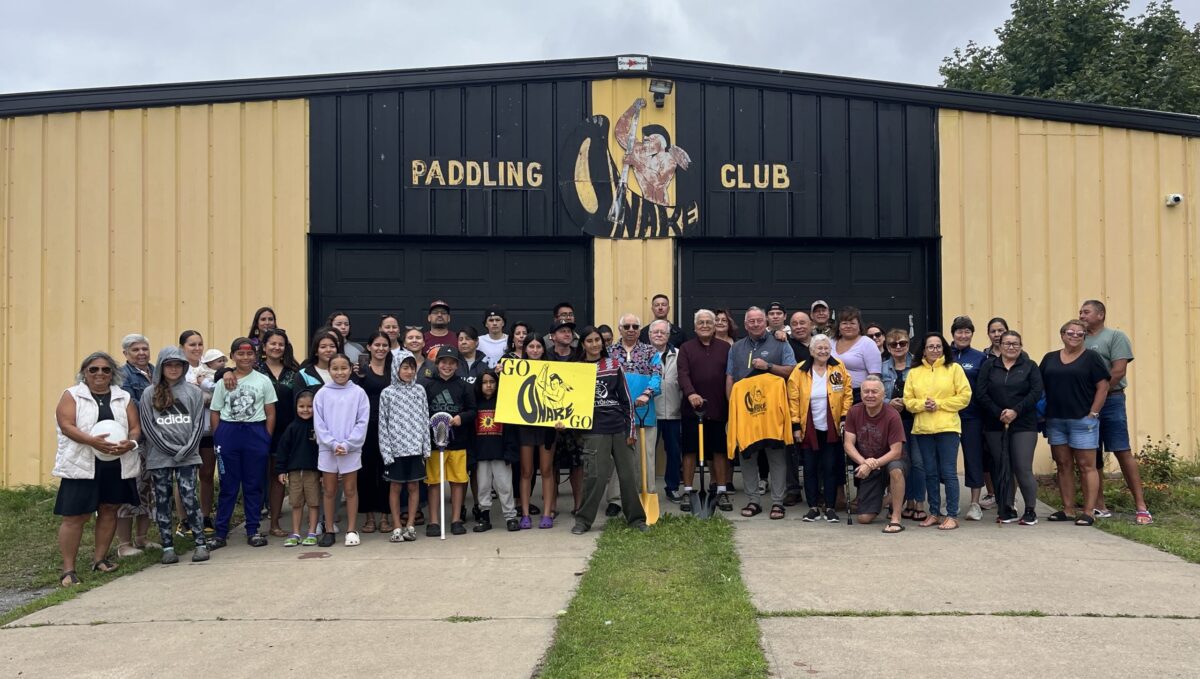
"Out with the old, in with the new” is the spirit of many groundbreaking ceremonies, but the aging steel home of the Onake Paddling Club evokes too many fond memories for sheer celebration.
Instead, everyone from founders, to paddlers, to coaches, to Kahnawake’s only Olympic gold medallist waxed nostalgic Monday ahead of breaking ground on a new $3.6 million building that will greatly expand the club’s capacity.
“It’s not just a physical building, but it’s a place where you belong,” said Sharon Rice, manager of the club and one of its original members. “It’s a place where you grew up. It’s a place you learned life lessons.”
She pointed out that generations of Kahnawa’kehró:non came out to send off the humble building where the club has been based since it was founded in 1972.
“When we started the canoe club 52 years ago, we never dreamt that half a century later we’d still be talking about this club, and it’s still moving,” said co-founder Kenneth Deer, who was in attendance.
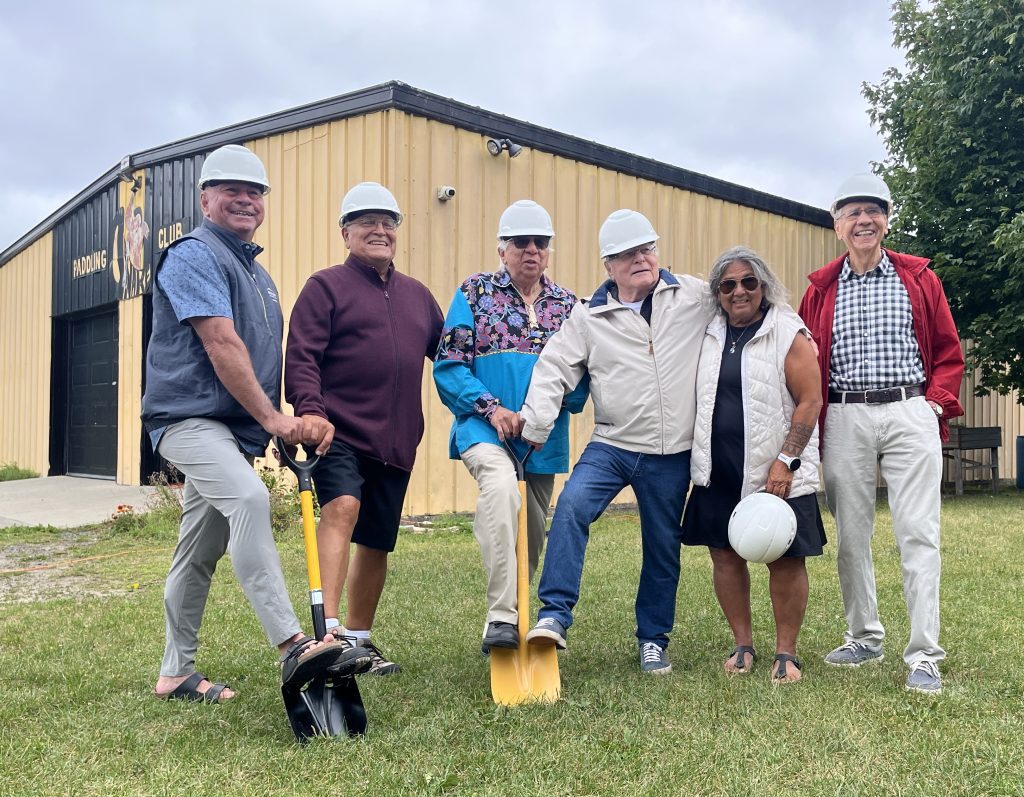
Deer was a counsellor at Howard S. Billings High School in 1971 when the community’s young people complained to him there was nothing to do in Kahnawake in the summer. He was out for a walk not long after that with Randy Peterson and Joe Curotte when it struck them that there was water all around them that wasn’t being put to use.
Serendipity struck when someone from Montreal’s defunct Grand Trunk Boating Club came knocking at the band council, where Deer had an office at the time, and said, “Would you like to have these canoes?”

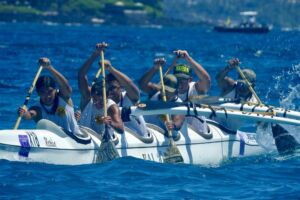
Deer and the founding members of the club had never heard of a K1 or a C4, he told Monday’s crowd, but that didn’t stop them from diving in and starting up a community organization that today is among Kahnawake’s most precious and accomplished.
“We went week to week, month to month, year to year. At the beginning it was a struggle. It’s just so amazing that 50 years onwards we’re looking at expanding and getting bigger,” Deer said.
By November 1972, a drawing had been produced of what the building would look like. Deer wanted something steel, a structure that wouldn’t burn – it honoured Kahnawake’s ironworking legacy as well.
With $8,800 from a labour grant, the building went up. He recalled one non-local worker being so impressed by a passing ship that he accidentally burned a hole in the metal, catching the attention of the foreman, to say the least. It’s only one of many little stories about the structure, Deer said.
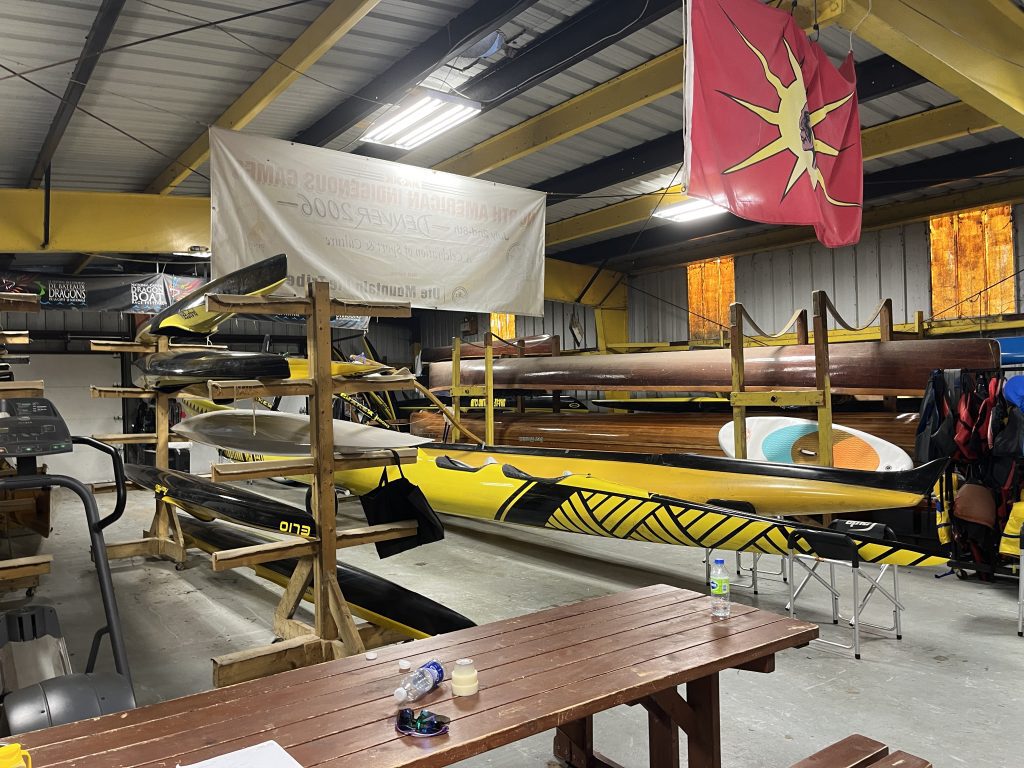
When the club was ready, children flocked to it. To this day, Deer believes the participation of the youth is still key to the club’s value.
“We’re a water people,” he said. “The Mohawks, all Indigenous people, the rivers are our highways, and we’ve got to keep that connection to the water, and this is one way of doing it.”
He may not be here after another 50 years, he said, but he hopes the club will last much longer than that.
“Onake outgrew this building a long time ago, and now it’s the right time to put this building away and build a new and better building. But it’s a lot of nostalgia, a lot of stories,” Deer said.
The event had a high-profile participant in Kahnawake’s own Alwyn Morris, who won an Olympic gold medal in kayaking nearly 40 years earlier to the day.
“This bay, we grew up on. I trained here. I trained summers and on and on in this little basin of water along with the Seaway. It meant everything,” he said.
The club was not only his passion, but even the site of his first summer job.
“This is where we grew up,” he said. “I was 14 when I came down here. Some of them were eight and nine. But they’re all part of this family that we call Onake.”
Despite what the old building meant to him, Morris is happy to see the club expand.
“For me, as much as it’s going to be sad to see it go, it’s a bit of a rebirth,” he said.
In contrast to the modest yellow shell that stands today, the new building will feature a gymnasium, meeting room, offices for staff, a balcony, full kitchen, and will be fully accessible, including ramps and an elevator to the second floor.
It will also allow for more storage.
“The building does hold a lot of great memories, but in terms of our daily activities, daily operations, things have been a bit more challenging,” said Rotshennón:ni Two-Axe, an athlete and coach at the club.
Sign up for email updates from The Eastern Door
“I think this building is going to be a really great opportunity, especially for our youth paddlers.”
The money for the project comes from the Kahnawake Shakotiia'takehnhas Community Services (KSCS) Child and Family Services program, which secured capital funding from Indigenous Services Canada.
Two-Axe said the new building will give young athletes space to grow. These youth will have the chance to develop the same strong connection he himself has built with the club over the years.
“I love this place,” he said. “I also sort of grew up here, probably half my life I've been here. Like everyone else has mentioned today, it really is all about community and the family that we’ve built here."
The club hopes to open the new facility by the launch of the 2025 season – and to call it home for decades to come.
“The spirit and the essence of Onake, it’s important for us to make sure that continues because that’s really what this physical club is all about,” said Rice. “It’s memories of how we grew up.”
This article was originally published in print on August 16 in issue 33.33 of The Eastern Door.