New language program in town
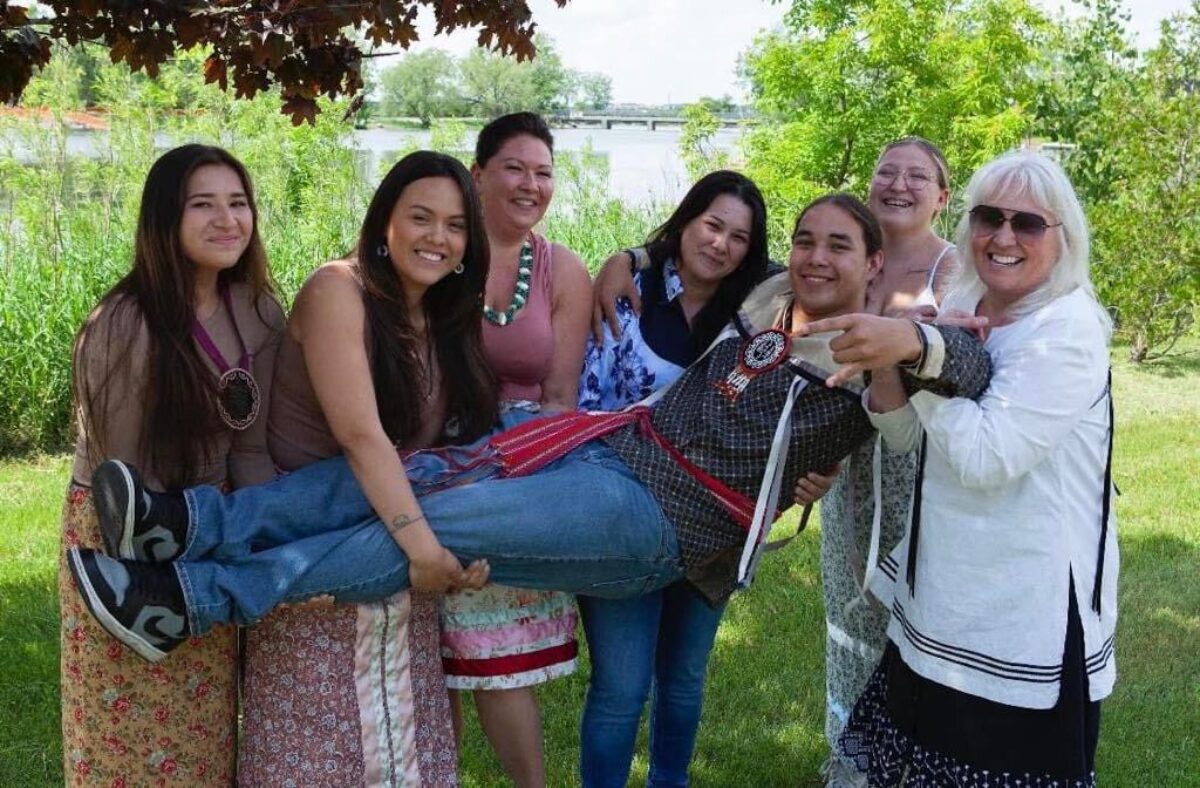
A brand-new language program from the Kanien’kehá:ka Onkwawén:na Raotitióhkwa Language and Cultural Center (KOR) launched this month, filling a gap in community programming to help advanced speakers continue to advance their Kanien’kéha proficiency.
“In order to revitalize our language, we must produce superior-level speakers, which is unattainable in only two years of language learning in an adult immersion program like Ratiwennahní:rats,” said Ohontsakéhte Montour, cultural development manager at KOR.
That programming gap became obvious to KOR, which identified a need to create opportunities to further engage advanced language learners beyond graduation.
So was borne the Shatiwennakarí:tats Mentorship Program, a six-month pilot program that launched this month. The program pairs learners with elders, who will meet regularly to immerse themselves in the language.
Throughout the six months, students will create a “personalized learning portfolio,” which will include recordings of language conversations, transcriptions to practice writing and reading skills, journal entries to reflect on progress and insights, and homework assignments tailored to individual learning goals.

“What I love about this program is its flexibility and focus on individualized learning,” said Iohsennóntion Lahache, who is the language development specialist at KOR and will be the program advisor for Shatiwennakarí:tats.
“Witnessing their progress, celebrating their successes, and watching them become confident speakers will be incredibly rewarding,” she said.
KOR had previously tried a similar pilot program, partnering with Kahnawake Collective Impact (KCI) to offer shorter-term programming in 2021 and 2023. The first pilot had only lasted 10 weeks.
“Mentees shared that it was so successful for their language-learning experience in such a short time,” Montour said. “Now with our extended timeline and greater resources for our mentees, they could reach new heights.”
The first cohort for the Shatiwennakarí:tats program started work on Monday, and the 10 students and nine elders met one another at an orientation this week. Some students will pair up for their elder visits, and some learners will attend the program for 10 hours per week and others for 25 hours per week.

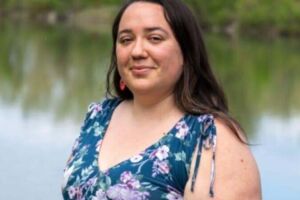
Kahentiióhstha’ (Roberta) Duhaime is one of the students in the first cohort. She signed up for the program to advance her proficiency, after graduating from Ratiwennahní:rats in 2023, and will be working with Allen Taylor over the next six months.
“It’s very gratifying to know that programs like this are happening, because these things need to be available to more people,” she said. “A lot of people would like to go into Ratiwennahní:rats but they can’t because it’s full-time and they have family, or they need to work, so there’s a need for more and more programs. I feel like we’re going in a good direction.”
Duhaime has been continuing to study at the Mohawk Council of Kahnawake (MCK)’s Tsi Niionkwarihò:ten Tsitewaháhara’n Center as part of its five-year Language and Culture Training program, but said that she’s looking forward to getting highly specific about her language-learning throughout Shatiwennakarí:tats.
“When you start, you just try to get the gist of it, and don’t get stuck on every little word. Now, I’m in a position where I can focus on what I want, and I want to do every single little word,” she said. “I don’t care if it takes me five hours to do two minutes of audio, that’s what I want to do. I want to feel like I really got it.”
Lahache said that coming up with individual learning goals like this was a key component of the application process, and students were matched with mentors who had similar expectations in mind. Scheduling compatibility, time preferences, and gender preferences were also considered when making mentorship matches, to give the program the best chance at success.
Sign up for email updates from The Eastern Door
“With so few first-language speakers remaining, it’s crucial that we create opportunities for others to become fluent and confident speakers,” Lahache said. “My hope is that this program will not only help participants develop their language skills but also foster a deeper connection to our culture and community.”
The program will be evaluated at the end of the six-month pilot period, and KOR will continue to consider the best methods to move forward with the goal of supporting more students in becoming advanced speakers.
Correction: An earlier version of this article erroneously referred to Allen Taylor as Allen Deer. The Eastern Door regrets this error.