Moratorium ends with little progress
File photo
Though the Mohawk Council of Kahnawake (MCK)’s 45-day moratorium on retail cannabis sales lifts today, nothing is set to change in the community, with progress on the cannabis file and a decision about its future at a standstill without any Kahnawake Cannabis Control Board (KCCB) members.
The MCK had implemented the moratorium on June 11, after tensions had grown in the community concerning the cannabis file. In late April, hundreds of Kahnawa’kehró:non organized a protest in town demanding that Council chiefs halt the process of issuing dispensary licenses, and by the end of June, the KCCB had no board members remaining, after board member Darlene Alfred and alternate board member Kary Robertson tendered their resignations alongside the departure of chairperson Tara Jacobs.
Before the moratorium, the KCCB had been conducting consultations with community members who live close to proposed dispensary locations, paring down a list of potential dispensary owners who had applied for a license. The KCCB was planning to award three licenses, decided via a lottery system, following guidelines to ensure that dispensaries must not be located in close proximity to buildings such as schools.
Many in the community continue to feel that opening dispensaries in Kahnawake could cause irreversible damage to the community, however regulated the industry might be.
The issue brought together both the 207 Longhouse and the Mohawk Trail Longhouse, who have presented a united front in opposition to the plans.
At the close of the moratorium period, the MCK released an open letter regarding the sale of cannabis in the community, also distributed by mail to community members.

The letter thanks various groups, including the Longhouses, for engaging on the issue, and outlines a number of safeguards that are already in place for the proposed future of cannabis sale in Kahnawake.
It outlines the requirements for dispensaries, including the geographical requirement to be at least 300 metres from residential areas, and outlines what measures would be taken to keep the industry regulated, such as prohibiting promotional advertising or enticements.
It also details the vetting process and background checks that dispensary owners and their employees will be subject to and describes the intended positive financial effect that cannabis sales would have on the local economy.
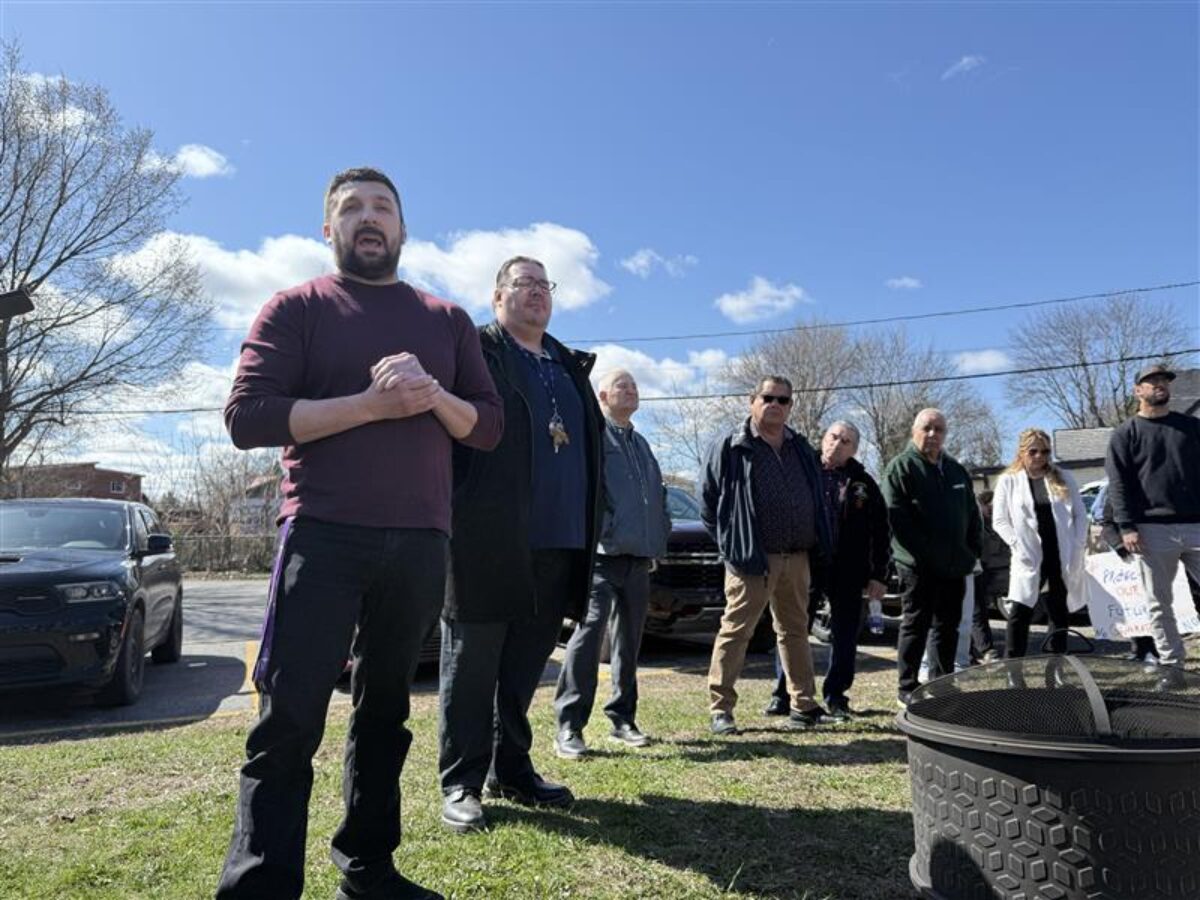
Joe Deom, a spokesperson for the Mohawk Nation at Kahnawake (207 Longhouse), said he remains unimpressed by the MCK’s response.
“I don’t think the community should stand for it,” he said. “A large part of the community is totally against the sale of cannabis no matter how it is, no matter what form. The Longhouse hasn’t changed our point of view either.”
He said that there’s been no meetings with the MCK during the moratorium, and said that while the letter describes the nuances of Council’s cannabis legislation, it doesn’t acknowledge the simple fact that a large proportion of the community doesn’t want cannabis in Kahnawake.




“We’ve stated our position, and no means no, period,” he said. “Our position hasn’t changed.”
MCK grand chief Cody Diabo said that he had hoped to get the open letter out “a few weeks back,” but that there had been delays publishing the communication following the departure of some staff.
“We know it’s kind of close coming out, but we didn’t want to not post it, because there’s information out there, and we wanted to just make people aware of what’s been going on,” Diabo said.
Diabo said that throughout the moratorium, he and other MCK chiefs had conducted engagements with community members to hear their thoughts about a regulated industry.
“The sentiments that we’ve heard are that it’s either no to cannabis, or people are open to a community-owned (industry),” he said. “We have to go back and engage the community, because currently there’s no board members, so going forward not much can get moving until that’s resolved.”
He added that while there’s no community meeting scheduled this month, he’s looking at scheduling a special community meeting to discuss the issue at greater length.
Sign up for email updates from The Eastern Door
“I would like to do a little bit more with info on our end that we can present to community members too, to say ‘Okay, this is what we’re hearing, if we were to move in this direction, this is what the cost would be, this is what we would have to look at,’ and just see what the community has to say on it,” he said.
He reiterated that nothing can progress without the KCCB.
“The board has to be there, so things are just on pause now,” he said.