Microcultivation license granted
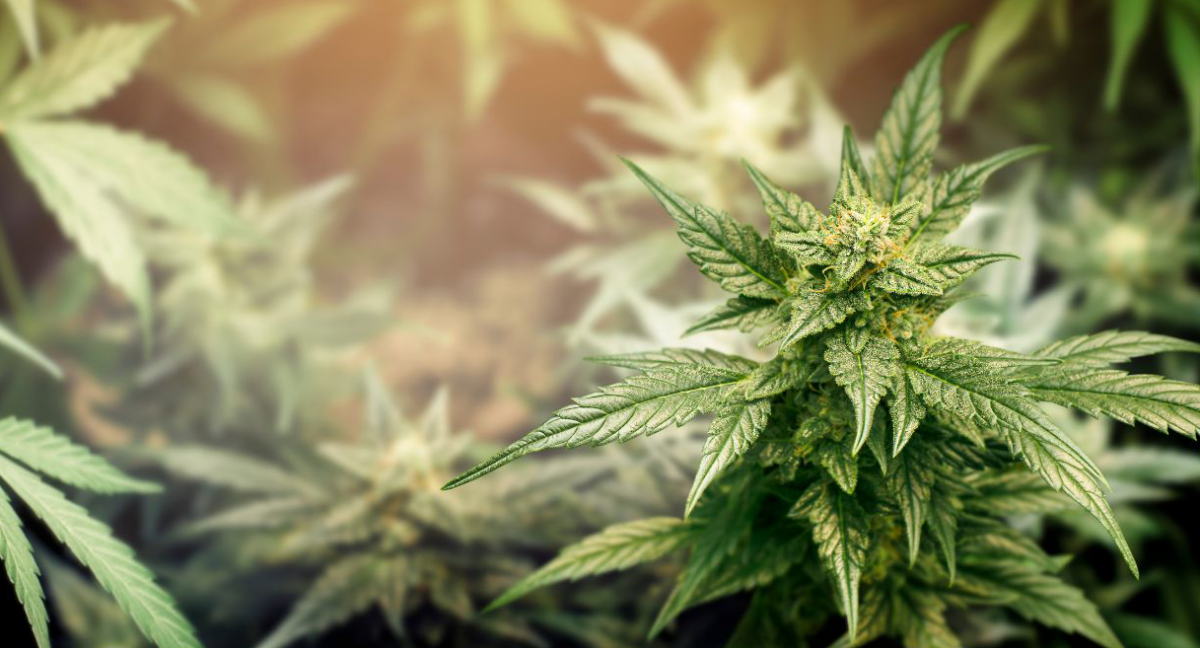
A microcultivation license has been granted to a local business, bringing the number of businesses permitted to cultivate and process cannabis in Kahnawake to two.
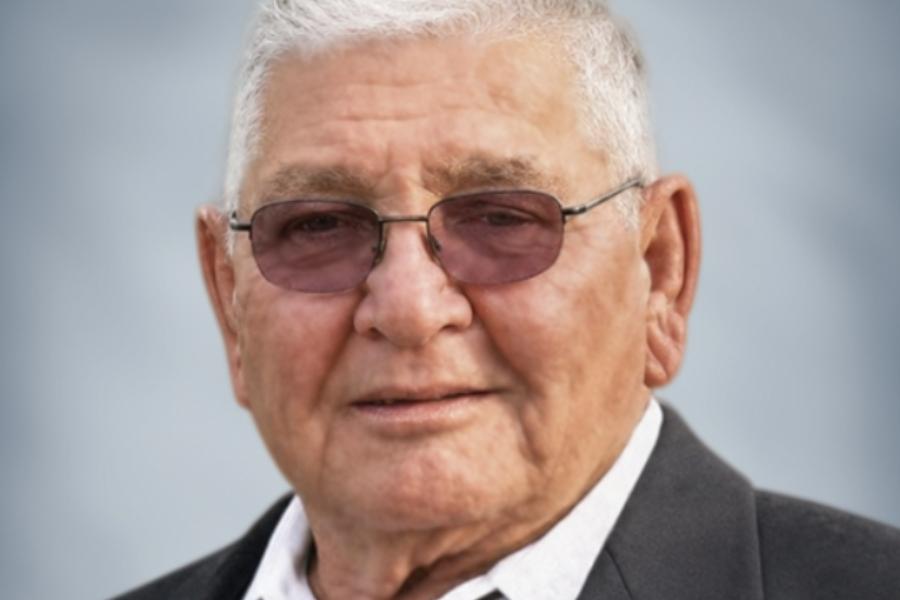
The license was granted last Friday to MSJ Cultivation, which is owned by Michael Stalk, Jr., according to Kahnawake Cannabis Control Board (KCCB) chairperson Tara Jacobs.
A microcultivation licence permits holders to cultivate and process cannabis in a space that does not exceed 200 square metres. Cultivation and processing licenses do not permit businesses to sell cannabis directly to consumers and are not dispensaries.
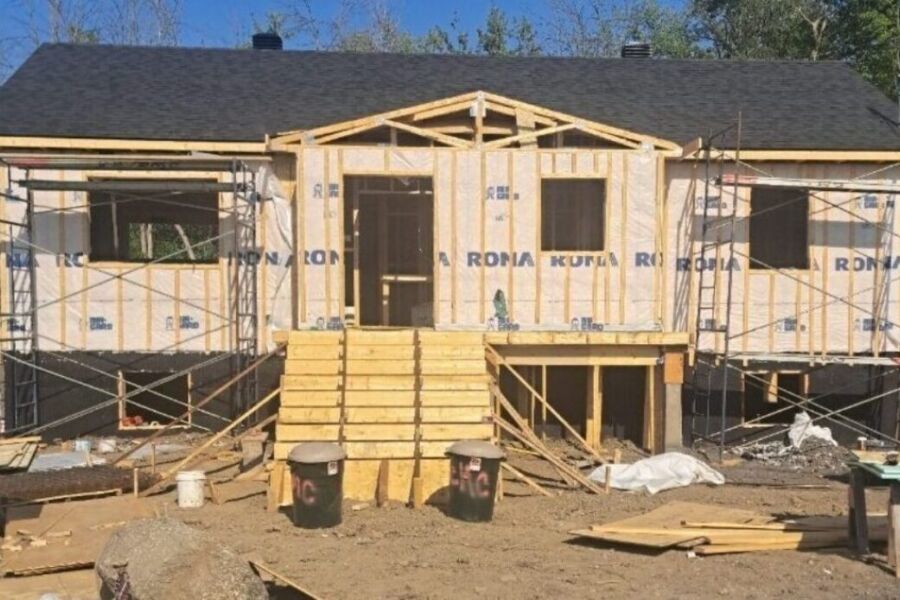
MSJ Cultivation is licensed to operate out of a site located on Highway 138.
“I think we’re moving in the right direction,” Jacobs said of the license being issued.
As well as MSJ Cultivation, a license is also held by Thomas Lahache, who operates 9076484 Canada Inc. with a standard cultivation and processing license. Lahache’s business has been licensed since December 2021.
Both businesses had to obtain Health Canada licenses to cultivate and process cannabis - a requirement of operating a cultivation and processing facility in Kahnawake. These Health Canada licenses mean that all products being supplied by the businesses are Health Canada approved, and grant Health Canada the right to inspect the facilities and products at any time.

By holding both licenses, each business is authorized to possess cannabis, as well as to obtain dried cannabis, fresh cannabis, cannabis plants, or cannabis plant seeds through cultivation, propagation, and harvesting.
They are also authorized to alter cannabis for testing purposes by changing its chemical or physical properties and sell cannabis to holders of a valid distribution license (no distribution licenses have been granted yet in the community) or export product outside of Kahnawake to a licensed processor or retailers in another jurisdiction.
Lahache’s facility currently exports product to the Ontario Cannabis Store (OCS), a Crown corporation that manages the online retail and wholesale distribution of recreational cannabis to consumers and privately owned retailers in Ontario.
He employs around 25 individuals at his facility, all bar one of whom are Native.
He said that it’s a positive step that the KCCB and Health Canada have approved another business in the community for a cultivation and processing license.
“The KCCB and MCK are further facilitating economic development within the compliant cannabis industry space, and it’s a task well achieved for health, safety, and compliance, and a job well done in licensing the new licensees,” he said.
“It’s a very hard and daunting task to achieve compliance and security measures in a practical format.”
Related Reading


Lahache had started applying for his standard license in 2019 and was officially licensed in December 2021. In order to meet health and safety obligations, workers at Lahache’s facility require security clearances and high-level training, and there are a number of mechanisms in place to ensure each aspect of the process is compliant.
Lahache said he wanted to set up his cultivation and processing facility “with the outlook that Kahnawake would have a fully sustainable industry that would benefit the community as a whole through the laws and regulations that have been posted to date.”
There are no restrictions on the number of processing and cultivation licenses (micro or standard) that can be approved by the KCCB. Applicants are subject to the board’s Regulation Concerning Licensing Requirements and Procedures under the Kahnawake Cannabis Control Law.
MCK chief Tonya Perron, who was on the cannabis file last term as well as this term, said that the MOU with Health Canada, which was signed in 2021, ensures that all product is safe. Since all eventual dispensaries will be stocking products that come only from facilities with a Health Canada and KCCB permit, they can be sure the product is of a high quality.
“Our law is to ensure health and safety, that’s the paramount consideration,” Perron said.
She said that when the law was enacted in 2018, MCK felt that they did not have the resources, knowledge, or necessary skilled workers to oversee cannabis production in a way that would ensure the safety of the product, which is why Health Canada was inserted into the law.
The MOU outlines the relationship between Health Canada, the KCCB, and MCK in processing and cultivating cannabis, and clarifies that all facilities must have both a KCCB license and Health Canada license.
Sign up for email updates from The Eastern Door
“It wasn’t meant to give Health Canada more power or anything like that, in fact it was meant to also have Health Canada recognize that the KCCB is the authority here and ultimately has the final say in things because it’s our regulatory board,” Perron said.
MCK chiefs recently discussed the prospect of a referendum on cannabis in the community, ultimately deciding against the idea.
In the November 8 edition of The Eastern Door covering the proposed referendum, it was suggested that Health Canada licenses would be required by future dispensary owners. It is crucial to note that Health Canada licenses are only required for cultivation and processing facilities, and not for dispensaries, who are only required to procure a KCCB license.
The Eastern Door did not receive a response from Michael Stalk Jr., the owner of MSJ Cultivation, before deadline.