Kahnawake signs trade agreement
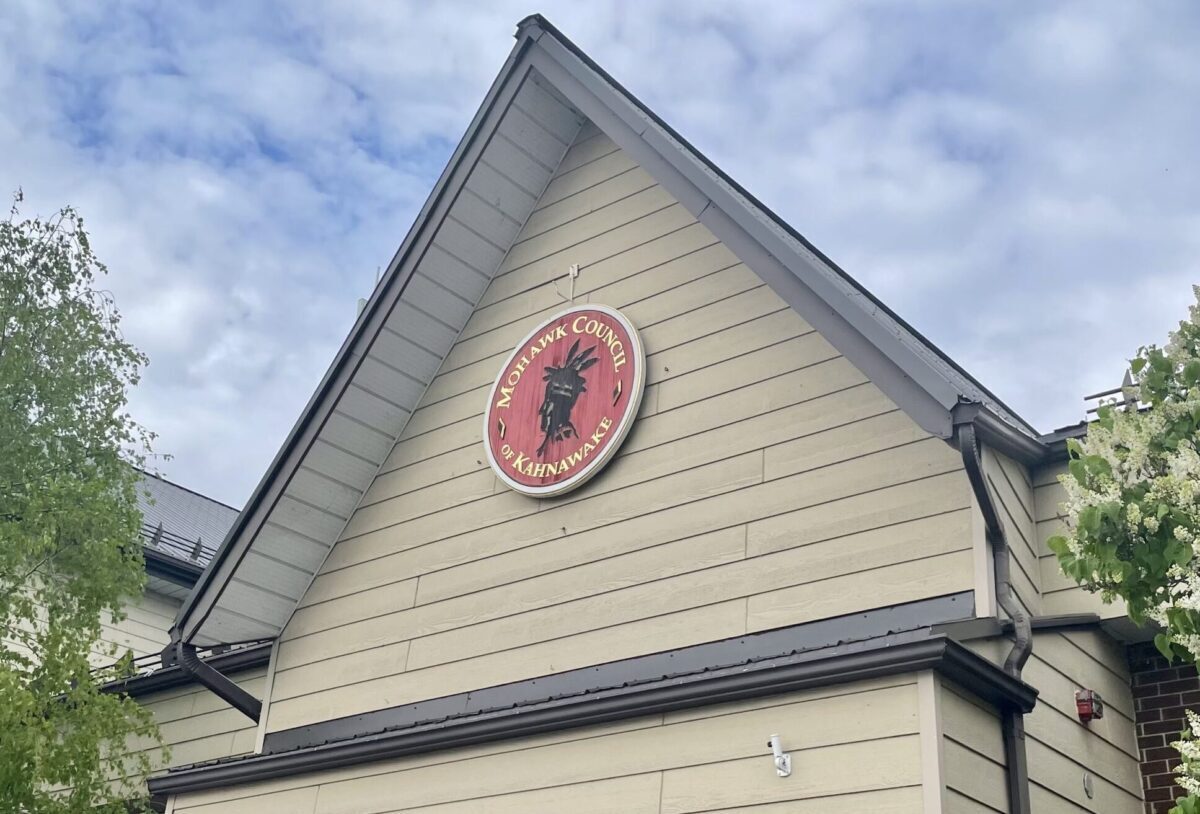
File photo
In a continuation of the Mohawk Council of Kahnawake (MCK)’s efforts in economic development and economic sovereignty, the MCK and Alberta’s Tsuut’ina Nation signed a memorandum of understanding (MOU) last Saturday, a first step in free trade collaboration between the two communities and, potentially, other communities going forward.
“It’s about us as First Nations working together, dictating our futures and dictating what we’re going to do with our resources, and not let Canada try to lead the charge,” said MCK grand chief Cody Diabo.
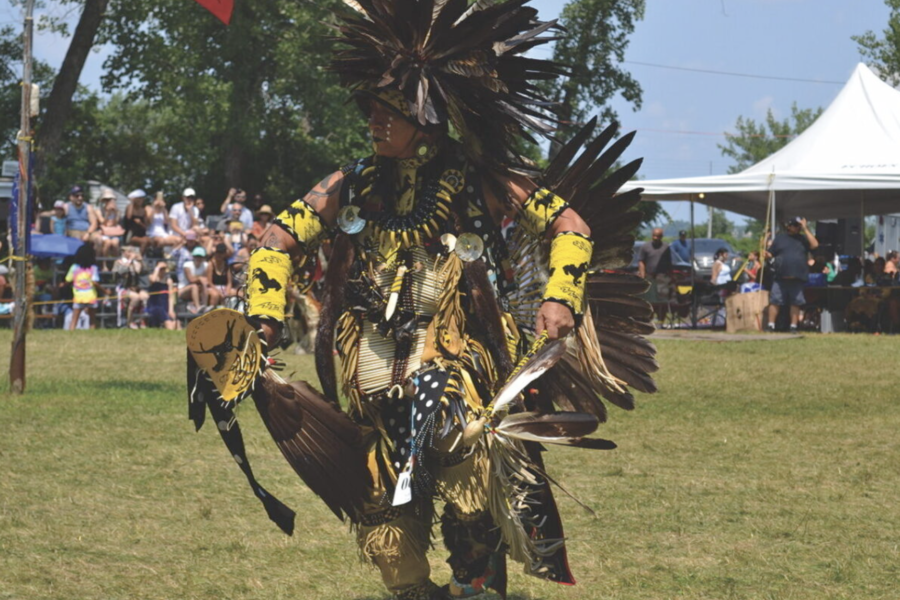
He and Council chief Paul Rice, the lead on economic development, had been invited by Tsuut’ina Nation grand chief Roy Whitney-Onespot to attend their powwow, following the cultivation of a relationship between the two nations while working together on the Federal Bill S-268 file, “An Act to amend the Criminal Code and the Indian Act.”
Rice attended the powwow, while Diabo decided to stay in Kahnawake due to the ending (the day prior) of the 45-day moratorium of retail cannabis sales.
Rice said that he and Whitney-Onespot spoke about economic development leading up to the powwow, and when the topic of signing an MOU was approached, Whitney-Onespot was very willing.
“I think it’s really a show of solidarity with our fellow nations,” said Rice.
The economic development discussions prior to the powwow also included many other First Nations - Mississaugas of New Credit, Enoch Nation, White Cap Dakota Nation, Peepeekisis Nation, Chiniki Nation, Stoney Nation, Bears Paw Nation, and Louis Bull Tribe - as well as Assembly of First Nations (AFN) national chief Cindy Woodhouse Nepinak and the Chinese consul general of Alberta.

“I anticipate us signing a lot more MOUs in the near future with some of the nations that were there,” said Rice.
He said that the nations that participated in the discussions shared many of the same concerns that Kahnawake does - the effects of Bill C-5, Indigenous Services Canada (ISC) budget cuts, and trade tariffs.
“A lot of this free trade stuff really started to become more prevalent as a result of tariffs. We looked at Canada and the United States arguing about tariffs and trade, and global trade is a hot topic,” said Rice.
“We are nation-to-nation. We don’t need anyone’s permission to trade between nations.”
It was also a good opportunity to learn about other nations’ ideas for economic development, including the Taza Development, a $10 billion project by the Tsuut’ina Nation that will take the better part of two decades to fully form.
As for the presence of the Chinese consul general, Rice said that any opportunities for trade partners away from American tariffs are worth exploring.
“There’s a lot of tourism out west. A lot of people from China come to Vancouver, Calgary, Edmonton. When you think about it that way, it makes a lot of sense that the Chinese consul general of Alberta was there,” said Rice.



“All of the different countries are looking at all their options, right? There’s no reason why we shouldn’t be doing the same.”
Rice offered some potential examples of ways free trade agreements could be beneficial for a community like Kahnawake and communities that are further away from big cities.
Being so close to a large population centre means having access to hundreds of thousands of potential customers, if not millions, he said. For more rural nations that don’t have access to that customer base, it would be a great opportunity for them to bring things to market.
“It’s very expensive the further you get from major metropolitan cities. So, we could supply them with finished goods at a lower cost, which will benefit their communities. And then locally here, we can supply some of their products to the market, and I think that that’ll benefit the consumers, and obviously drive business here in the community,” said Rice.
He said that successful businesses means successful communities - employment opportunities being the main driver of that.
“Anytime you have a strong economy, people are able to work, which means they’re able to have housing, raise families, and have an improved quality of life. So, I think that’s very important,” said Rice.
Diabo said that these economic discussions are still in the very early stages, and concrete details of what free trade between nations will look like are still being explored.
Sign up for email updates from The Eastern Door
“This kind of thing has never really been done before, so it’s new for everybody,” said Diabo.
“There are still a lot of questions, and rightly so, but at the end of the day, for me, it opens up possibilities for our peoples. That’s what we should be doing, we should be looking forward.”