Jacobs selected for Directors Lab
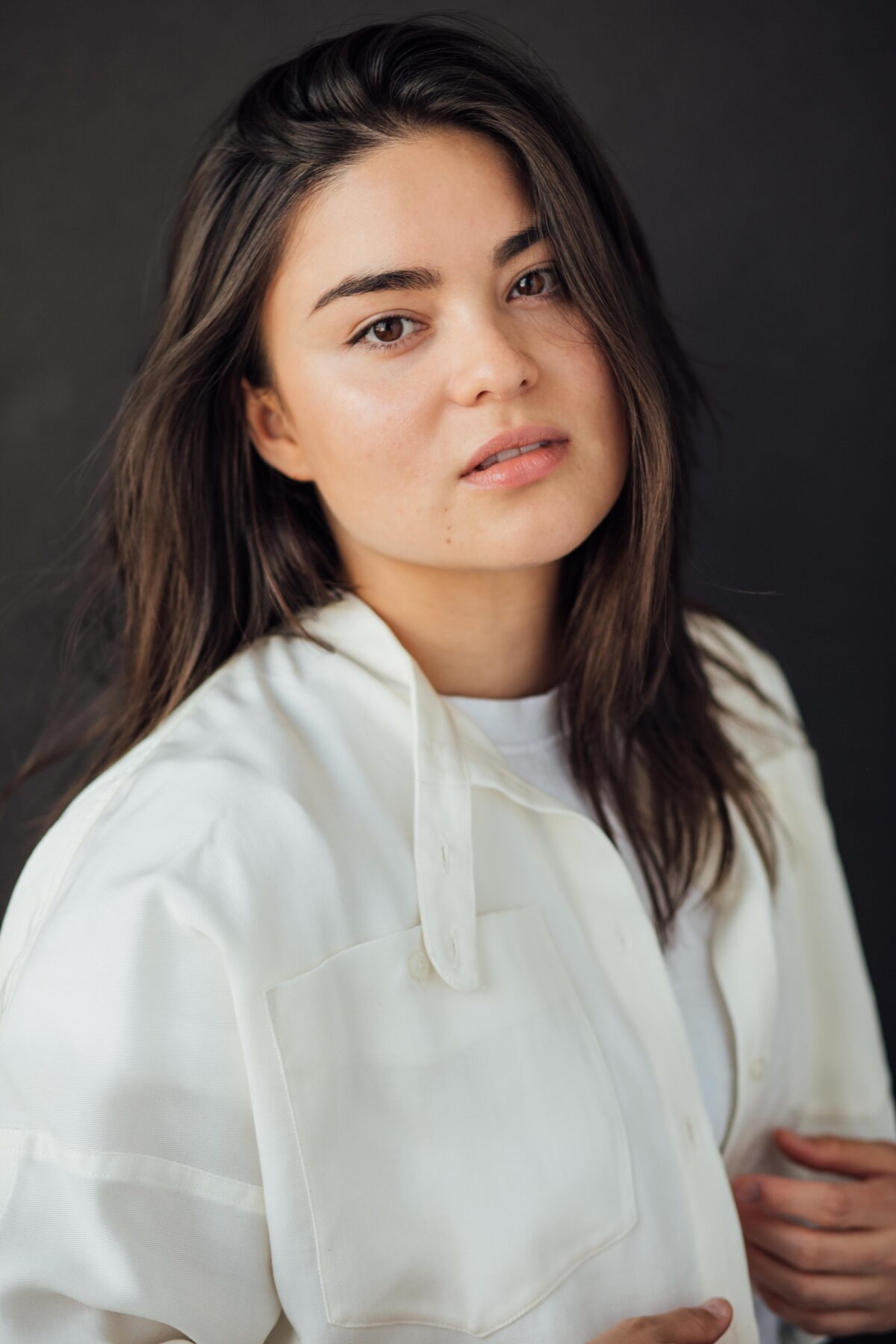
Kawennáhere Devery Jacobs is one of nine fellows selected for the prestigious Directors Lab, hosted by the Sundance Institute in Colorado. Courtesy Kawennáhere Devery Jacobs
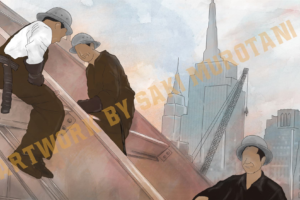
Sixty stories in the sky, a Mohawk ironworker wrestles with his identity, torn physically and emotionally between his community back in Kahnawake and the bustling streets of Manhattan, where his growing feelings for a white photographer lead him to question everything.
It’s a story that could’ve have happened in real life, and it’s one that Kawennáhere Devery Jacobs is currently working on bringing to the screen, with help from Sundance Institute’s 45th Directors Lab, a prestigious extended retreat where promising young filmmakers are selected to workshop their projects in Estes Park, Colorado.
Her film, High Steel is one of eight projects selected for this year’s lab, and she’ll be able to rehearse, shoot, and edit scenes from her screenplay under the mentorship of a team of industry experts.
“I’ve been working on High Steel for almost eight years. It’s been a passion project for a long time,” Jacobs said.
Set in 1991, Jacobs describes the story as “an observation on Mohawk masculinity, identity, and sexuality,” and the script has gone through many iterations throughout the years. Most recently, Jacobs worked on refining it at the 2024 Sundance Screenwriters Lab, where she was selected as one of 16 fellows out of more than 3,400 submissions to develop her script with creative advisors at the Sundance Mountain Resort in Utah.

Since then, she’s been refining her script, and she said she’s excited to start bringing it to life in Colorado.
“I feel really honoured and grateful to be a part of it, and I can already see how much these labs are strengthening my script and story,” she said.
The lab will allow Jacobs to experiment with her script, testing out shots and styles to see what does and doesn’t work.
“You get to experiment and explore and discover, and that’s something that usually as a director you don’t always get the opportunity to do, because film crews are so expensive, so you’re left to just envision things as opposed to trying them out tangibly,” she said. “You don’t get to throw creative spaghetti at the wall as a director usually.”
The story is special to Jacobs, with ironworking running in her blood on both sides of her family. As she continues to pursue film and television work in big cities like Toronto, she’s also personally reckoned with what it means to move away from home and still keep that tie to her community.


“I think I can understand those two different worlds really clearly, and that’s something that I’m incorporating into the script and story. There’s a lot of personal things that I poured into it,” she said.
“There’s conversations about infidelity, identity, what it means to be a good Mohawk person or man, and also what it looks like when you’re in the city, not to feel the weight and responsibility of being a community member, but getting to be an individual in the city.”
With such heavy themes to contend with, Jacobs said she’s looking forward to using the lab to see how they play out on screen.
“Because it’s a lab setting, the pressure is off to make a perfect final product, the whole point of the process is to make mistakes, discover things, and see what’s resonating with me and what I want to bring over to the final film,” she said.
Jacobs will be one of nine fellows involved in the lab, which runs from June 1-16. Other works selected include writer-director Chheangkea’s film Little Phnom Penh which spans two decades from post-Khmer Rouge Phnom Penh to early 2000s California, a film by Malaysian-Iranian filmmaker Difan Sina Norman called Sitora exploring the arrival of a young doctor in a Malay village, and Alexandra Qin’s work Thirstygirl which examines themes of addiction.
Sign up for email updates from The Eastern Door
With such an array of films and writers coming from all over the world, Jacobs said she’s excited to see how the cohort can inspire one another.
“It’s just inspiring to be around these people, learning about their projects and their passions, getting to see people and how different they are, but also how true they’re being to their own tastes and interests, and I think it’ll give me permission to do the same,” she said.
“Seeing the types of projects they’re making is really inspiring and invigorating and it makes me feel hopeful for independent film and what stories are coming out of this generation.”