Inflation benefits to continue
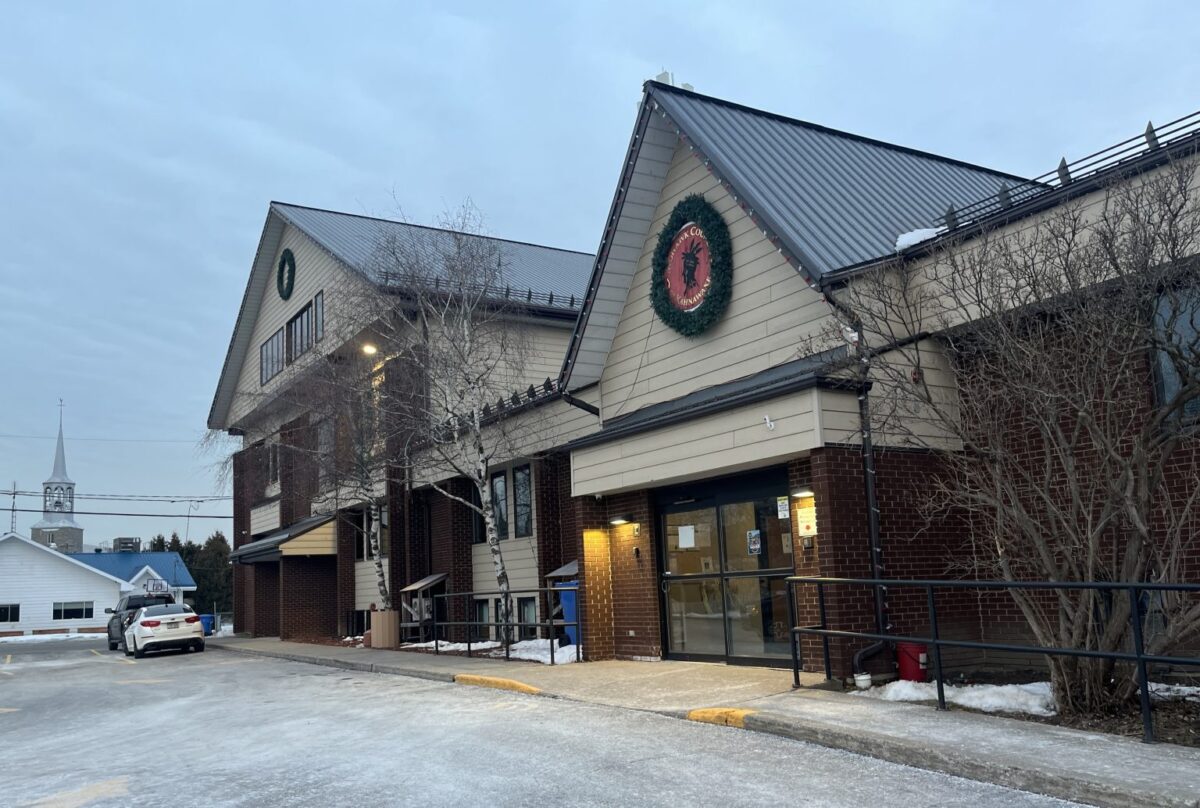
Those on social assistance will continue to be offered inflation benefits in the new year, the Mohawk Council of Kahnawake (MCK) announced.
The benefits offered since 2023 were initially expected to end after the summer. That was until the MCK realized there was still some prior funding left over from an envelope from Indigenous Services Canada (ISC), said Alexis Shackleton, director of Client-Based Services.
The amount is enough to allow the department to continue offering the benefits until at least the end of March, she said. Some already started being rolled out this month.
A total of 360 households in the community rely on social assistance, Shackleton said, a much lower number in comparison to prior years.
“We are very happy to be able to support the community in the best way we can,” said Shackleton, whose department is responsible for overseeing the MCK’s social assistance program. “We’re seeing that the majority of people are working in the community.”

Most of the benefits that’ll be offered next year aren’t any different from those offered previously under the inflation program, except for two that are new.
The first is a “household essentials hamper,” a basket that’ll be gifted to community members with items like cleaning products and toilet paper, which are expected to be delivered by January.
Two more courses are also now available under their “inflation support courses.” They include a financial literacy course that’ll be offered through Kahnawake’s Caisse Populaire, as well as a nutrition course that’ll be hosted in collaboration with the Kateri Memorial Hospital Centre (KMHC).
“This is a special initiative, and it’s something we’re looking to continue in the future,” Shackleton said.




Benefits that’ll continue to be offered include one that helps community members buy winter coats or boots, one that can be used to pay toward heating costs, and funds for essential items like groceries. Those eligible for the benefits automatically receive them, there’s no need for them to apply for them ahead of time.
Shackleton said she’s hoping Canada will continue offering inflation-related funding for First Nations in the next year. Right now, however, it’s up in the air what kind of funding ISC will be willing to contribute - in April, the department announced the temporary funding relief measure had come to its end.
The annual inflation rates fell to 1.9 percent in November, according to a report released by Statistics Canada. The cost of groceries went down slightly in November in comparison to the same time last year, falling by 2.6 percent. That said, grocery costs are still high, having risen by 19.6 percent since November of 2021.
Rental costs are particularly high for new tenants. For two-bedroom apartments, the cost of rent for turned over apartments rose by 23.5 per cent across the country, according to an annual report by the Canada Mortgage and Housing Corporation (CMHC) released in November. This segment of the rental market contributed to over 40 percent of total rent increases in 2024.
Sign up for email updates from The Eastern Door
This article was originally published in print on January 3 in issue 34.01 of The Eastern Door.