Improving local financial literacy
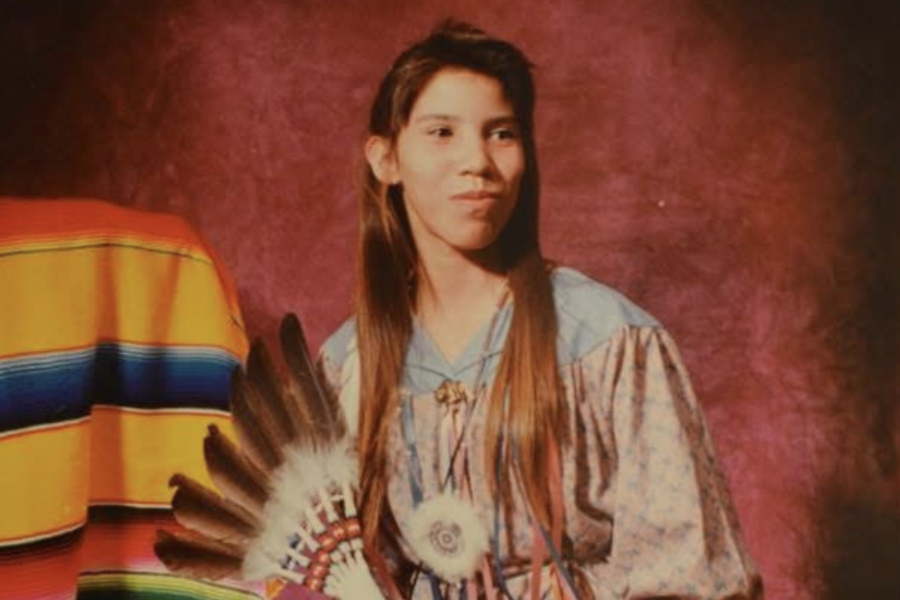
Courtesy Louise Mayo
Louise Mayo wants Kahnawa’kehró:non to have the tools to reach their personal financial goals - whether that means saving for a future family home, or if it’s all about one day buying that motorcycle they’ve always dreamed of.
As part of her mission to get community members equipped with the knowledge they need to achieve those goals, Mayo teamed up with the First Nations of Quebec and Labrador Health and Social Services Commission (FNQLHSSC) and the First Nations of Quebec and Labrador Economic Development Commission (FNQLEDC) for a financial literacy workshop series held last week, where around 12 Kahnawa’kehró:non joined to take control of their financial futures.
“I just feel that knowledge is power, and that everybody has the right to spend their money how they choose, but if people can make informed decisions about it, you know exactly what your money can do for you,” Mayo said. “It’s all about you, it’s all about your personal goals, and these workshops are to help people when they go to the bank so they can say, ‘This is my money, and it needs to work for me.”
Mayo said she’s been particularly passionate about workshops like this coming to Kahnawake now, particularly in the context of her work related to First Nations Child and Family Services, where she’s been helping former youth in care in applying for compensation related to the class action settlement that seeks to compensate children and their families who were harmed by the chronic underfunding of on-reserve child welfare services.
That claims process will see more than $20 billion of compensation distributed to eligible claimants, with each applicant expected to receive in the field of $40,000 per claim.
For many, that’s a vast sum of money, and it can be intimidating to navigate saving, spending, and investing that compensation.
“One of the things I came to learn very quickly is that a lot of these young people, when they were in care, never had the opportunity to learn about the importance of financial literacy, all of the essentials and basic things,” Mayo said.
Some of the participants were community members who may be entitled to compensation or their family members, and with the help of the FNQLEDC’s housing and financial literacy advisor Jonathan Michaus, the group spent two hours exploring practical tips and tools about how to manage money.
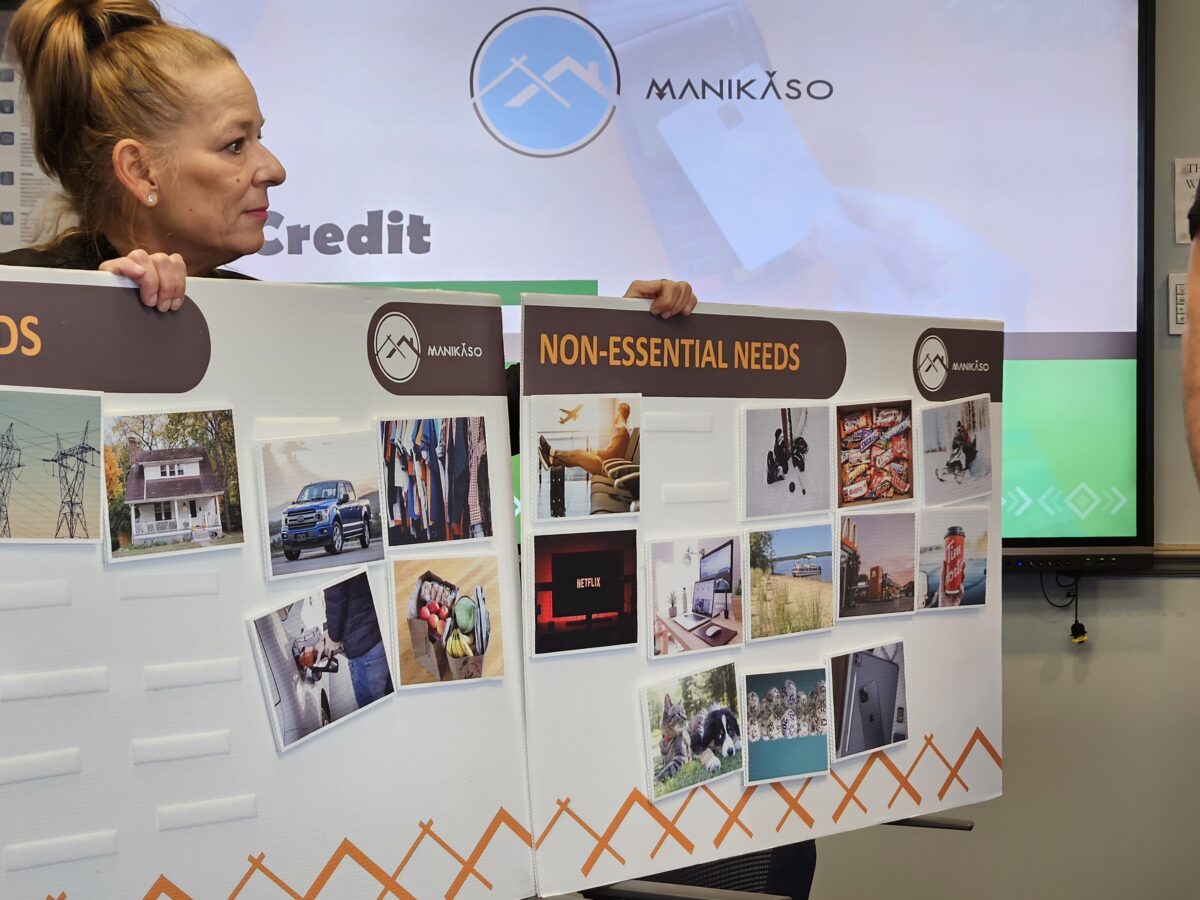
They started with an icebreaker exercise where participants placed velcro cards of things they could use their money for, arranging them into categories of essential and non-essential items, to help individuals visualize how to budget for their necessary daily needs as well as long-term “dream items.”
They also discussed how to understand the concept of credit and credit cards, how to master the art of budgeting, how to pay off debt, and how to seek out support from financial advisors.
“The workshop really gave youth and people in general the financial literacy that they really want to know, but it’s information they might not have,” Mayo said. “Now they can look at what’s important and know how to pay of their debts, how to look at their spending, and how they can save for a rainy day.”
Mayo plans to offer more workshops in the coming year for community members who want to know more about managing their money, especially former youth in care who may be navigating the class action settlement.
Sign up for email updates from The Eastern Door