Hiring spree to begin soon
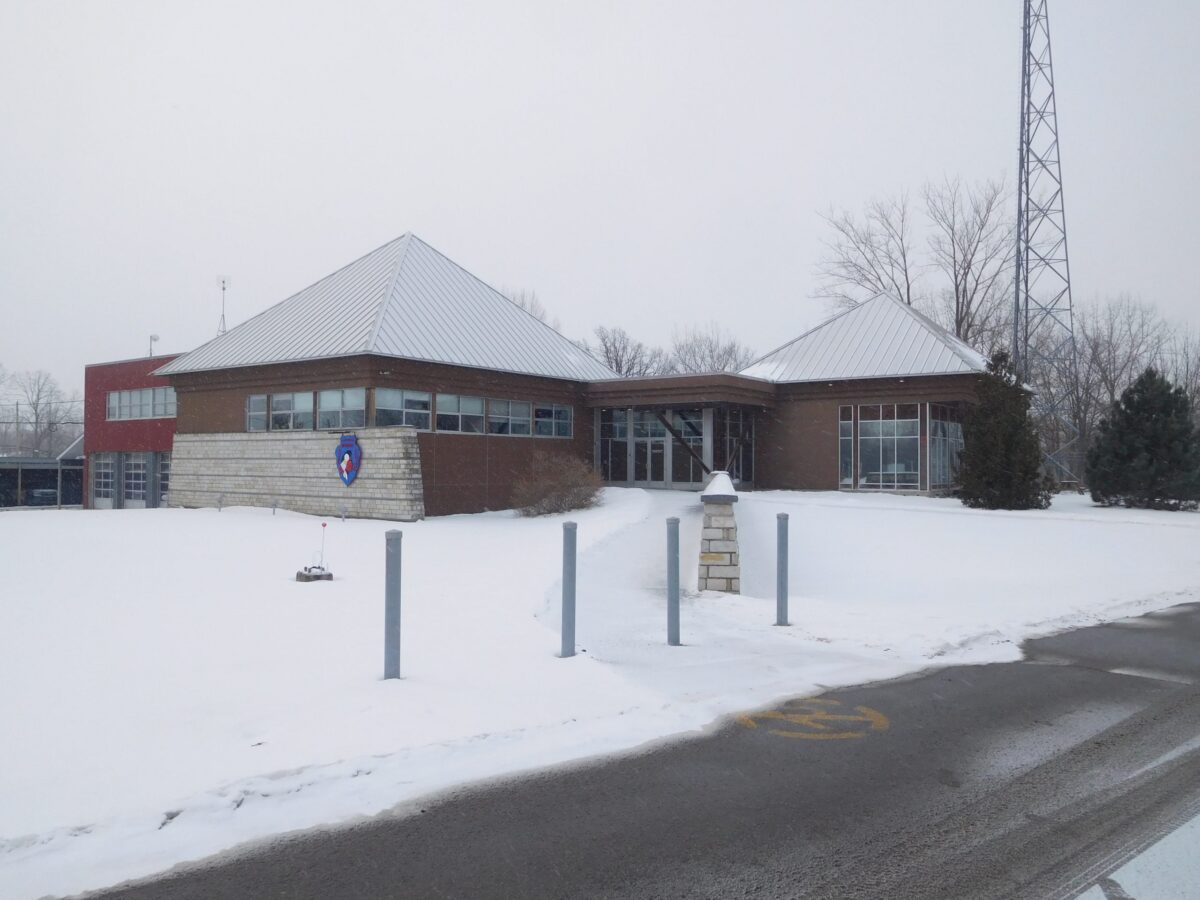
Nine additional officers will soon join the ranks of the Kahnawake Peacekeepers, following a boost in funding recently negotiated with Quebec and Canada.
Both governments provide funding to the force on an annual basis through a policing agreement. This fiscal year that agreement brought in roughly $6.2 million. An extra $2 million in stabilization funding however is now expected to be added to that amount, police chief Dwayne Zacharie said, bringing the projected total to roughly $8.2 million.
“The new approach the government has taken is to start to reconsider what the actual and true cost of First Nation policing is,” he said. “We don’t have a new policing agreement, but the one that we are in now is going to be amended, and there will be additional resources in the budget.”
The Peacekeepers will be able to expense that $2 million over the next fiscal year too, something it hasn’t previously been permitted to do, Zacharie said. That is once the updated policing agreement is signed and finalized in coming weeks.
That shakes out to just over $1 million from the federal government, and just under $1 million from the province.

“This will give us the ability to hire even more Peacekeepers and to properly staff the shifts as we wanted,” Zacharie said.
That extra funding could also make way for a renovation of their station, he said, to ensure it can house the additional officers.
Council chief Ryan Montour said it’s evident both governments are trying to placate the community.
The Peacekeepers are among 22 First Nation and Inuit police forces in the province that have launched a human rights complaint alleging their underfunding constitutes discrimination. The Canadian Human Rights Tribunal has already agreed to hear the case.
Last November, a Supreme Court ruling also sided with a judgment out the Quebec Court of Appeal ruling both Canada and Quebec owed the community of Mashteuiatsh $1.6 million to make up for years of underfunding its police service. Canada has agreed to pay its part. Quebec, meanwhile, asked that the court overturn the ruling.
“That, combined with our human rights complaint, is something that is waking up the federal government and provincial government. They’re worried about a massive lawsuit where it looks like they know they’re probably going to lose,” Montour said. “They’re trying to get out of it by appeasing us.”
The nine officers expected to be hired come in addition to eight recently selected to join a new Highway Patrol Unit anticipated to hit the ground by next year.
In all, it stands to bring the force from 36 officers up to 53, Zacharie said, that is if you exclude retirements or other departures. Two Peacekeepers have already announced they’ll be retiring soon, and many more are eligible, he said.
“Having the resources is one thing. Being able to identify the people to fill those positions is another,” the police chief said.
Of the eight selected to join the Highway Patrol Unit, the majority are locals, but it took months to secure the talent. Some had to be recruited from other Indigenous communities.
Sign up for email updates from The Eastern Door
“We have to live and work in the community that we’re responsible for providing services in, so it’s a very hard career path to take,” Zacharie said about the challenges that come with recruiting locally.
“When you’re dealing with some of the hardest things you’ll ever deal with in your life, fatalities and stuff like that, these are people that you know.”
Three out of the eight hired are women. Two will head out as soon as next week for training at the Royal Canadian Mounted Police’s (RCMP) academy in Regina, Saskatchewan.