Give a seed, take a seed

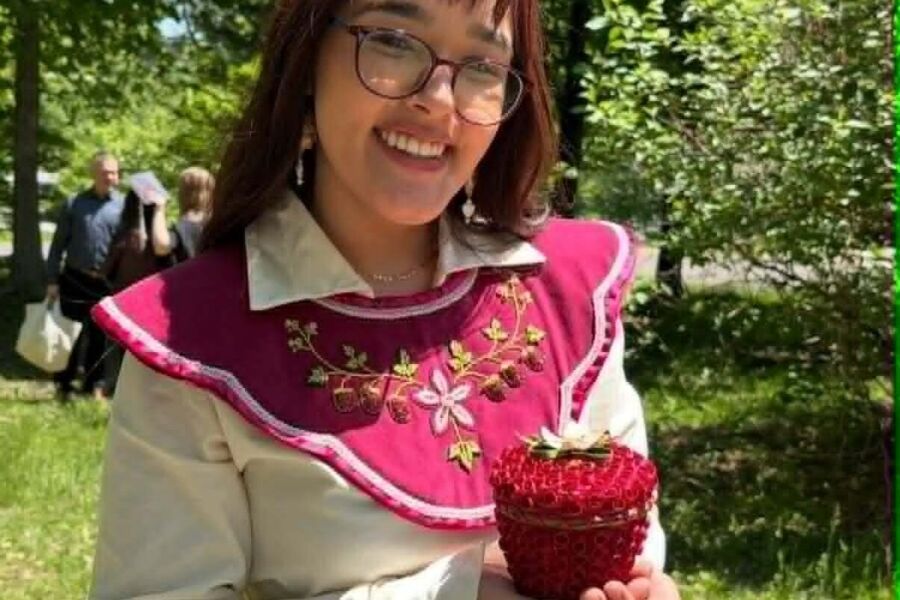
Heirloom seeds were shared at the Kanesatake Health Center’s seed exchange and giveaway event on May 2. Courtesy Valerie Karonhiatákwen Gabriel
Free heirloom seeds for Kanehsata’kehró:non were offered at the Kanesatake Health Center this past weekend in an effort to keep Indigenous seeds alive and increase food sovereignty efforts in the community.
“My goal is to direct these seed giveaways primarily to our community members, to give them access, first and foremost, to support their learning journey back to the land,” said Valerie Karonhiatákwen Gabriel, farmer with the Kanesatake Health Center (KHC).
The seeds are meant to propagate heirloom varieties in the community and encourage more Kanehsata’kehró:non to grow Native plants, said Gabriel. Bear paw pole bean, Seneca blue pole bean, and buffalo creek squash were some of the seeds offered to community members at the Tsontkwahtentionhátie farm on May 2. Attendees looking to share seeds put them in labelled envelopes, bags, or a jar and dropped them into a communal basket for others.
A handful of people came out to the seed trade and giveaway event, mostly those concerned with keeping Kanien’kehá:ka culture, language, and farming practices alive, said Gabriel.
“I’ve already heard them in action about teaching or saving some component of ancestral knowledge,” said Gabriel, referring to the attendees.

Gabriel’s seeds at the event were varieties she received from communities like the Seneca Nation of Indians and were either personally grown and harvested by her or were part of the crops she helped plant at the Tsontkwahtentionhátie farm last year.
“The seeds that were given away were the seeds I grew from other communities who’ve given it to me. So my responsibility, basically, when other people give me seeds, is to do the same,” said Gabriel.
“It’s my personal goal to be able to distribute seeds and to help people trade their seeds everywhere I go.”
The practice of trading heirloom seeds is part of a greater effort to restore Indigenous food sovereignty practices after centuries of colonizers compromising Indigenous connections to their land and food sources, said Gabriel.
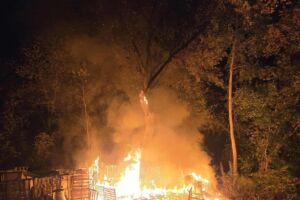
Throughout history, attacking food sources has been a colonial weapon. For example, French armies repeatedly burned Indigenous farm fields and destroyed their winter food stocks in conflicts in the 1600s.




Over the centuries, forced migration of Indigenous Peoples, including under Canada’s Indian Act, contributed to food-system destruction by displacing Indigenous people from their Native food-sources and traditional lands.
“It’s an uphill battle to be able to furnish our people with enough seed stock, because of how much energy was put into destroying our seeds. It’s almost like we need five times that amount to be able to bring it back,” said Gabriel.
Many seeds went underground for their survival, she said.
But these past decades, she has seen more people feel safe enough to share the heirloom varieties, and seed-trading events have increased.
“Having connection with ancestral seeds that our ancestors grew is a way to honour them for keeping them alive this long,” said Gabriel.
Sign up for email updates from The Eastern Door
She encourages the community to contact her if they are interested in planting heirloom seeds. She also plans to do more seed sharing events in the future.
“If we’re going to be making a difference in this society and in this world to make it a better place, I think everybody needs to relearn their connection with food,” said Gabriel.
“Seed saving and seed sharing is a great way to allow that to happen.”
Hadassah Alencar, Local Journalism Initiative Reporter