Longhouse meets on Alto, Ottawa protest
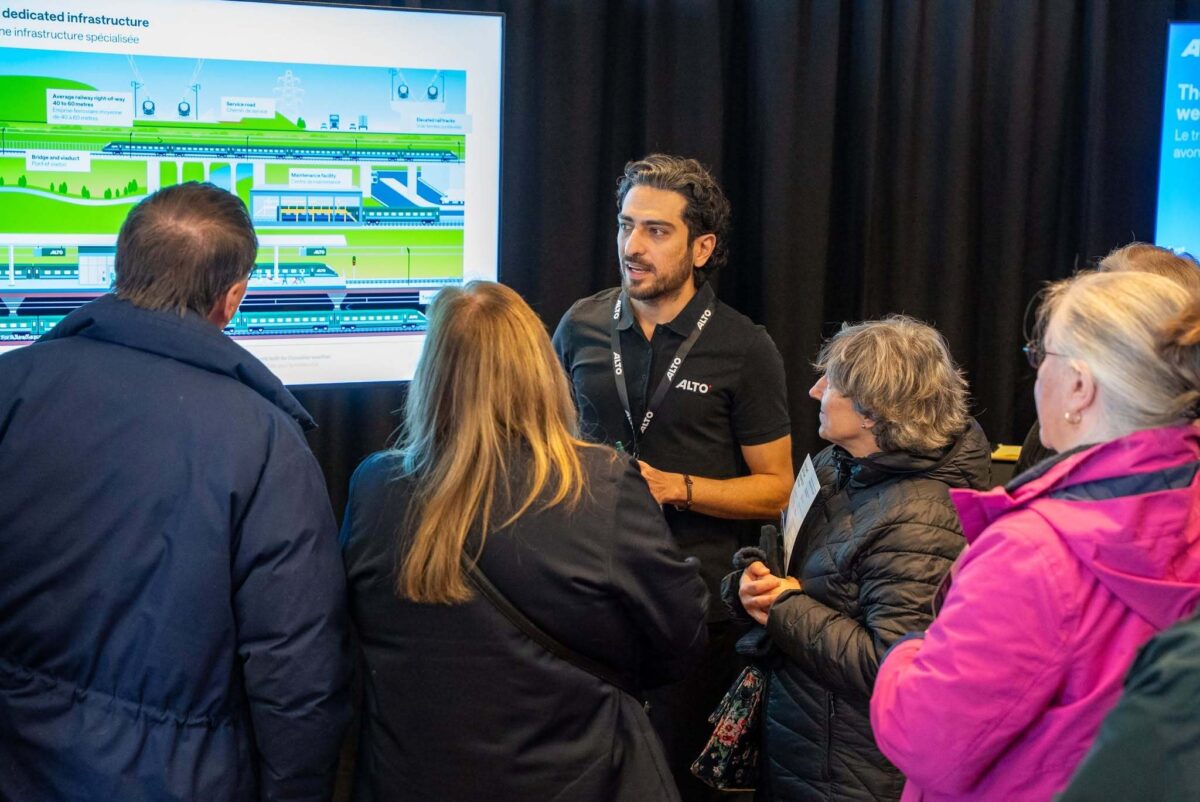
Courtesy Alto Facebook page
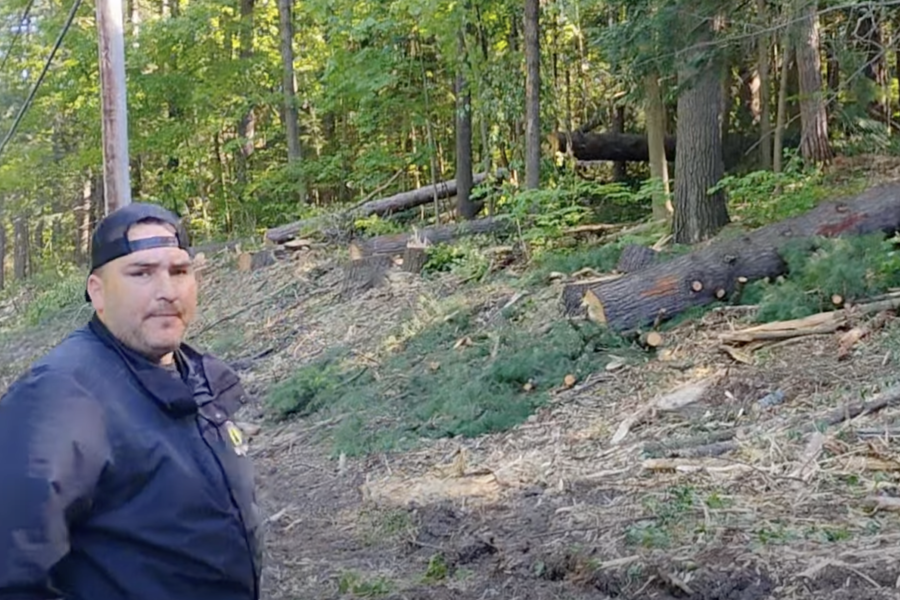
Members of the Longhouse in Kanesatake met to discuss their support for efforts opposing the Alto high-speed railway project last week, with some attending an anti-Alto protest in Ottawa, in events that follow a Longhouse letter opposing the project in April.
“I can tell you my point of view, and pretty much everybody that I know they have the same point of view: We’ve been fighting land theft of our territory for so long, we’re still fighting,” said community member Karonhienhawe Nicholas, who participated in the Longhouse meeting about Alto on Monday, June 8.
“We don’t agree with it, not at all,” said Nicholas, about Alto, the proposed high-speed railway project connecting Toronto, Ottawa, Montreal, and Quebec City. “They’re taking part of our ancestral land. It’s not only our ancestral land, our territory, but it’s also going to disrupt the ecosystem, the migration of the animals that come through here, that live around here, and it’s just absolutely no.”
The Longhouse did not respond to requests for comment.
On June 10 hundreds participated in an anti-Alto protest, including politicians, farmers, civil groups and some Kanehsata’kehró:non in Parliament Hill, Ottawa. The protest showcases a growing rally opposing the estimated $60 to $90 billion train, which is projected to travel 300 KM an hour in a route connecting almost half of Canada’s population.

Alto’s projected route will not travel through Kanesatake territory, but it is set to go through Kanesatake ancestral lands north of the community’s existing territory.
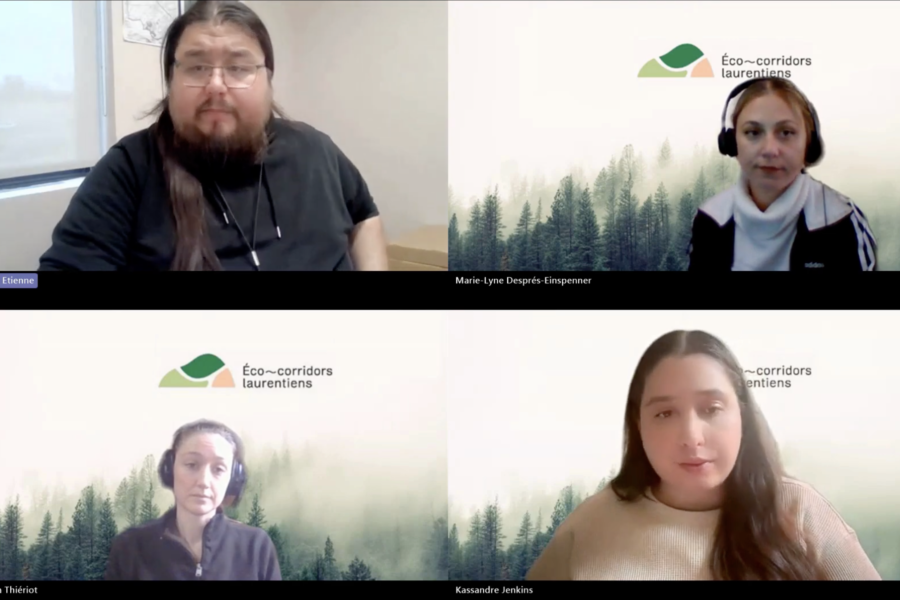
The caretaker council of the Mohawk Council of Kanesatake has not received information regarding the Longhouse meeting nor the Longhouses’ stance on Alto, said caretaker council member Brant Etienne.
Protests against Alto in Ottawa do not have an impact on MCK decisions over Alto, said Etienne. Meetings about Alto with the community will continue.
“Our job is to look at issues and potential projects that come up in the light of what’s best for Kanesatake,” said Etienne.
“It’s wise to see the whole picture first before coming to a decision,” said Etienne. “We haven’t seen the whole picture yet. The government and Alto doesn’t even know the whole picture yet, so coming to a final decision now would not be in the best interest of Kanesatake.”
Draft survey results about Alto reveals Kanehsata’kehró:non have many concerns with land claims, cultural, and environmental ramifications the project could bring. The final report of the survey is underway.
In the draft report, many community members shared they worry the project will infringe on or jeopardize Kanesatake’s ancestral land claims, as well as hurt cultural practices by destroying habitats and wildlife necessary to traditional practices, such as medicinal plants.
But all responses to the survey included that Kanesatake “retain authority over decisions affecting its lands and future,” according to the draft report.
“Any path forward must be grounded in a rights-based approach that recognizes Kanehsatà:ke not as a stakeholder, but as a rights-holder with authority over its lands,” reads the draft report.
Alto spokesperson Caroline Des Rosiers wrote, “If there is openness to it, such an exchange could take place as early as this summer. We would welcome the opportunity to meet with community members in Kanehsatà:ke to hear different perspectives and continue building our understanding of their concerns and expectations, with a view to addressing them collaboratively.”
Sign up for email updates from The Eastern Door
In a June 17 email, Alto vice-president of Indigenous relations Danielle Bélanger said the company was ensuring that “Indigenous knowledge, expertise and perspectives help shape the project.”
Alto’s commitment to Indigenous Peoples includes to “honour the rights and perspectives of Indigenous communities” and “create long-term socio-economic benefits and opportunities for future generations,” according to the email.
Hadassah Alencar, Local Journalism Initiative Reporter