A decade of immersion needed
Organizers hope for a bigger building to accommodate more students. Fern Marmont The Pines Reporter
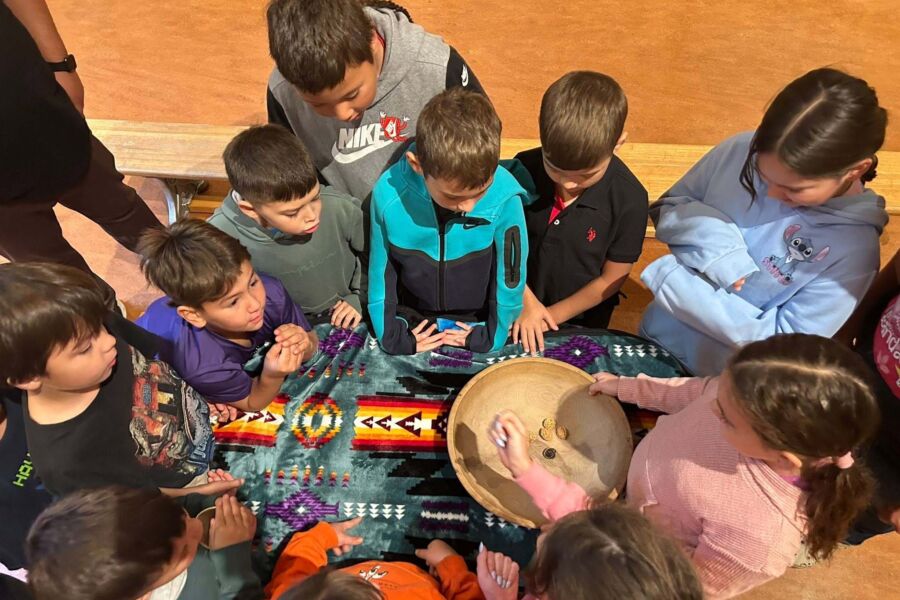
The Ratiwennenhá:wi Kanien’kéha language immersion program is celebrating 10 years of official language revitalization efforts. When students return from summer break in September, staff plan to begin developing a 10-year strategy for the future of the program.
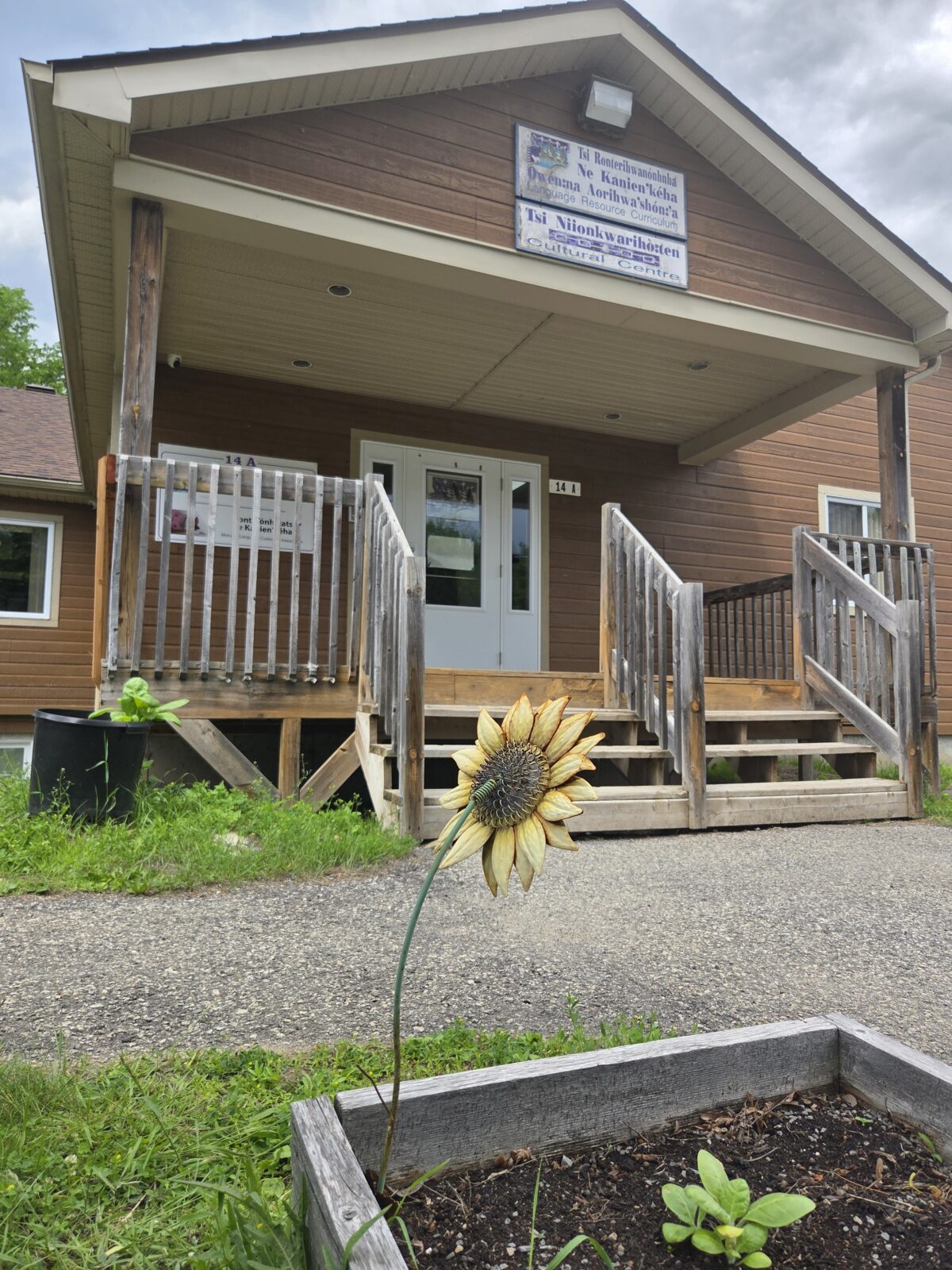
Hilda Nicholas, director of the language and cultural centre, has spent years leading language revitalization efforts. With the recent graduation of a cohort that earned certification through a McGill University program, and with the current cohort being the largest in the school’s history, this year marks a milestone in a long journey.
“This graduation was just epic,” said Nicholas. “It was a very proud moment. I was so proud of the students.”
On June 1, graduated students received a teaching certificate as part of a program offered by the Office of First Nations and Inuit Education (OFNIE) at McGill. The program allowed them to work towards the certificate alongside their studies at Ratiwennenhá:wi.
Nicholas added that language teaching and language revitalization have been happening for much longer than a decade, but a major turning point came in 2016, when funding allowed for the hiring of teachers and the establishment of the immersion program, and the first cohort was enrolled in September 2016.
Since then, the program has continued to grow, recently gaining more interest in the community. Nicholas said this was the first time so many young adults had been interested in the program.

“It has to continue,” said Nicholas, adding that despite the progress, language revitalization is an ongoing challenge that requires sustained commitment from the entire community. “There is no room for it to slow down.”
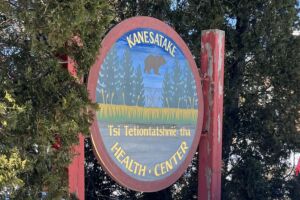
Nicholas said that community partnerships have played a critical role in the program’s success. Collaboration between organizations such as the Kanesatake Health Center (KHC) and education institutions like McGill have helped strengthen the language program and expand opportunities for the students.
“We must all work together,” said Nicholas.
Nicholas said that after the summer break, the immersion program will start the process of developing a 10-year strategic plan to build on the progress made under a previous five-year plan.
“I would like to see this community speaking again in the language like the way I grew up,” said Nicholas, who added she hopes to see every part of the community working towards the shared goal of restoring the language into a living, everyday way of communication.
Wenn’tiio Will Gareau, a language teacher at Ratiwennenhá:wi, wants future students to come directly from high school with enthusiasm to learn, and with their excitement to revitalize the language..
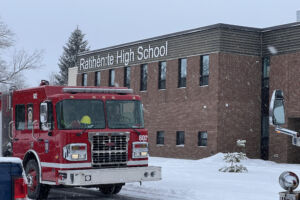
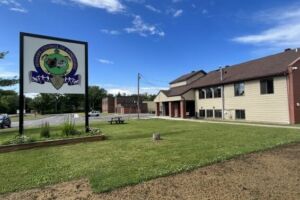
Gareau said that he was largely unaware of the extensive work being done to preserve the language when he was younger, yet now he realizes and recognizes the contribution of earlier teachers and advocates across the past decade.
“I feel fortunate to be part of a bigger story,” said Gareau. “This is much bigger than myself.”
Gareau said his daughter’s birth led him to teaching, and the decision to place greater importance on using Kanien’kéha.
“I never imagined that I would be a teacher,” said Gareau, who added that before teaching he worked as a machinist. But teaching and contributing to language revitalization has given him a greater sense of purpose.
“Even if it’s extremely challenging at times,” said Gareau. “It’s much more meaningful and impactful; it’s worth it.”
Gareau said that while the community and language school are relatively small, it could be an advantage in revitalization efforts, as it allows for progress to happen more quickly than in larger communities. For him, the biggest sign of progress in the past decade has been the increase in younger speakers.
Sign up for email updates from The Eastern Door
“We’ve never made speakers in this way before,” said Gareau.
Nicholas said that while no official plans for the future will be made until school resumes in September, she hopes to see the construction of a heritage centre dedicated to language activities. The new building would also help accommodate the growing student population, as every cohort seems bigger than the last.
“Our language gets revived through community effort,” said Gareau. “Everyone has a role to play.”
Fern Marmont, Local Journalism Initiative Reporter