Foster parents urgently needed
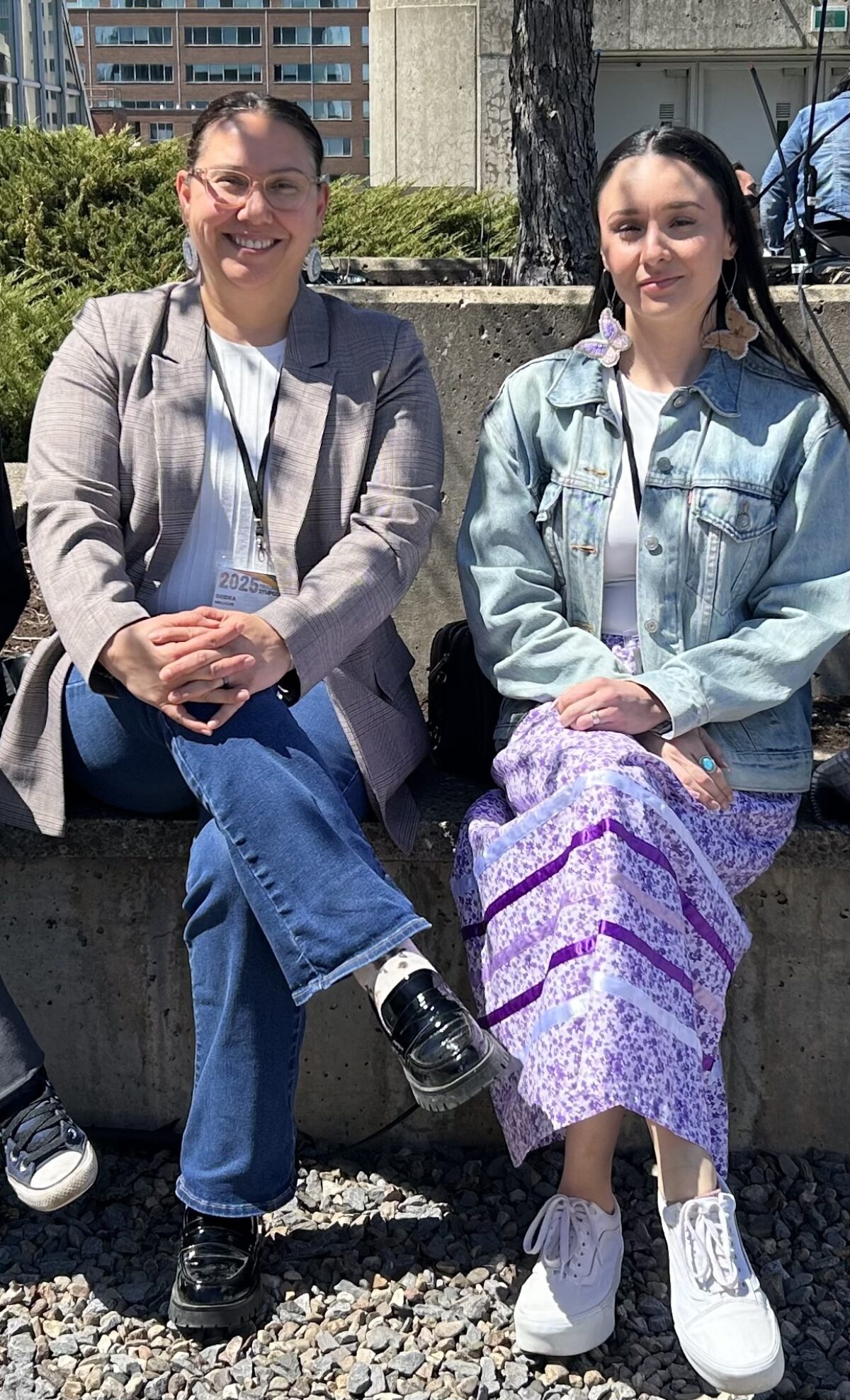
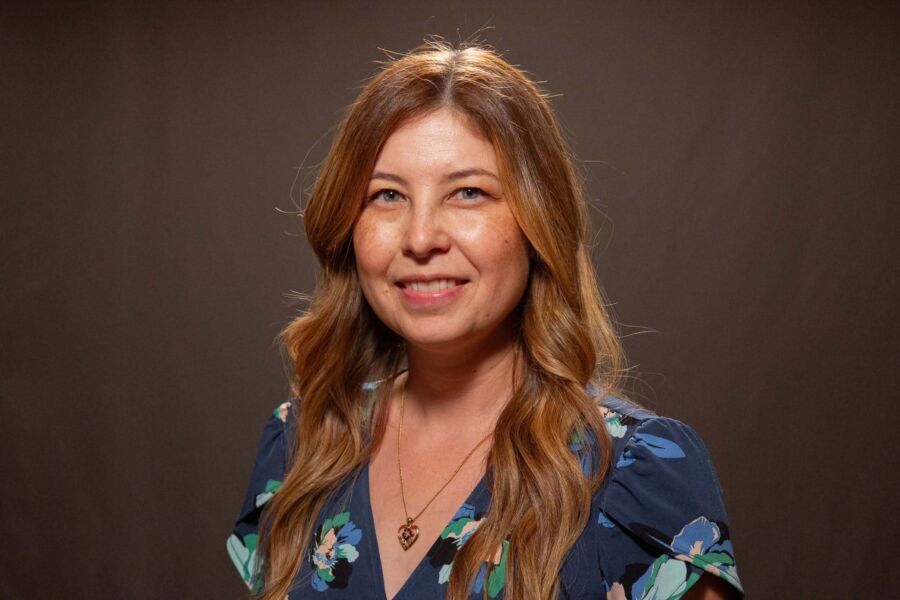
Deidra Meloche (left) and Mariah Konwasé:ti McComber (right) are asking the community for help in finding more foster parents in Kahnawake. Courtesy KSCS
Kahnawake Shakotiia’takehnhas Community Services (KSCS) would like to have a network of families and individuals that would be willing to open their homes to local youth in urgent need of foster homes – people that can make a deeply upsetting time more stable for the youngest generation in the community.
It’d be ideal to have a bank of people they could reach out to in those times of need, a large number of people that could ensure no youth is faced with leaving the community and staying in a group home. Right now, they only have one placement available in their emergency network.
“This is a continuous, urgent need,” said Deidra Meloche, a Tsi Ionteksa’tanónhnha’ Foster Care Resource worker at KSCS, who said the team is desperate for more people to step in and support youth in need.
“We need 10 more, 20 more, anything helps. We need the whole community to come in and say, ‘We’re going to raise these children.’ It really takes a community, so we’re hoping people open their homes and their hearts to help these kids.”
Along with Mariah Konwasé:ti McComber, Meloche coordinates with foster parents and families in KSCS’s network. The two are appealing to the community for help recruiting more foster parents and want to emphasize that the future of child welfare is in the hands of the community, not the colonial government.
“We’re in charge, we’re driving our own boat, and we have very little influence from the outside,” Meloche said. “We want to be sensitive and transparent and mend those bridges and heal with the community.”
McComber and Meloche are a bridge between youth caseworkers and the foster parents, and their role is to find foster homes and work with foster parents, rather than to determine the circumstances for a removal. They organize check-ins with foster parents and monthly meetings where all foster parents in the community can come together and build connection.

There are two types of foster placements that they work with: kinship care and regular care.
Kinship care concerns situations where a youth cannot be cared for by their immediate guardian, and is instead placed in the care of another family member, such as an aunt or sibling. Usually, a kinship placement is identified by a KSCS caseworker, who will work directly with a youth and their family.
Regular care is for situations where family placements are not available. In a regular care placement, a youth would be placed with another home within the community.
Right now, there are 26 youth in care from Kahnawake. Of those youth, 11 are in kinship placements and 12 are in regular care placements. Three are in placements outside of the community.
Often, situations where a youth needs a placement can be urgent and unexpected. Right now, with only one emergency home, the team is uneasy, knowing that there will likely be a need for more than one emergency placement in the coming weeks or months.
“That’s the reality of our current life, there’s always going to be an emergency,” Meloche said. “Until we’re 100 percent healed, we’re going to need people to come in who are willing to care.”
Interested foster parents meet with the team for a family assessment and interview, where potential foster parents will be asked general questions about their history, as well as questions about how they would approach the placement to ensure the child is supported and cared for. They will also be asked about their own home situation, for example if they have other children, and how they will navigate that with the youth being placed in their care.






The team also carry out a police check and a reference check, as well as a physical home assessment where they will go into a potential family’s home and ensure that the space fills the basic requirements for care, such as ensuring the child would have an appropriate space or bedroom of their own.
A person is not automatically excluded from being a parent if they have a police record, either, and situations are addressed on a case-by-case basis, with consideration given to the type of charge and the length of time passed since the incident.
Questions may also be asked about an individual’s experience with addiction, and equally, the team does not exclude individuals who have had past trouble with substances but who have since worked to overcome it.
In the intake interview, the KSCS team will also discuss what kind of placements an individual might be available for, be that short or long term – both of which are options for potential foster parents.
“Every situation is different. It could be 30 days, it could be longer, depending on the severity of the situation or the abilities of the parent, it could be longer term,” Meloche said, adding that short-term care placements are also needed, since there’s often court measures requiring a child be removed for only 30 days.
It’s also a misconception that foster parents can only be experienced family units. Being a foster parent is open to anyone over the age of 25.
“You could be single, you could be in a relationship, married, working, not working, retired, a student, as long as you’re there to love and care for the child, that’s all that matters,” McComber said. “As long as you have that nurturing feeling in you, it would help them out a lot.”
Sign up for email updates from The Eastern Door
The team is also there to help find compromise in situations, for instance if a foster parent is a student, and isn’t available to pick the child up from school. Foster parents are also supported with funding that comes from First Nations Child and Family Services, that is administered by KSCS, which help cover costs associated with having another person in the home.
“It’s a last resort to be looking outside the community, our primary goal is to keep kids within the community, and we will interview anyone who’s willing to help,” McComber said.
Community members who want more information are welcome to reach out to speak with McComber or Meloche or can drop by their information booth on May 29 from 10 a.m. to 2 p.m. at Tóta Ma’s.