Former university advisor alleges racism
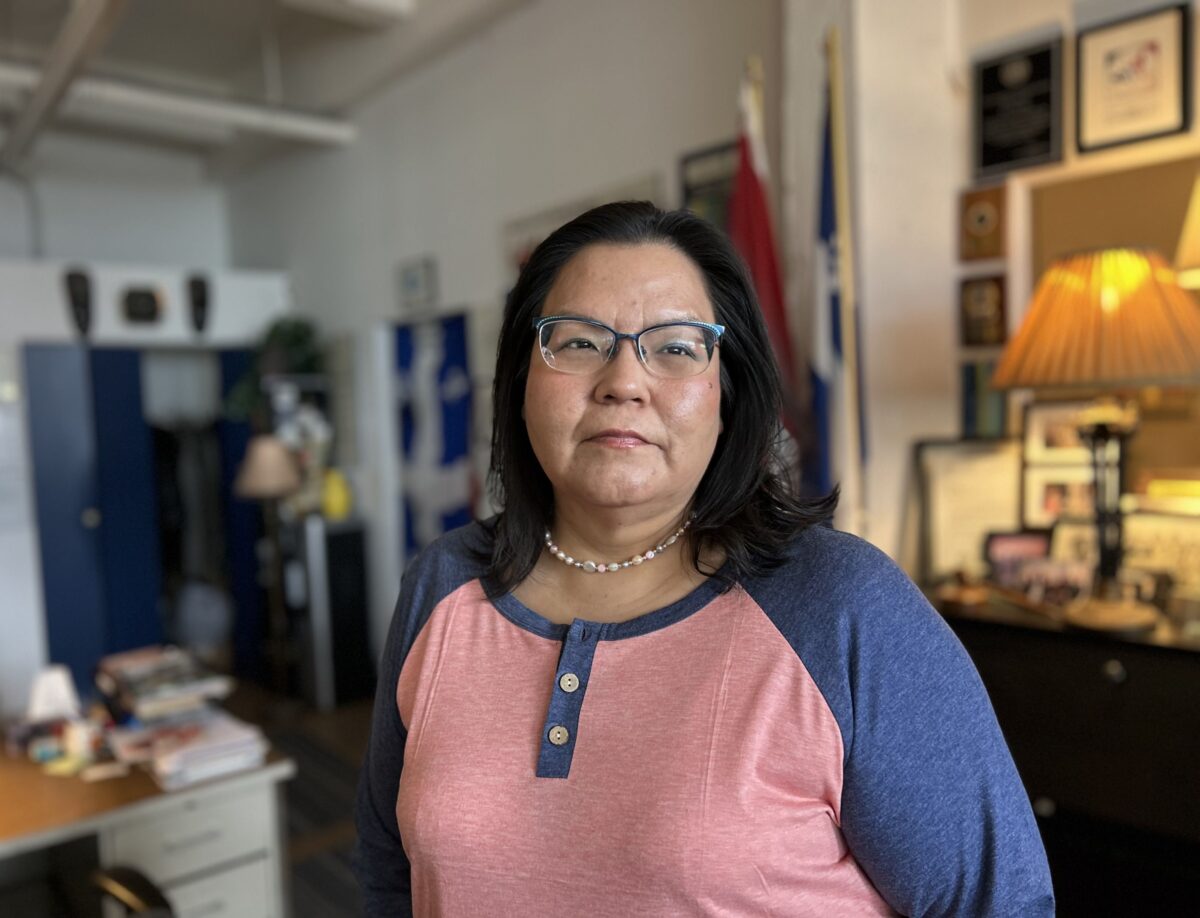
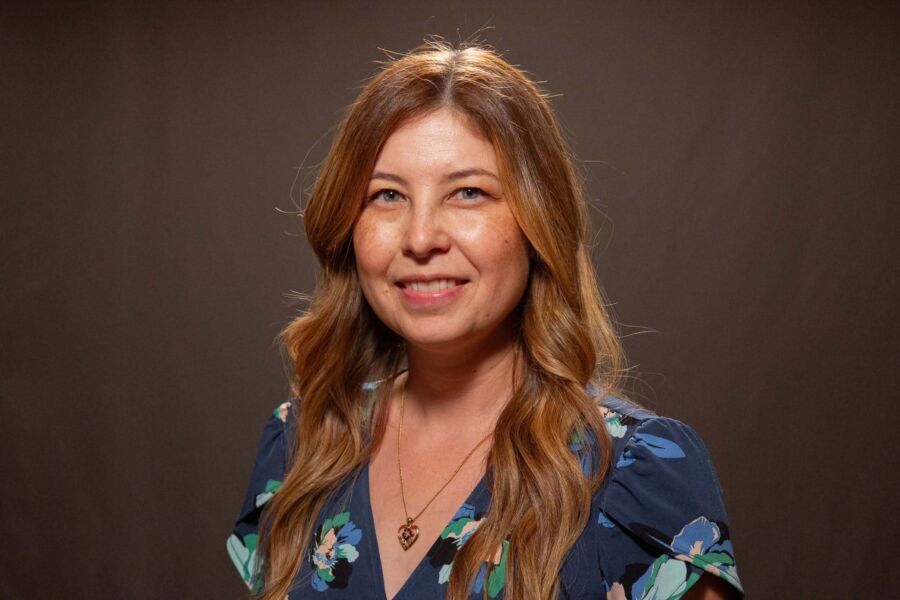
Maya Cousineau Mollen has decades of experience working in roles that further the interests of Indigenous people, but she said her experience at the Université de Montréal last year presented challenges that she’d never seen before. Eve Cable The Eastern Door
When Innu poet Maya Cousineau Mollen was appointed to the role of senior advisor for First Peoples Relations at the Universite de Montreal in May 2024, she was hopeful that she would play a part in the ongoing project of reconciliation, and further the interests of Onkwehón:we students and staff.
She never thought that one year later she’d be working with the Center for Research-Action on Race Relations (CRARR) having filed an official complaint against her former employers alleging systemic racism.
“I never felt senior over there. I just felt small,” Mollen said. “Like a dumb Indian.”
Mollen alleges that she experienced a lack of support from the very beginning of her employment, a pattern of behaviour that she believes highlights the systemic barriers that Indigenous employees face to successfully integrate into the work life of the university.
She said that while she was hired in the role as part of the university’s 2024-29 action plan to create a more culturally secure environment for Indigenous employees and students, she was given little onboarding for the role, with no information about how her progress would be monitored and feedback administered.
She alleges that she sought mentorship and support from administration above her numerous times without success, and felt like she was more of an executive assistant to the team than a senior member of staff.

With the exception of one Indigenous member of staff, most of those individuals were white, and Mollen said she felt no effort was made to understand her lived experience as an Indigenous person.
“It was very disappointing,” she said.
Mollen alleges that she did not receive training on internal administrative policies and procedures, and received no information on measures concerning employment equity, cultural accommodations, and employee assistance programs. She was also not informed of the university’s reimbursement processes and policies, and Mollen said she was criticized for requesting that accommodation and travel expenses for a business trip be covered in advance, as well as for requesting payment for overtime hours for that trip.
In October of last year, she was informed that she would no longer be employed at the university, and that she was to leave the workplace immediately, without notice.
“I never got help,” Mollen said.
Mollen had shared her experiences at the university on a LinkedIn post, which Fo Niemi, executive director of the CRARR, saw. He said that her story set off alarm bells.




“Many of the things she mentioned just fit in the pattern of what we call systemic racism in employment, particularly in the context of First Nations and First Peoples when they come to a predominately white institution with a big bureaucracy,” he said.
One of the major aspects that struck Niemi was that Mollen was unable to get the appropriate feedback required for her to succeed.
“If she’s in charge of relations with First Peoples and there’s not much of a foundation, policy, structure, or procedures for her to be able to carry out her job functions, then she was set to fail,” Niemi said.
Niemi worked with Mollen to help her submit a complaint with the Quebec Human Rights and Youth Rights Commission, which was filed in March. It can be a long process for these types of complaints to be reviewed, but Niemi and Mollen are hopeful for a potential solution to be reached via mediation in the coming months.
“The timing is very important, because the new semester starts in August, September, so we want to have hopefully not only a positive resolution, but also something positive for the Indigenous community of the Université de Montréal, who can know that after this disastrous experience, something good can come out of it,” Niemi said, adding that he and Mollen are hoping to see firm commitments to change coming from the university.
“We believe that her case is strong. Her case is ultimately about how the university is going to redefine their relationships with First Nations.”
Sign up for email updates from The Eastern Door
Mollen said that she’s not trying to get her job back but instead is seeking real change from the institution.
“I want them listening, to be able to acknowledge that they made a mistake,” she said. “We need to get a teaching from this.”
The Universite de Montreal acknowledged receipt of The Eastern Door’s request for information on their hiring and onboarding processes, as well as a request for comment on Mollen’s allegations, but did not respond before the publishing deadline.