Deer returns to Concordia as a professor
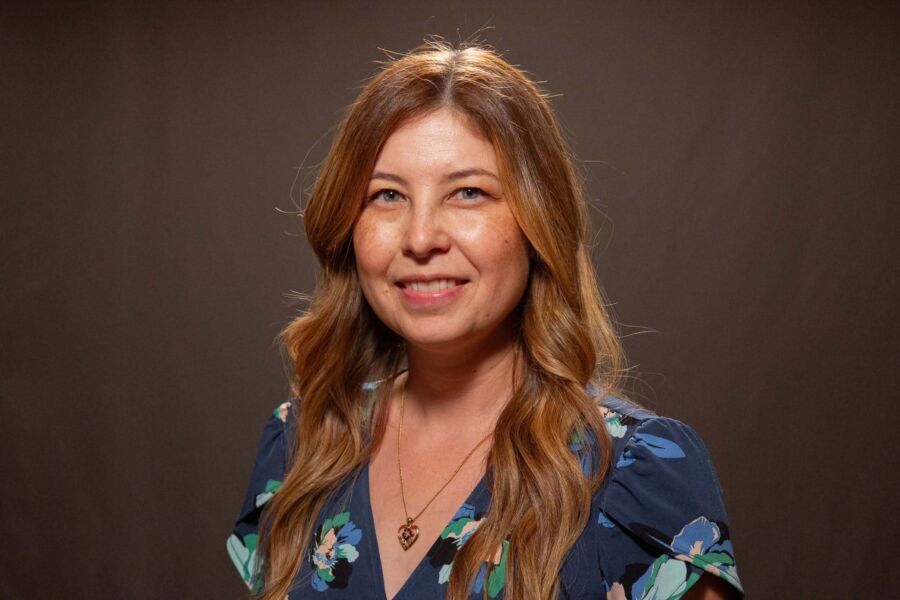
Throughout her decades-long career in the field of Community Economic Development (CED) - the practice of building local economies through community engagement and collaboration with governments and the private sector - Kahnawa’kehró:non Allison Deer has accomplished a lot.
That includes obtaining her master’s at Cape Breton University, consulting for the Women’s Economic Council, and her current senior advisory role at Bimaadzwin, an organization which seeks to promote Indigenous economic development.
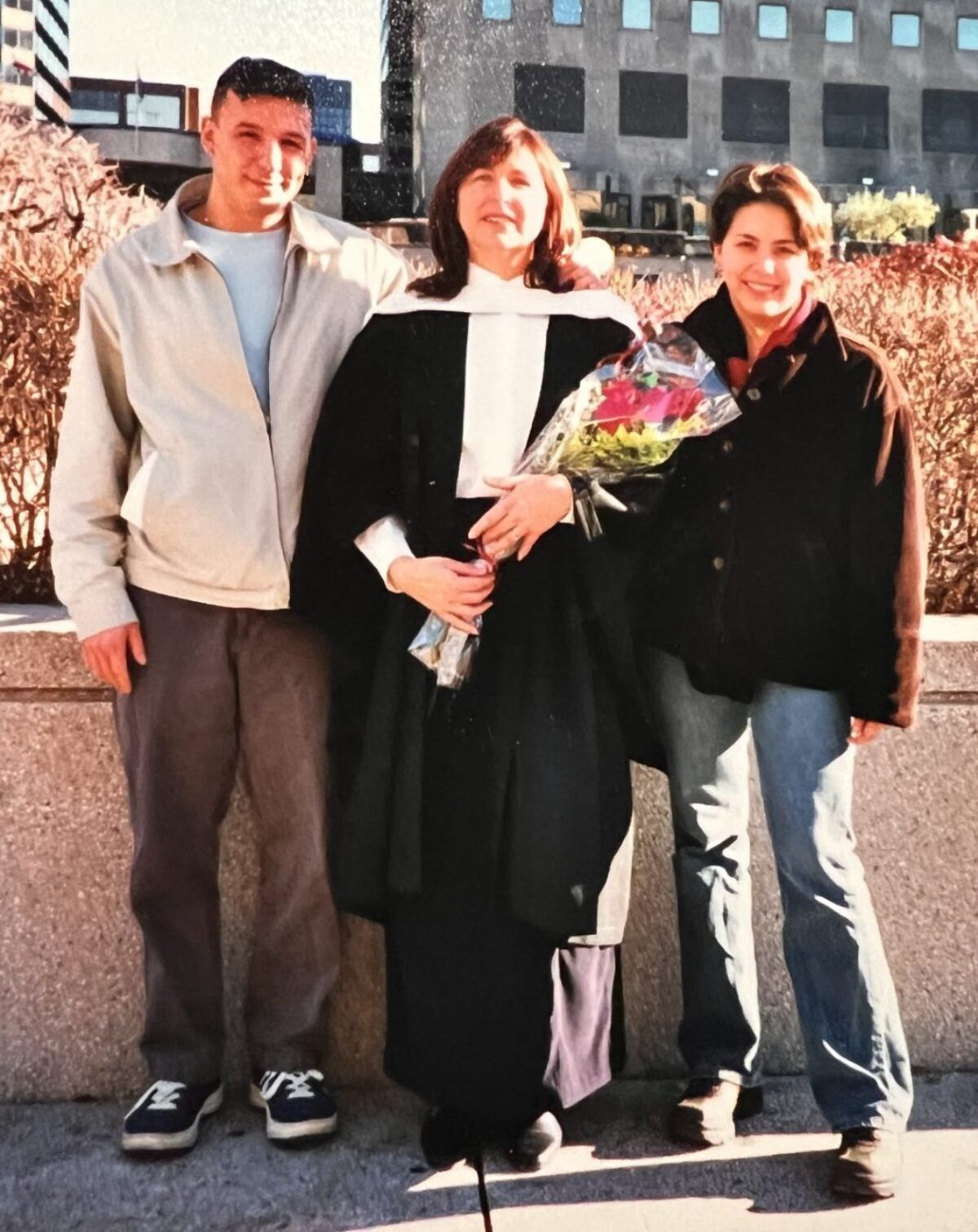
But before that, in 2001, Deer, who at the time already had more than 15 years of experience in the field, graduated from Concordia University’s inaugural graduate program on CED.
“I was driven by a deep desire to deepen my understanding of CED methodologies and theories, which led me to enroll,” said Deer. “It was there that I truly found my calling and a community of like-minded individuals passionate about the field.”
That calling and her connections are what allowed her to come back to Concordia for the 2025 winter semester – only this time, it’s as the teacher of the new Participative Management course of the CED program, which she also assembled the curriculum for.
“Flying the plane and building the plane at the same time is really challenging,” said Deer. “But it’s going very well.”
According to Deer, Participative Management is a leadership style that is a “democratic governance model and process,” as it encourages collaboration between all levels of the organization.

“It is how I conduct my business, consulting work, and build partnerships,” said Deer.
The curriculum includes older research from the 1950s, 60s, and 70s, but it also includes case studies based on real projects Deer or others have worked on in Indigenous communities.
She believes that showing these case studies of Indigenous economic development will help her students, none of which are Indigenous in her current cohort.
She explained that making sure they know the situations in Indigenous communities for economic development are not going to necessarily be the same than in a non-Indigenous one.
“For an Indigenous community, there’s an added level of risk and responsibility. You have to be sure that you’re not giving up the way you live or putting the entire community in jeopardy. It’s a big responsibility, a little more than, let’s say, Chateauguay, for example. If it doesn’t work out, I can always go to Lachine. But in an Indigenous community, that’s not going to be the case,” said Deer.
“Sometimes communities are faced with that economic opportunity, and it could be a source of pain as well. There are challenges to that. It brings community consultation, it brings in scarce resources, and that we’re not all the same into focus.”
It’s something she’s found out for herself while working in the field, too.




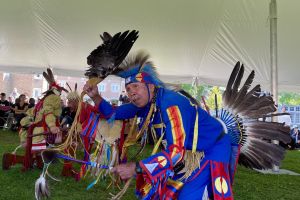
“I had the opportunity to work from coast to coast to coast with Indigenous communities. I myself being a Native person, I thought, when I first got that job, that it’s going to be easy. I’m Native, they’re Native, how hard could it be?” said Deer.
“It was not easy, but I found out how different people operate, the different protocols, different opportunities, and different sectors of development.”
So far, she said her experience and passion for the subject have shone through to her students and made the classroom enjoyable for everyone during the intensive 27-hour course.
“They like my pedagogy, my approach to learning – which is sharing my own stories, case studies, and just bringing a more personal approach,” said Deer. “They don’t want to hear somebody just lecturing at the front of the room, they want to be part of it. That’s what CED is all about.”
Dr. Anna Sheftel, principal of Concordia’s School of Community and Public Affairs, said that having an alumnus as experienced as Deer come back to develop and teach the new CED class.
“It’s a real get for us to have someone with so much experience working in the community sector and doing really important community development work,” said Sheftel.
Sheftel said that the program has undergone a program review to help Indigenize and decolonize it.
Sign up for email updates from The Eastern Door
“Having an Indigenous professor with her level of expertise, it’s just an invaluable contribution to the program,” said Sheftel.
Next year’s class will be given in French, so Deer said she will not be the one to teach it.
“I would be interested again in 2027, having built a program now that will be in my back pocket,” said Deer.