Dangerous driving wears on community
Hadassah Alencar The Pines Reporter
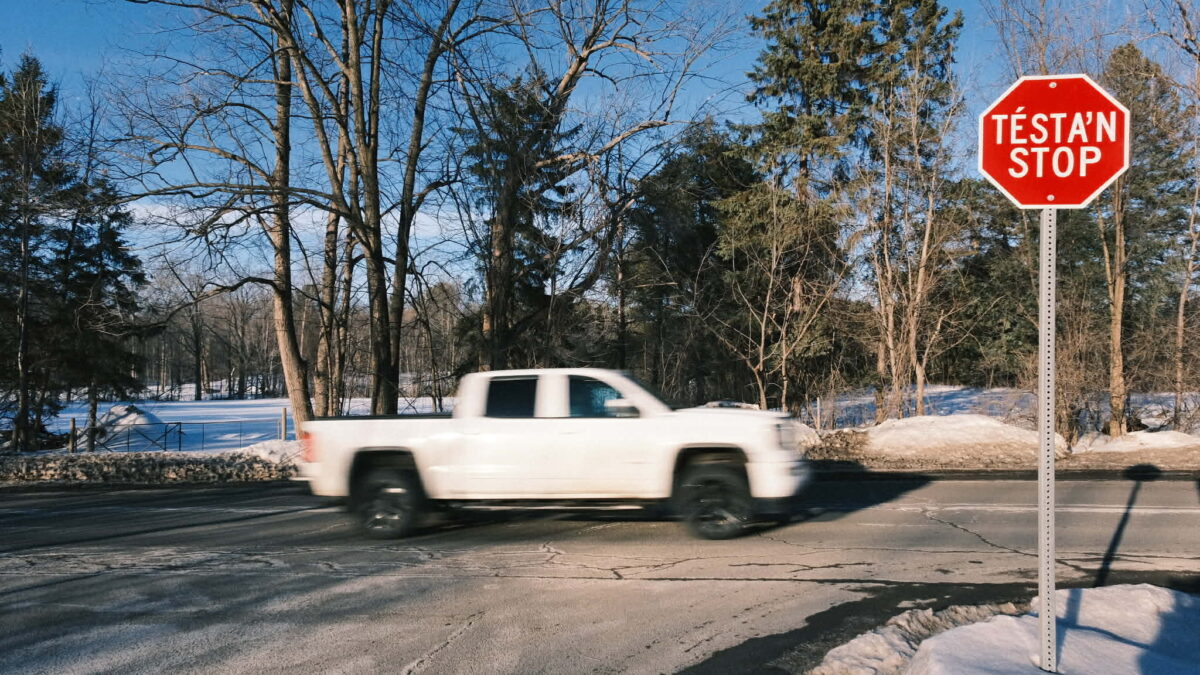
Last week, police intercepted a driver speeding more than 40 km/h over the speed limit in Kanesatake, in an incident that only highlights the ever-present issue of excessive speeding in the community.
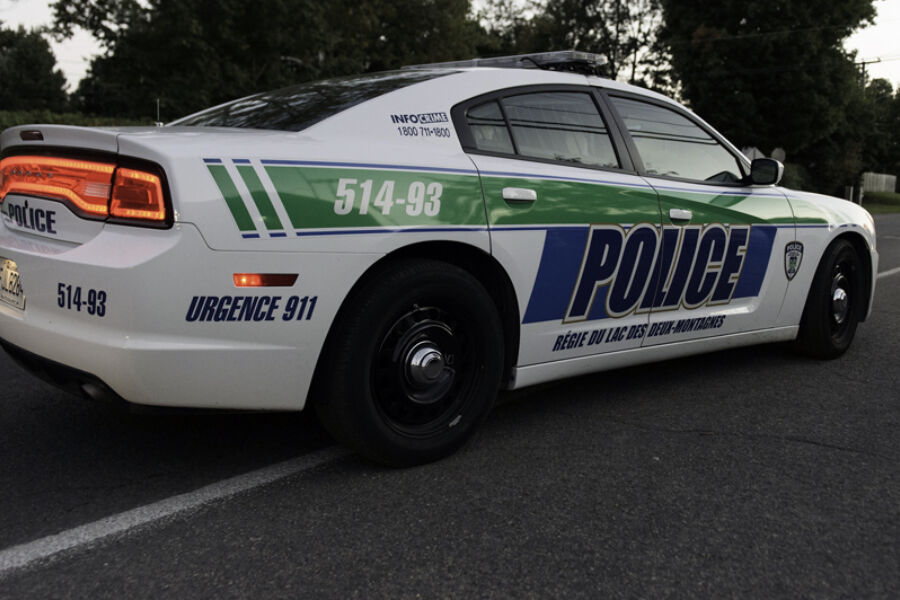
The driver sped at 92 km/h in a 50 km/h school zone on the 344, according to a press release by the Surete du Quebec (SQ). The driver, a 26-year-old man, received a $627 fine, six demerit points, and a seven-day suspension from his driver’s license by the regional county municipality of Two Mountains police officers.
“I think it’s an issue across the community, but mainly on the 344, and the general concern is that people don’t respect the school zone, they don’t slow down,” said Ratihén:te principal Kimberly Simon. “There’s this assumption that they’re not going to get caught or that there’s no laws here, so they don’t have to respect it.”
The issue of speeding affects the school staff and students entering and exiting the parking lot onto the 344 in front of the school, or when students are crossing the road to head to the lake for gym or science class.
“You can look and there’s nobody coming, and then by the time you’re turning out, there’s someone coming flying,” said Simon. “Sometimes we have to wait a while to cross the road, and even then, the teacher is worried that someone’s going to come speeding around the corner and you have a whole class crossing the road.”
The lack of constant law enforcement in the community is one of the reasons behind the prevalence of excessive speeding in Kanesatake, said Simon.

“It’s just unfortunate that people can’t slow down and respect school zones for the safety of children just because there’s no police presence,” said Simon.
Kane Montour, coordinator for the Kanesatake Perimeter Security (KPS) team, agrees that more police presence is necessary to quell the issue. Montour said the KPS has intervened in more than 200 over the last four years. The KPS can stop and warn drivers, but they cannot give tickets as they are not an official police force.
“We do our best to put up preventative measures, and we put up the radar flashers and things like that, and we park our cars at the entrances as a deterrent,” said Montour. “But at the end of the day, it’s just not enough.”
Many who are stopped by the KPS say they did not know there was an authority on the territory, said Montour.
“People are misinformed. They don’t think that we have rules. They don’t think that we have authority here, but we do have authority,” said Montour.
The SQ is more present in the community, said Montour. But it can be difficult for the officers to monitor the roads because they get told by locals to leave, he said.
Nevertheless, their presence has helped cars to lower their speed, said Montour.



The Mohawk Council Kanesatake (MCK) has tried working with the provincial and federal government to lower the speed limit or install more safety measures on certain roads in the community, said caretaker council member Brant Etienne.
However, these requests for changes have been refused multiple times, said Etienne.
“They haven’t been particularly cooperative,” said Etienne.
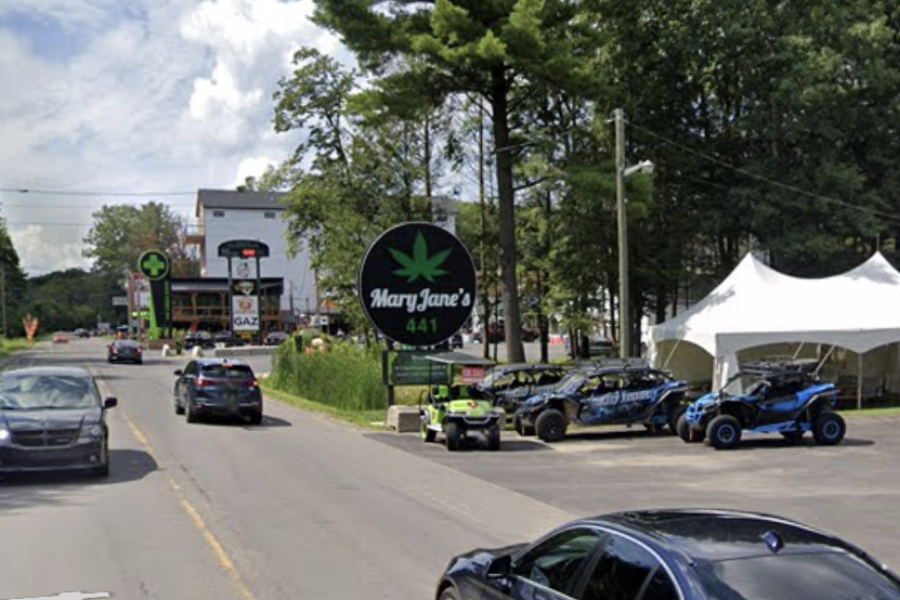
The lack of lower speed limit signs and growing cannabis industry in the community attracting more non-locals has worsened the problem, said Montour.
Etienne said the MCK is discussing whether they should make installations on roads to reduce driving speeds, such as traffic bollards or large planters to narrow the size of the road to make physical changes to the roadway.
Montour said he will continue to work with SQ and encourage a police presence to curb speeding in the community.
Sign up for email updates from The Eastern Door
“People really need to see that there needs to be consequences for your actions,” said Montour.
Quebec’s Ministry of Transport and Sustainable Mobility did not respond to a request for comment in time for publication.
Hadassah Alencar, Local Journalism Initiative Reporter