Creating community in the city
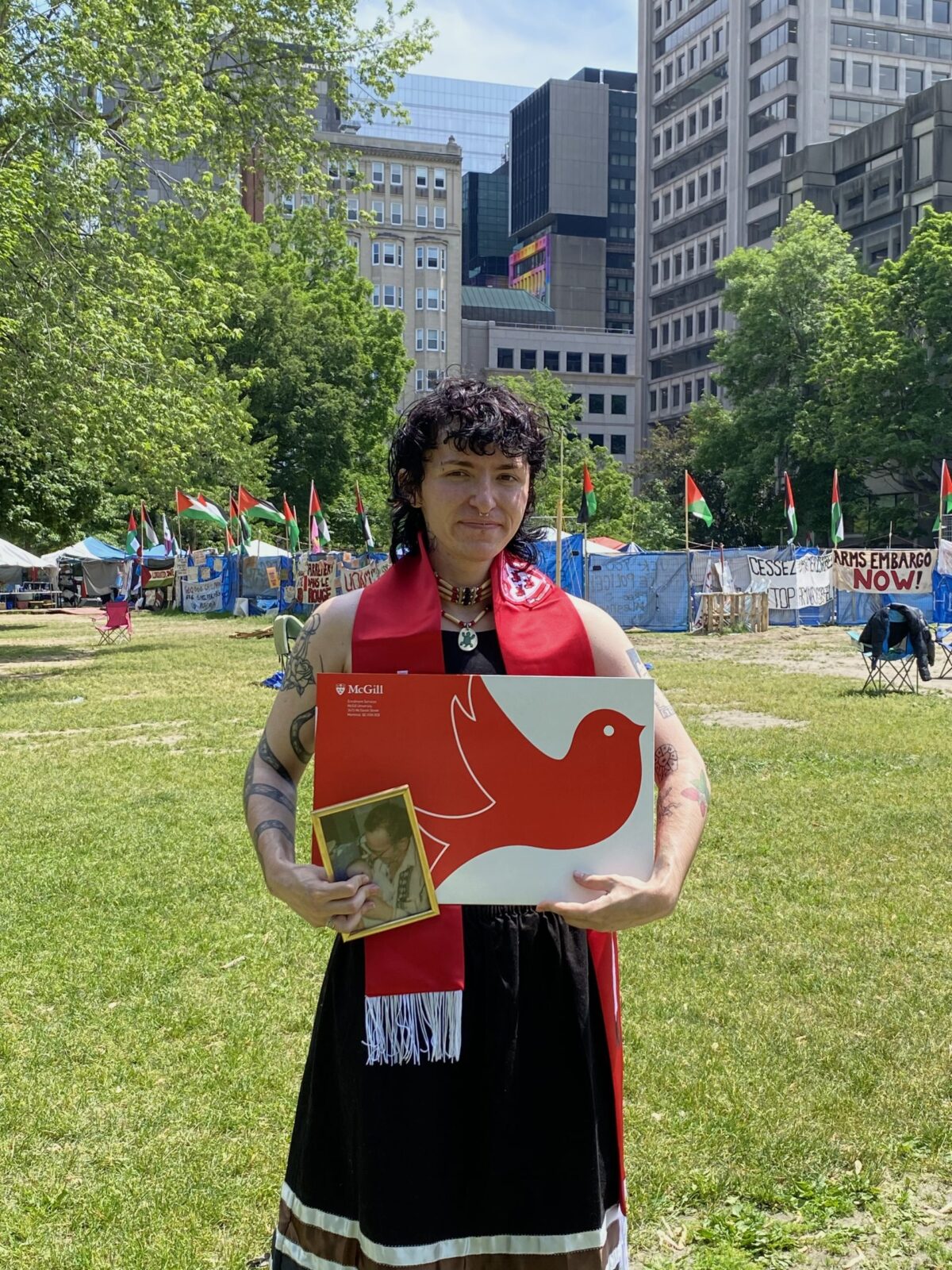
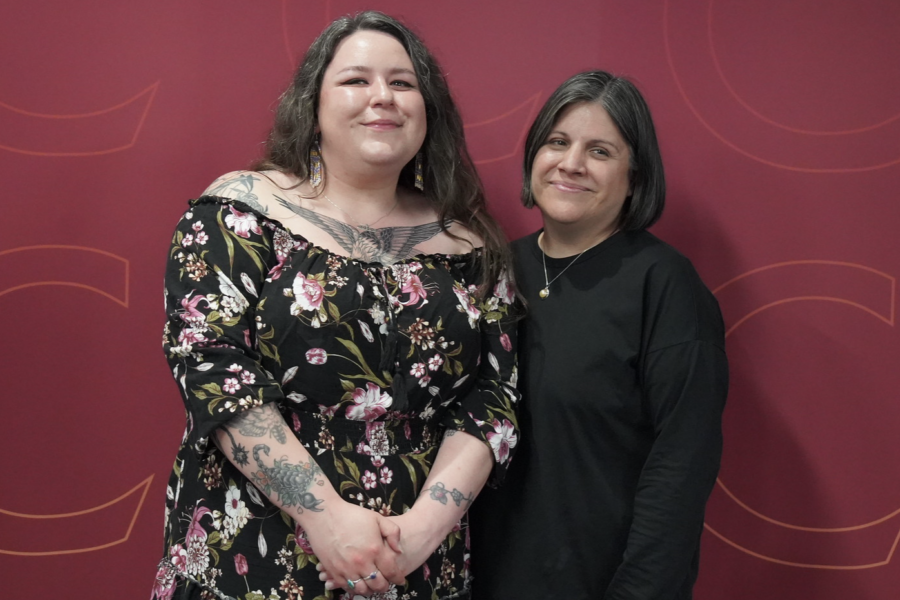
This fall, Karonhianóron Dallas Canady-Binette will be starting their graduate studies in anthropology at McGill University. Canady-Binette, who is from Kanesatake, was excited to take McGill’s 300-level beginner Kanien’kéha course, but they ran into a roadblock: the course is technically classified as an undergraduate course, and as a graduate student, Canady-Binette wouldn’t be permitted to take it.
Canady-Binette is in touch with administrators and is still hoping to find a way to take the class - but the whole affair got them thinking and propelled them to start a new initiative: forming a Kanien’kéha conversation group for Kanien’kehá:ka in the city.
“I’ve done studying on my own, but I know that Kanien’kéha is something that needs to be spoken and needs to be used in conversation. All my reading and talking with my cat can only get me so far, and it’s really good medicine to connect with other people,” they said. “I didn’t see any reason why I couldn’t at least see if other people would be interested in joining me.”
Canady-Binette launched an interest survey on their social media, in the hopes of connecting with others who would want to form an informal Kanien’kéha conversation group. They envision the group meeting regularly and working on their spoken Kanien’kéha in a relaxed setting. They’re calling the project Tsitewahtehraié:nas - “we are regrasping the roots.”
“I definitely want it to be collaborative. I’m not qualified to be a teacher so I don’t want to lecture anyone, but it would feel good if it was a space we created together and we defined what felt good for us collectively,” they said.

“The programs that are available now are amazing, but they’re not always accessible to everyone. Once you’re a person living in the city and you’re not on the reserve anymore, it’s harder.”
Though Canady-Binette said they want the group to help them improve their understanding of the language, they said that if they do end up being the most advanced speaker, they’d be happy to coordinate the sessions, and they’re more than willing to take notes and construct a loose syllabus for the group.
“I’m not a fluent speaker, I’m on a learning journey just as much as most people my age are. But I think if people wait to have access to fluent speakers, it will take a really long time to learn the language,” they said. “I think if especially young people got together and spoke with each other just with the words that we know, that would also be really productive.”
Feeling a disconnection from the community and culture is common for those living in the city. Canady-Binette did take a Native Montreal Kanien’kéha course facilitated by Kahawíhson Horne, but the sessions weren’t renewed for Fall 2024, the organization offering Inuktitut and Cree instead.
Coral Rivas was also a former student of Horne’s during those classes, and she said that having the regular sessions was meaningful to her. Her family is originally from Kahnawake but moved to Grand River, and Rivas was also in the foster care system as a youth, further disconnecting her from her community.

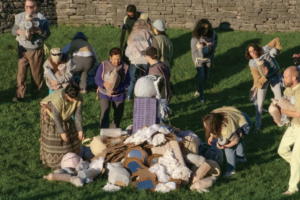
She works with homeless Indigenous people in the city and said her experiences meeting other Onkwehón:we in Montreal was what inspired her to keep pushing to learn the language.
“I felt like, because I don’t live on the rez, who am I to try to learn something?” she said.
“When you live in a city, you feel so disconnected, and you want to try to find ways to feel more included. Learning the language is kind of a way to have that sense of feeling that maybe I am enough.”
Rivas said that more resources, like the conversation group Canady-Binette is proposing, would be of immense help to Indigenous people living in the city.
“It would feel like we’re heard,” she said.
Sign up for email updates from The Eastern Door
“I think to have something in the city made for urban Indigenous people would be really helpful and also healing, because we’d be seen, it’s something made for us. There’s a lot of us here; there’s definitely a need for it.”
Those interested in participating in Canady-Binette’s conversation group can find more information and the interest form at @tsitewahtehraienas on Instagram or by messaging them directly on Facebook.
This article was originally published in print on August 30 in issue 33.35 of The Eastern Door.