Council to fund special needs students
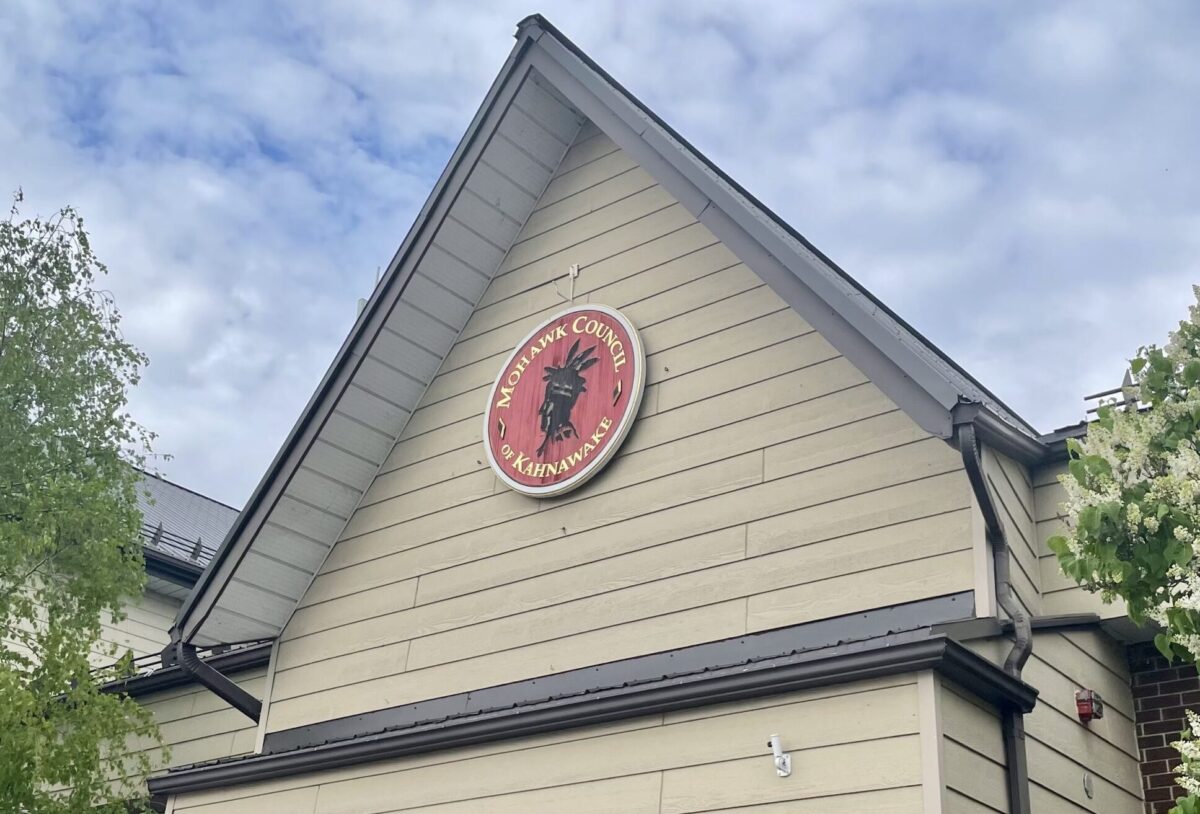
The Mohawk Council of Kahnawake (MCK) will cover private tuition for 25 special needs students after Indigenous Services Canada (ISC) announced earlier this summer that it would no longer provide this funding through Jordan’s Principle.
“We didn’t want them to fall through the cracks,” said MCK chief Jeffrey Diabo, who leads the education portfolio. “That’s why we stepped up and said we’re going to do this.”
The emergency move comes in a joint announcement from the MCK, Kahnawake Education Center (KEC), and Onkwata’karihtatshera, the local organization that coordinates Jordan’s Principle requests.
The MCK will pay nearly $326,000 to cover the portion of these students’ costs not covered by the KEC for the upcoming school year. All the students who will benefit are diagnosed with special learning, developmental, or emotional needs.
“The other thing that’s important to realize is what we’re doing is based on the core principle of Jordan’s Principle anyway, which is do not argue about who’s going to pay for it. Pay for it and then sort it out later,” Diabo said.
Council will seek reimbursement for the cost of the urgent measure and lobby ISC to renew this kind of funding for students who need it.
Jordan’s Principle is named after Jordan River Anderson of Norway House Cree Nation, who died in hospital at the age of five, having never been home, with Manitoba and Ottawa debating for two years which level of government would pay for his at-home care.
The program that now bears his name exists to ensure First Nations children are able to access services without discrimination or delay.

The episode comes as Jordan’s Principle has tightened up across the board over the past several months amid a backlog in processing Jordan’s Principle requests, leading to severe delays and increased roadblocks to access, such as more requests for additional documentation and narrowed eligibility criteria.
Diabo blamed the government’s lack of proper oversight of the program for any abuses that may have occurred and said the program needs to focus on ensuring Indigenous youth who need assistance receive it, such as the special needs students whose tuition will presently be covered by Council.
“We’re just looking forward to getting involved in discussions with the new ISC minister Mandy Gull-Masty and raising this issue to make sure this gets implemented in the proper manner,” he said.
According to Onkwata’karitahtshera in July, Jordan’s Principle covered around $700,000 in private school tuition last year, more than double what MCK will be paying, and Centennial Academy had more than 40 students from Kahnawake, whereas the MCK will be funding 25 students.
That suggests that while the funding will be a lifeline for many families, there may still be families unable to obtain the services they need. The MCK said in a press release that while there were many other students benefitting from Jordan’s Principle funding, there was a need to prioritize those who are the most at risk.
For them and their families, the ability to maintain the supports they rely on is a crucial factor.
“It’s going to make all the difference in the world,” said Iris Phillips, advocacy coordinator for Connecting Horizons, the local group founded to help those in Kahnawake with special needs, upon learning about MCK’s decision to provide funding.
“Coming as a special needs parent, I know that those support systems are extremely important for their early development,” she said.



“It’s imperative to have these supports, whether it’s occupational therapy, whether it’s physiotherapy, whatever it is that they get in the schools. It’s extremely important for them because if they lack even one year of getting these services, it’s a big, huge detriment to their development and how they’re going to progress in life.”
She expressed hope that in the future Jordan’s Principle will resume providing the supports Indigenous children need to thrive.
“I fully applaud the MCK for stepping in and recognizing that there’s a hole in the system, that it has to be filled, and that the children are being considered,” she said, adding that historically parents of special needs children have had to fight for services and supports.
Diabo said actions like this one are what Council is there for.
“For me, personally, anything we can do that provides a direct community benefit, I’m all for it,” he said.
In July, the KEC contacted Gull-Masty to express its concern about a policy suspending funding of private school tuition.
ISC told The Eastern Door at that time that needs like deafness or blindness would continue to be covered under the “substantive equality” requirement, but gave no indication that special needs coverage would be resumed.
In a statement to The Eastern Door this week, ISC gave no indication of immediate plans to change this policy.
Sign up for email updates from The Eastern Door
“We acknowledge the Mohawk Council of Kahnawake’s decision to step in and support families during this transition and remain open to continued dialogue with communities on how best to meet First Nations children’s educational needs,” said ISC spokesperson Jacinthe Goulet.
“Indigenous Services Canada remains committed to ensuring that First Nations children receive equal access to the essential government services they need,” she said.
“While ISC has implemented new requirements for funding requests related to education, including for private schools, Jordan’s Principle continues to provide education-related supports for First Nations children based on assessed needs or if required by substantive equality.”
Marcus Bankuti, Local Journalism Initiative Reporter