Mothers move on without Murray
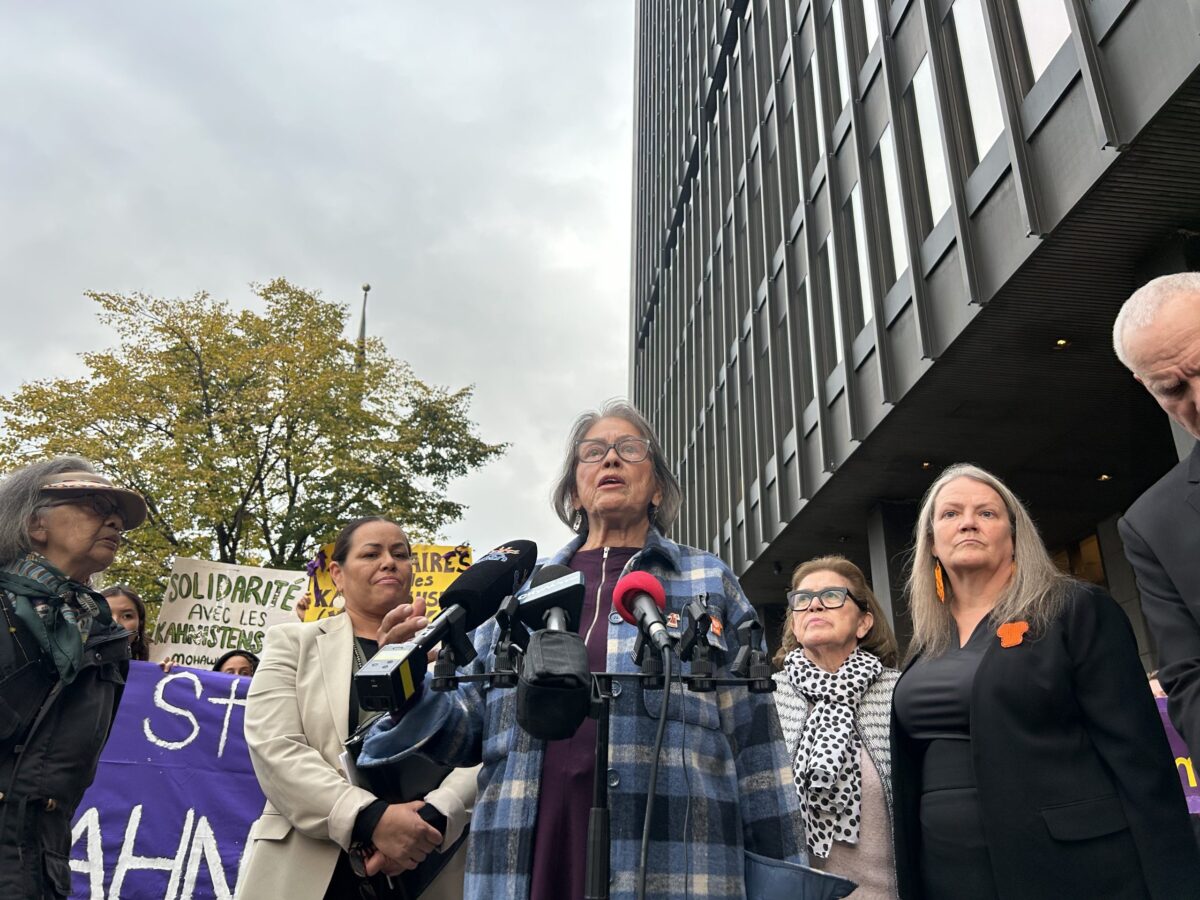
For more than two years, Kimberly Murray has served as a special intervenor in the Mohawk Mothers’ fight against McGill University and the Societe quebecoise des infrastructures (SQI) in her capacity as the special interlocutor for missing children and unmarked graves.
Now, her mandate as special interlocutor is coming to an end, meaning that the Mohawk Mothers, also known as the Kanien'kehá:ka Kahnistensera, will continue their legal battle without her and her legal team.
“It’s going to be very different,” said Kahentinetha, one of the Mothers. “But we’re going to continue with what we’re doing. I think we have no choice. We want to find our children and we want to know who should be accountable.”
The Mohawk Mothers have been fighting for the lands at the site of the former Royal Victoria Hospital to be searched thoroughly for unmarked graves since 2015, when they submitted a letter to the university demanding that they halt the New Vic project, which would see the area turned into a new research and teaching facility.
The Mohawk Mothers brought the action to the Superior Court of Quebec in 2022, where they were allowed to legally represent themselves, wishing not to employ their own lawyers to navigate the colonial court system.
It was in 2022 when the Office of the Independent Special Interlocutor for Missing Children and Unmarked Graves and Burial Sites Associated with Indian Residential Schools joined the fight. Murray was granted special intervenor status and was represented in court by lawyer Julian Falconer.

Later that year, the Mothers were granted a temporary injunction halting all excavation work at the site until an archaeological plan was developed. A historic settlement agreement was signed in the spring of 2023, but the case has continued to drag through the courts, with the SQI and McGill successfully appealing a decision by the Superior Court judge to reinstate a panel of archaeological experts overseeing the case.
Most recently, the Mothers took their fight to Ottawa, filing a motion with the Supreme Court of Canada for an independent investigation into possible unmarked graves at the site.
Falconer said that appearing in court with the Mothers as Murray’s lawyer has been “an absolute honour and a privilege,” but that he has faith that the Mothers will be able to proceed despite the loss of Murray’s office.
“I can’t speak enough of how impressed I am by them. They put lawyers to shame,” he said. “They are extremely effective advocates, they are caretakers of their people, and they’re fierce advocates for their nation.
“I think that the Mohawk Mothers have a lot on their plate, but they’re up to it.”
Murray said that she put forward written submissions to the Supreme Court in support of the Mothers’ current motion for leave to appeal there, arguing that the matter is of national importance and should be heard at that level. Should it be accepted, Murray will not be able to participate as an intervenor, with her mandate coming to an official end on December 12.


“I definitely would be there in the audience,” she said, adding that she plans to continue researching Indigenous legal issues as a professor at the Queen’s University law faculty. “I’ll definitely be there as an academic to help them in any way that I can, but the office of the special interlocutor will no longer exist.”
Falconer has been with the Mothers in their court appearances since Murray’s office joined the case. He said that it’s difficult for individuals without legal training to navigate the colonial court system, though he believes the Mothers can do it.
“The system is built to support denialism. The system is not built to recognize and accommodate the new challenges presented by imperatives of reconciliation and the questions surrounding the missing children,” he said. “The system isn’t set up, nor are the rules set up, to support those sacred exercises.”
Kahentinetha said that the Mothers would stay firm on their decision to navigate the system without legal representation.
“We’ll have to go back to how we started, with just us, doing it according to the Kaianere’kó:wa (Great Law of Peace),” she said. “I think the judges know that, and we know the Great Peace very well.”
Despite challenges, Kahentinetha said the Mothers are ready to take on what comes their way.
Sign up for email updates from The Eastern Door
“We’re not backing off, we can’t, because we have a duty here, and you can’t stop because there’s a roadblock here and a roadblock there,” she said. “We don’t know what’s going to happen, but we’re going to keep on going.”
The next update from the Mothers will likely come when the Supreme Court of Canada makes a decision on whether to hear their appeal for an independent investigation.